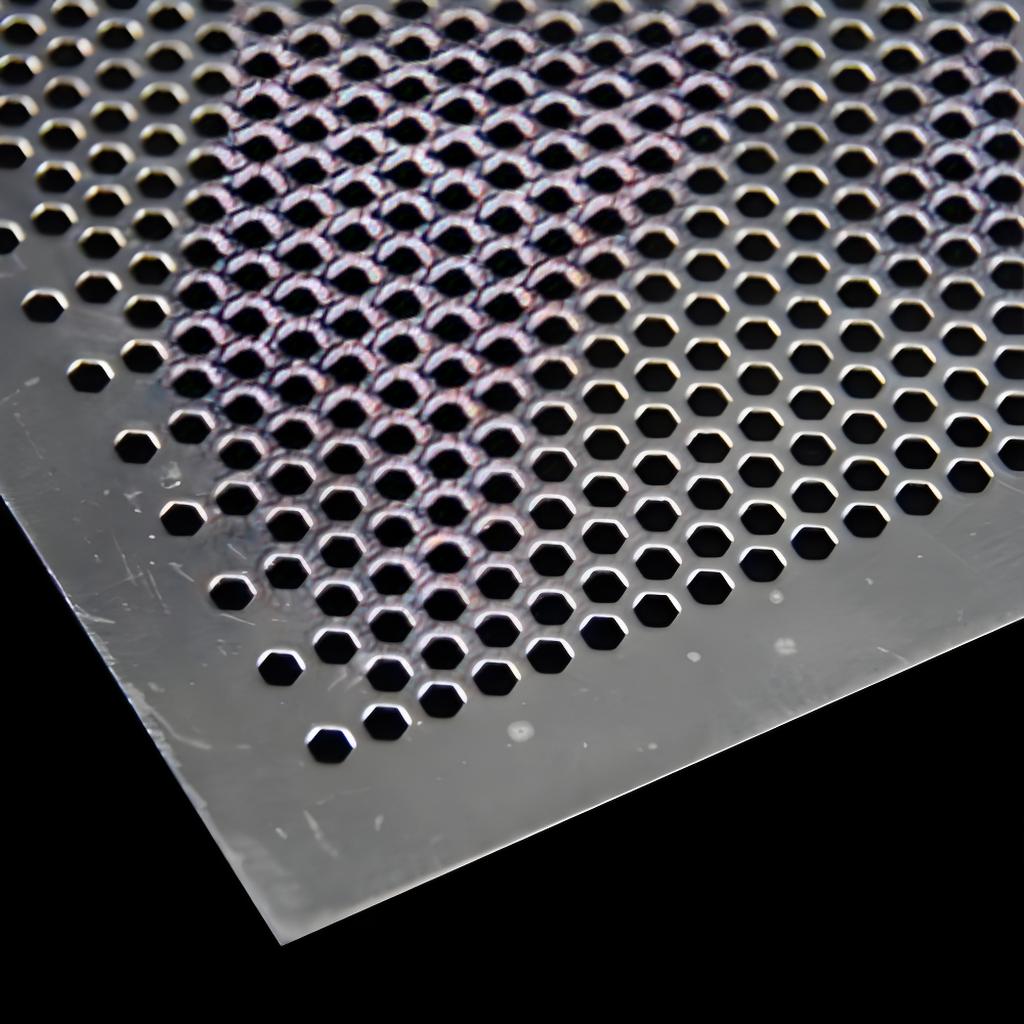
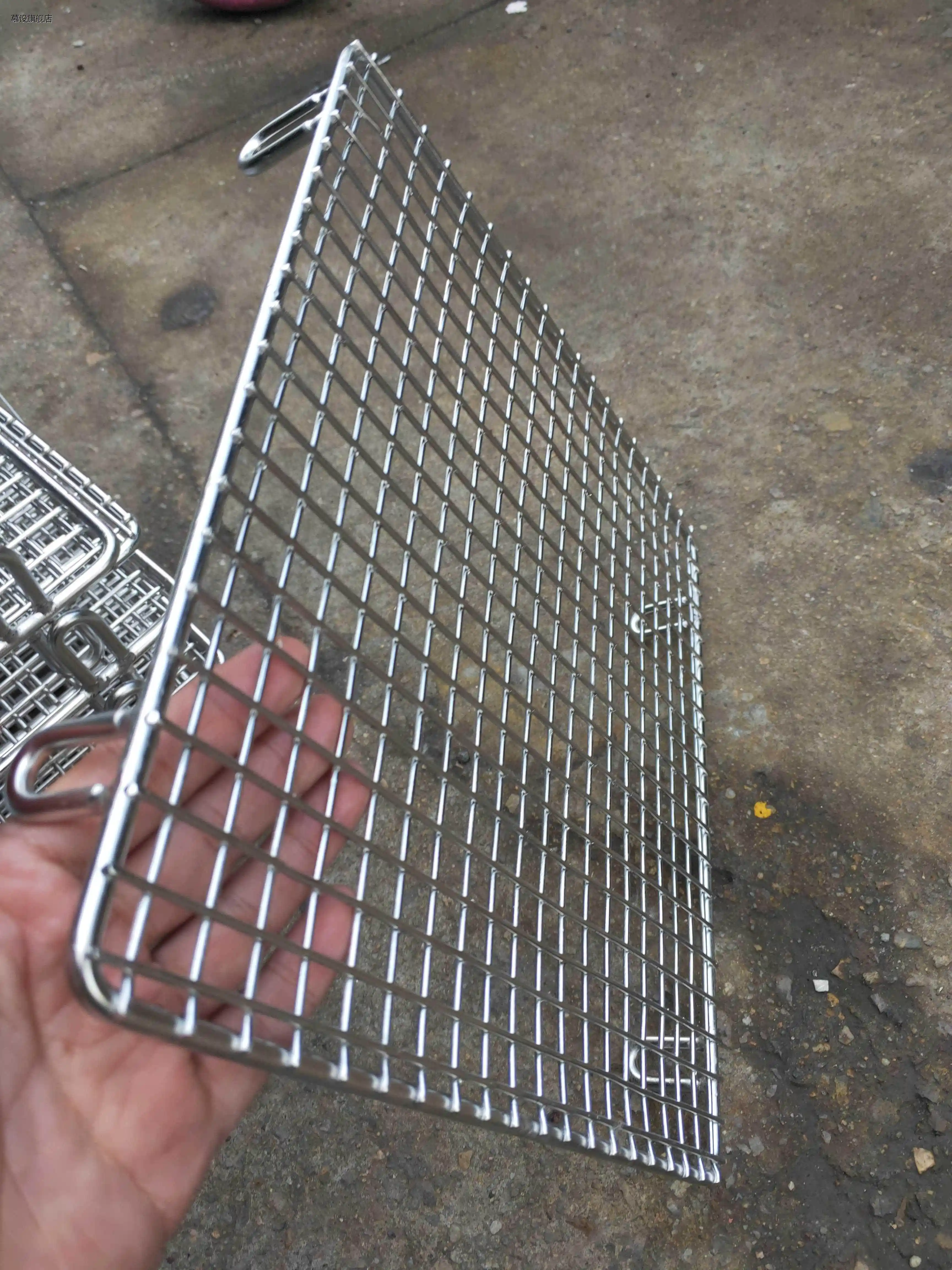


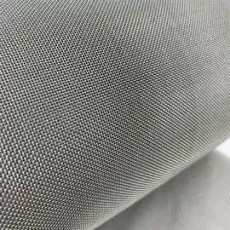

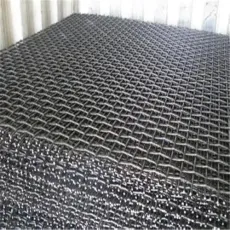
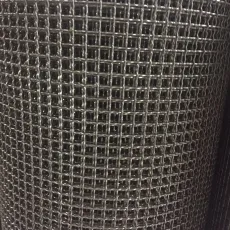
Adopting cold-drawn 304 stainless steel wires with a strict ±0.005mm wire diameter tolerance, this sieve mesh ensures consistent mesh opening sizes for 99.5% precise screening, solving issues of raw material waste and quality fluctuations caused by low-accuracy traditional screens. The electrolytic polishing treatment creates a dense oxide protective layer, enhancing corrosion resistance against acidic and alkaline food components and extending service life by over 50% compared to standard models. Galvanized edge wrapping reinforces structural strength, preventing edge tearing during vibrating screening and fitting most industrial vibrating screening equipment. Its dual FDA and LFGB certifications allow direct application in food processing without additional testing, reducing enterprise compliance costs significantly.
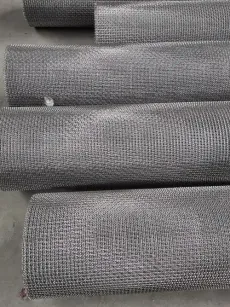
Wire Diameter: 0.08mm (±0.005mm tolerance); Mesh Opening Size: 0.12mm (square mesh, ±0.003mm hole pitch tolerance); Effective Screening Area: Customizable 1-50 Square Meters; Max Tolerable Temperature: 180℃; Acid-Alkali Resistance: Withstands pH 4-10 food raw materials; Surface Roughness: Ra ≤0.8μm; Edge Wrapping Thickness: 1.2mm Galvanized Steel Plate; Maximum Single Sheet Size: 2m×3m; Weight: 1.2kg per Square Meter; Connection Method: Hook/Card Slot Type, compatible with mainstream vibrating screen systems.
This sieve mesh is ideal for raw material classification in food processing plants, fine screening of baking ingredients, impurity removal from infant milk powder, and particle size grading of edible starch. Target industries include baked goods processing, dairy production, grain and oil processing, and leisure food manufacturing. Typical scenarios: As a core component in large flour mills’ first-stage screening, it removes bran debris and foreign objects from wheat flour; in milk powder production workshops, it conducts final quality checks to ensure uniform particle size and zero impurities; in sugar refineries, it classifies sugar particles of different sizes to meet diverse food production requirements.










 Post RFQ


 Chat
Chat


 ALL CATEGORIES