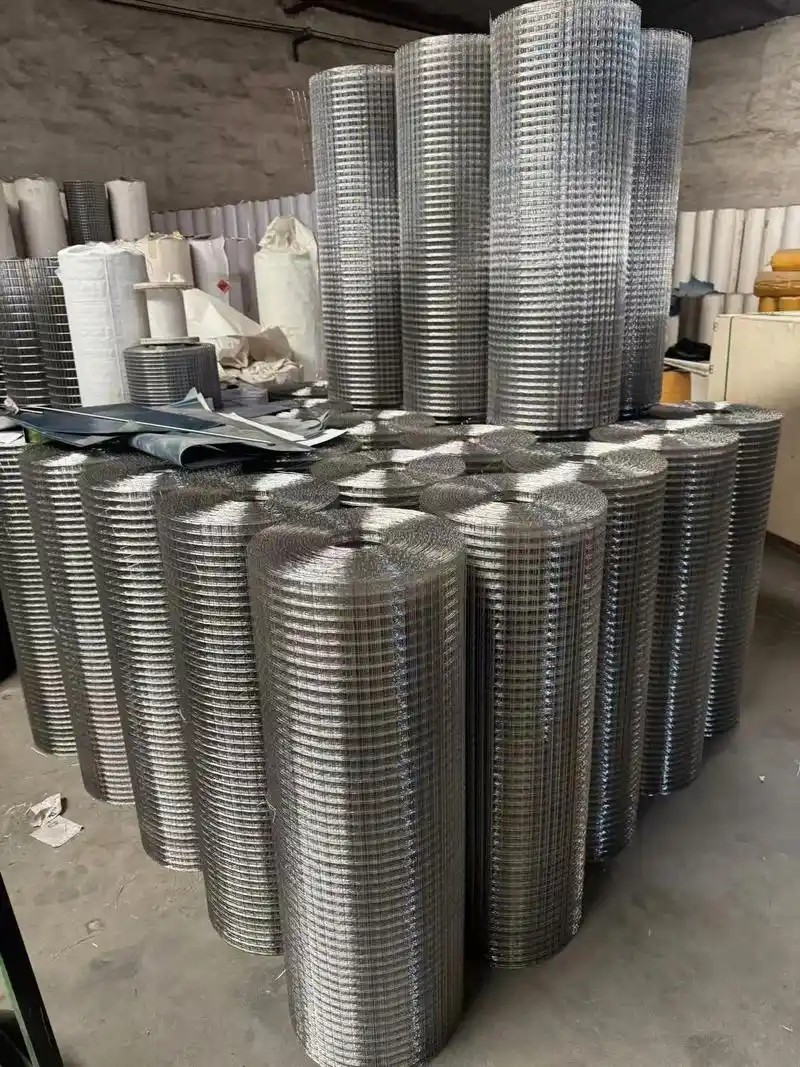


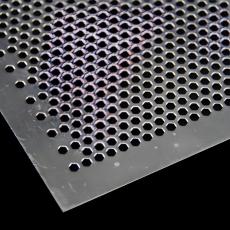
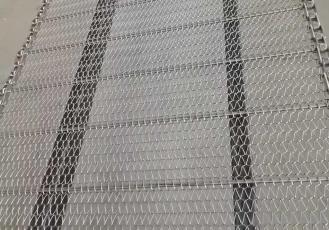
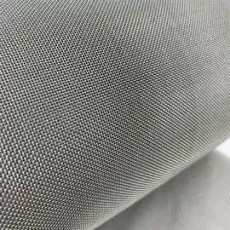
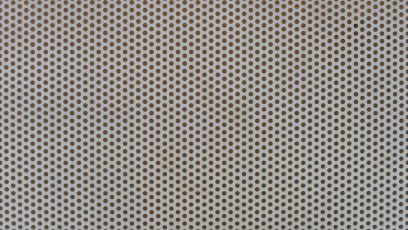
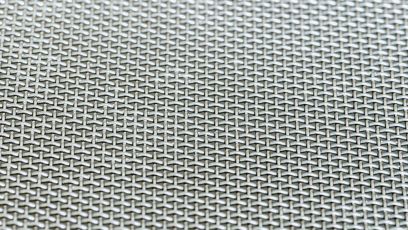
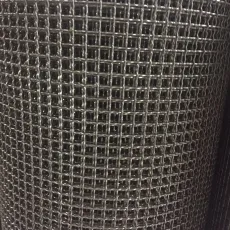
The main advantages of this sand control sieve mesh are its excellent corrosion resistance and practical construction performance. First, the 304 stainless steel material has good resistance to atmospheric corrosion, which can be used outdoors for more than 10 years without rusting, significantly reducing replacement costs compared to ordinary carbon steel mesh. Second, the plastic spraying treatment on the surface forms a protective layer, further enhancing corrosion resistance and wear resistance, and preventing direct contact between stainless steel and concrete raw materials, avoiding chemical reactions. Third, the plain weave structure has high tensile strength, not easily torn under the pressure of soil and gravel, and the 2mm aperture can effectively prevent fine sand loss, ensuring the stability of foundation engineering. Additionally, it is lightweight and easy to cut and install, which can be quickly laid on slopes, foundation pits, or concrete mixing sites. It also supports custom sizes to fit different construction site requirements, perfectly solving the problem of sand control mesh not adapting to complex construction environments.
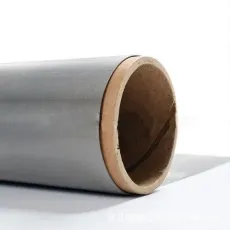
Regarding technical parameters, this sieve mesh has a wire diameter of 0.6mm with a tolerance of ±0.01mm, ensuring sufficient strength to resist soil pressure. The aperture size is 2mm with a tolerance of ±0.05mm, accurately controlling the size of sand and gravel particles. The standard specification is 1.5m in width and 25m in length, and custom widths from 0.8m to 2.5m and lengths from 10m to 40m are available. The weight per 10m roll is approximately 3.2kg, making it easy to transport and install. Its tensile strength reaches ≥480MPa, and yield strength is ≥205MPa, which can withstand soil pressure up to 20kPa without deformation. The surface plastic spraying thickness is 0.1mm, effectively isolating the mesh from external corrosive substances. It can withstand temperature changes from -30℃ to 300℃, suitable for use in cold northern regions and high-temperature southern construction sites. The edge of the mesh is cut smoothly, without burrs, preventing injury to construction workers during installation.
This construction grade sand control sieve mesh is widely used in various civil engineering and construction scenarios. In foundation engineering, it is laid at the bottom of foundation pits to prevent fine sand loss and maintain the stability of foundation soil. In slope protection projects, it is fixed on slopes to prevent soil erosion caused by rainwater and ensure slope safety. In concrete mixing, it is used for screening sand and gravel aggregates to remove oversized particles and ensure uniform concrete quality. It also applies to road construction for subgrade sand control and landscaping for soil stabilization in flower beds and green belts. Typical use scenarios include high-rise building foundation construction, highway slope protection, riverbank reinforcement, and concrete prefabrication factories. The target customers are construction engineering companies, road construction teams, landscaping enterprises, and prefabricated component factories, providing reliable sand control and aggregate screening solutions for construction projects.







 Post RFQ


 Chat
Chat


 ALL CATEGORIES