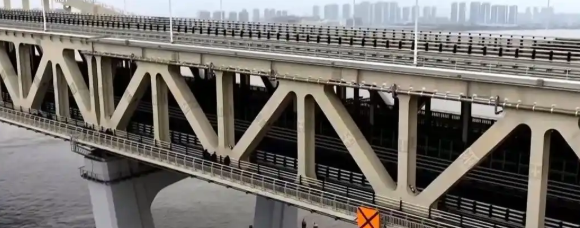
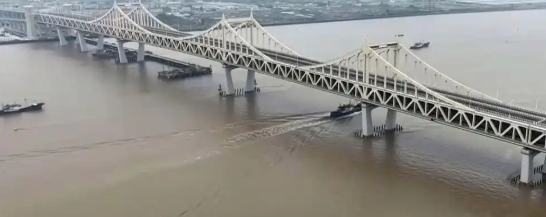


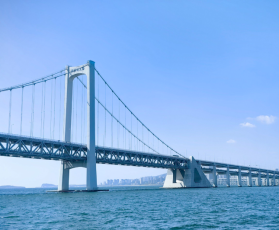
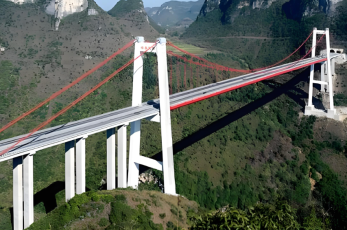
As an integrated transportation infrastructure, this dual-use suspension bridge has several core competitive advantages. The steel-concrete composite pylons combine the high strength of steel and the low cost of concrete, reducing overall construction cost by 15% compared to all-steel pylons while providing sufficient load-bearing capacity for the dual-deck structure. The main cable uses high-strength galvanized steel strand with a breaking strength of 1960 MPa, supporting the heavy load of both highway and railway traffic without excessive structural deformation. The dual-deck design maximizes space utilization, eliminating the need for separate highway and railway bridges, reducing land occupation by 40% and construction investment by 25%. It is equipped with a dual-system intelligent monitoring system, which separately monitors the highway deck’s traffic load and the railway deck’s vibration, realizing targeted predictive maintenance. Additionally, its anti-corrosion coating and drainage system ensure long-term durability in coastal or humid environments.
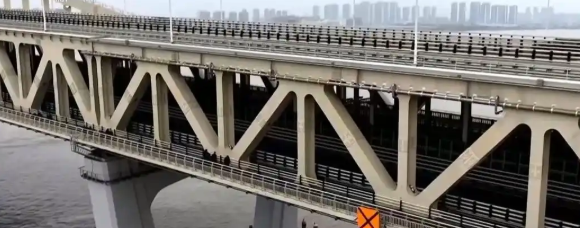
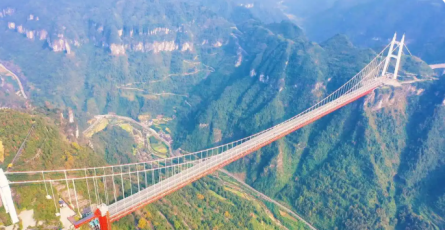
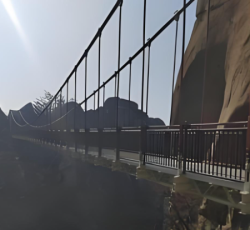
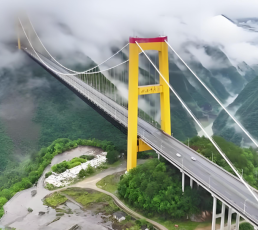
The heavy-duty highway-railway dual-use suspension bridge has a total length of 810 meters, including a 450-meter main span and two 180-meter side spans. The upper highway deck is 16 meters wide, accommodating 4 motor vehicle lanes (3.5 meters each) plus 0.5-meter-wide guardrails on both sides, with a design live load of 7.5 kN/m². The lower railway deck is 12 meters wide, supporting double-track railway traffic with a 25-ton axle load. The main cable has a diameter of 480mm, composed of 9,600 high-strength galvanized steel strands with a breaking strength of 1960 MPa. The steel-concrete composite pylons stand 105 meters tall, with a concrete base and steel superstructure, anchored to a 20-meter-deep pile foundation. The bridge meets wind resistance standards of 13-level typhoons and seismic resistance standards of magnitude 7.5, with a designed service life of 120 years. The navigational clearance under the main span is 35 meters, accommodating 5,000-ton cargo ships.
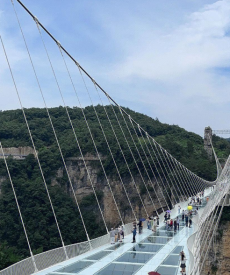
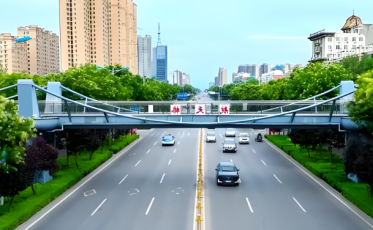
This dual-use suspension bridge is designed for integrated transportation projects, including river-crossing integrated transportation hubs, coastal port area transportation links, and mountainous intercity integrated traffic corridors. Typical application scenarios include cross-river integrated transportation bridges connecting industrial zones and railway stations, coastal port links connecting port areas and inland freight networks, and mountainous integrated transportation projects. It can support daily traffic of 30,000 motor vehicles and 50 railway trains, including heavy freight trucks with a maximum load of 40 tons and freight trains with a maximum load of 10,000 tons, meeting the needs of integrated passenger and freight transportation. Its space-saving design also makes it suitable for urban areas with limited land resources, reducing the impact on urban land use. Additionally, its durable materials and low maintenance design ensure long-term stable operation, providing reliable support for regional economic development.








 Post RFQ


 Chat
Chat


 ALL CATEGORIES