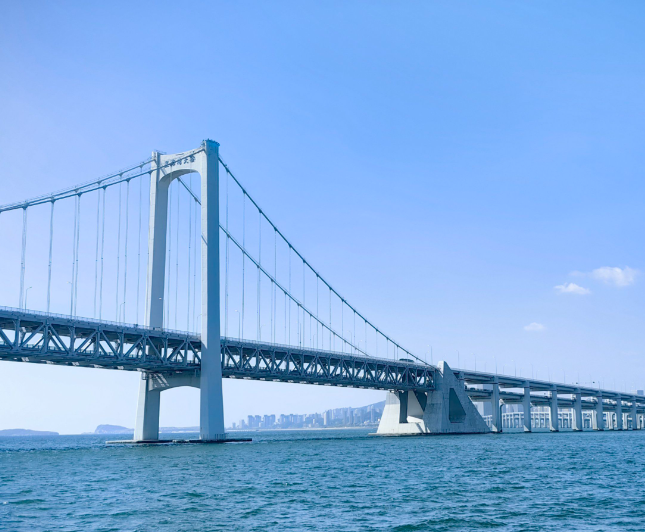
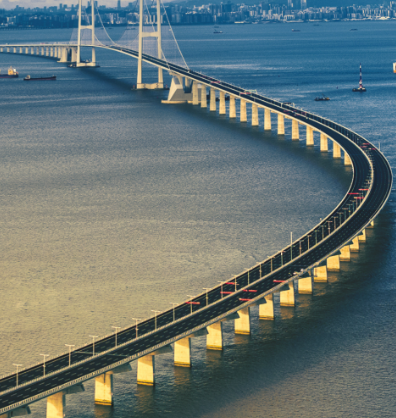




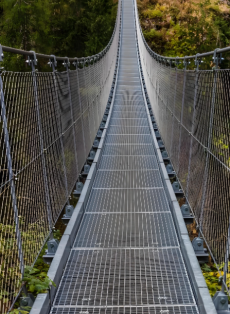
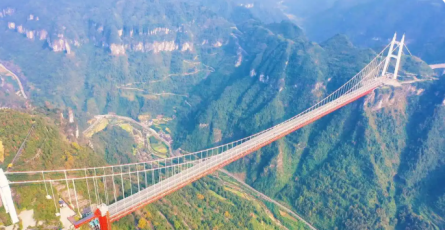
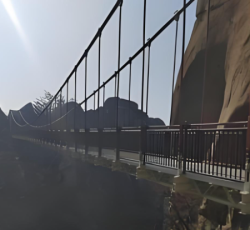
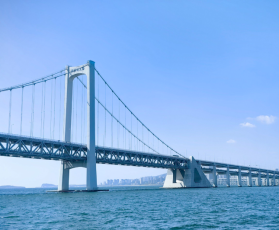
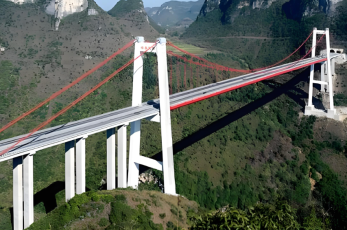
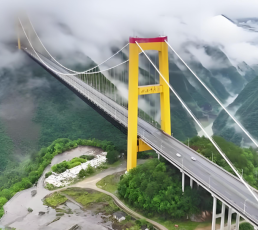
This cross-sea suspension bridge incorporates cutting-edge engineering features to meet the demands of coastal environments. The high-carbon galvanized steel wire ropes used for main cables offer exceptional tensile strength and corrosion resistance, with a 50-year service life without major replacement, reducing long-term maintenance costs by 35% compared to standard steel cables. The weathering steel towers form a protective rust layer that prevents further corrosion, eliminating the need for regular painting and lowering maintenance efforts by 60%. Unlike conventional cross-sea bridges, it uses aero-shaped steel box girders that reduce wind resistance by 40%, ensuring stability even during category 4 hurricanes with winds up to 250 km/h. The real-time structural health monitoring system includes 200+ sensors that measure cable tension, tower deformation, and deck vibration, transmitting data to a central control room for immediate analysis. This proactive monitoring system can detect potential structural issues 3-5 years before they become critical, minimizing the risk of unexpected closures and ensuring continuous safe operation. Additionally, the bridge incorporates anti-collision systems around the piers, designed to absorb the impact of large vessels up to 100,000 DWT, protecting the structure from accidental collisions.
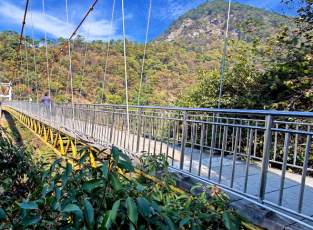
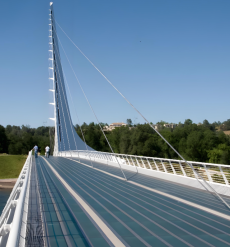
Key technical specifications include a main span of 1200 meters, with a total bridge length of 3800 meters including approach viaducts. The 32-meter-wide deck features 6 traffic lanes for heavy vehicles, plus 2 dedicated pedestrian and bicycle paths separated by safety barriers. The main cables have a diameter of 0.85 meters, composed of 10,000+ high-carbon galvanized steel wires each with a diameter of 5.3 mm. The weathering steel towers stand 210 meters tall, with foundations embedded 80 meters deep into the seabed to ensure stability in soft coastal sediments. The navigation clearance of 65 meters allows Panamax-class cargo vessels with a draft of 12 meters to pass underneath. The bridge’s load capacity of 10.0 kN/m² supports heavy trucks up to 40 tonnes, meeting international highway bridge standards. The seismic isolation system uses lead-rubber bearings that absorb 70% of seismic energy, protecting the structure during earthquakes up to magnitude 7.5. The real-time monitoring system operates 24/7, with data accessible via a cloud-based platform for remote analysis. All steel components are coated with a marine-grade anti-corrosion paint, and the deck uses a high-durability asphalt mixture that resists saltwater damage and heavy traffic wear.
This long-span cross-sea suspension bridge is a transformative infrastructure solution for coastal regions and island nations. It is ideal for connecting mainland cities to offshore islands, reducing travel time from hours to minutes and enabling seamless movement of people and goods. In port cities, it serves as a critical link between inland industrial zones and port facilities, allowing heavy cargo trucks to transport goods directly to ships without detours, reducing logistics costs by up to 25%. For tourism-dependent coastal regions, it provides a scenic driving route that attracts visitors, boosting the local tourism economy. It also supports military operations by enabling rapid deployment of personnel and equipment across coastal areas. This bridge is suitable for regions prone to typhoons and earthquakes, such as Southeast Asia, the Mediterranean, and the Pacific Northwest. Governments, port authorities, and regional development agencies are the primary target customers, with applications focused on enhancing regional connectivity, supporting maritime trade, and promoting economic growth in coastal and island areas.











 Post RFQ


 Chat
Chat


 ALL CATEGORIES