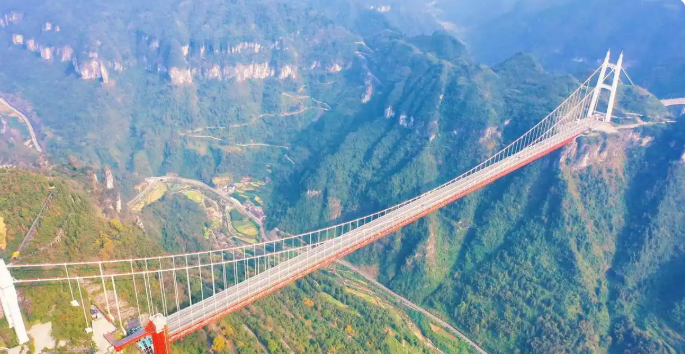
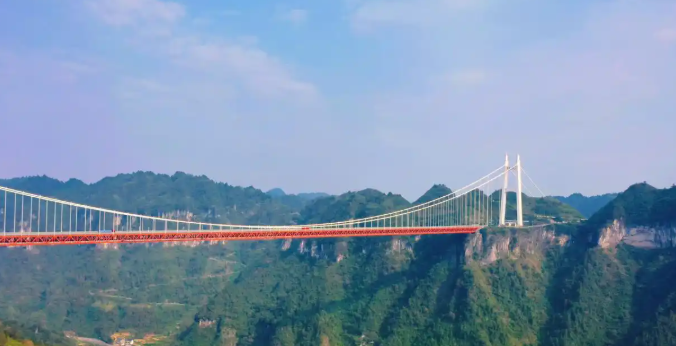




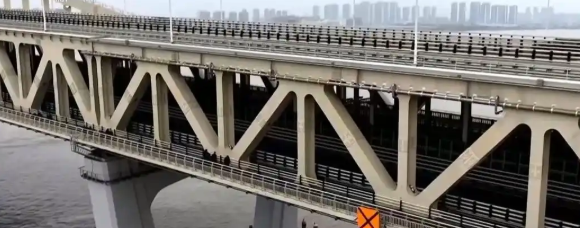
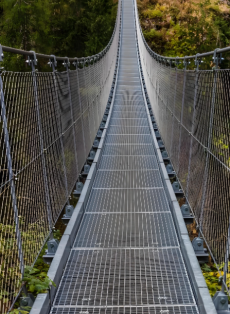
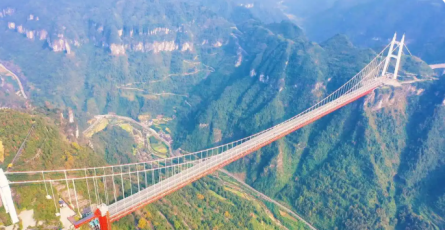
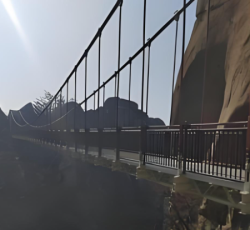
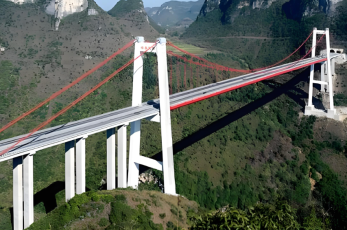
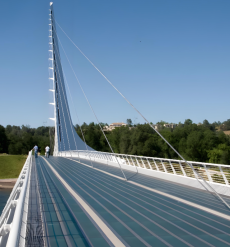
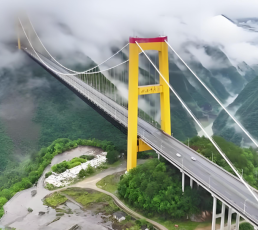
This mountain canyon suspension bridge is optimized for harsh alpine environments, with several unique advantages. Its single-pylon double-span structure eliminates the need for intermediate piers in deep canyons, reducing construction difficulty and environmental damage to the mountain ecosystem by 40% compared to multi-pier bridges. The main cable uses high-strength galvanized steel wire with excellent fatigue resistance, able to withstand frequent wind-induced vibrations in mountain canyons. The rock-anchored deep foundation penetrates 15 meters into solid bedrock, providing exceptional stability even in areas with potential landslide risks. The deck is equipped with rockfall protection nets and anti-skid paving, which can resist rock impacts and ensure safe passage in snowy or icy conditions. Additionally, the weather-resistant steel pylons require only one anti-corrosion maintenance every 10 years, reducing maintenance costs in remote mountain areas.
The mountain canyon suspension bridge has a total length of 320 meters, consisting of a 220-meter main span and a 100-meter side span. The deck width is 12 meters, including a 8-meter-wide 2-lane motor vehicle area, two 1.5-meter-wide pedestrian sidewalks, and 0.5-meter-wide rockfall protection barriers on both sides. The main cable has a diameter of 320mm, composed of 6,400 high-strength galvanized steel wires with a breaking strength of 1860 MPa. The weather-resistant steel pylon stands 65 meters tall, with a cross-section of 5m×5m at the base and 2.5m×2.5m at the top, anchored to a 15-meter-deep rock foundation. The deck uses 12mm-thick steel plates with 8cm-thick anti-skid asphalt paving, with a total dead load of 14 kN/m². It meets wind resistance standards of 11-level strong winds and seismic resistance standards of magnitude 7.5, with a designed service life of 90 years. Rockfall protection nets with a tensile strength of 50 kN are installed along both sides of the deck.
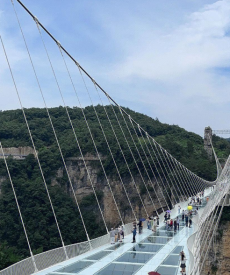
This suspension bridge is specifically designed for mountainous terrain applications, including canyon crossings in alpine regions, connections between remote mountain villages and urban areas, and tourism scenic spot access roads. Typical application scenarios include cross-canyon expressways in western mountainous areas, mountain village poverty alleviation traffic projects, and scenic spot access bridges with panoramic views. It can support daily traffic of 15,000 motor vehicles, including light freight trucks with a maximum load of 20 tons, meeting the needs of mountainous area commuting and agricultural product transportation. Its minimal environmental impact design makes it suitable for ecological protection zones, as it avoids destroying large areas of mountain vegetation. Additionally, its rockfall protection system ensures safe passage in areas with frequent rockfall risks, providing reliable traffic support for mountain residents and tourists.









 Post RFQ


 Chat
Chat


 ALL CATEGORIES