Basic Info
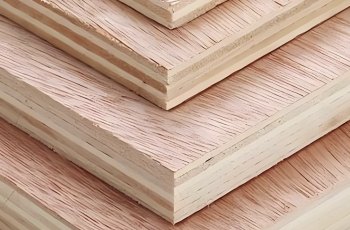
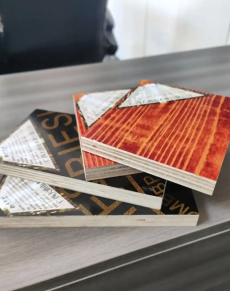
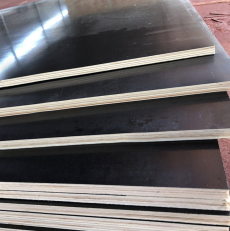
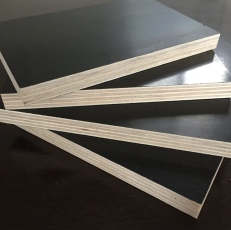
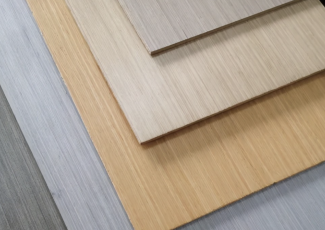
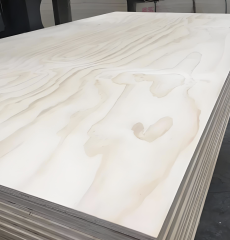
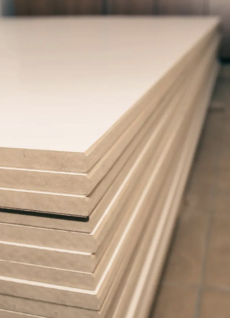
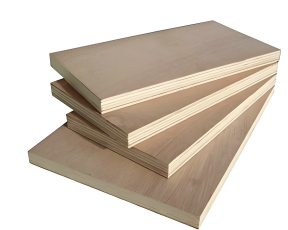
This heat-resistant industrial plywood is specially designed for high-temperature industrial scenarios such as industrial oven liners and high-temperature processing equipment, addressing the pain points of ordinary plywood being prone to deformation and delamination under high temperature. It adopts high-temperature phenolic resin adhesive, which can withstand a maximum working temperature of 200℃, while meeting Class A fire resistance standards, ensuring stable performance in high-temperature and fire-prone environments. With high structural strength and low thermal expansion coefficient, it is an ideal material for high-temperature industrial equipment manufacturing.
Customer reviews

Michael · Construction Project Manager
As a project manager overseeing high-temperature environments, the heat-resistant industrial plywood has been a game-changer. We used it for furnace enclosures, and it maintains structural integrity even at 150°C. The reduced warping compared to standard plywood has saved us significant replacement costs. Installation was straightforward with standard woodworking tools.
Robert · Foundry Operations Supervisor
After testing three brands of heat-resistant plywood for our pattern shop, this product demonstrated superior performance near our sand-casting operations. The edges don't crumble when drilled, and it holds fasteners securely despite thermal expansion cycles. Reduced smoke emission during accidental contact with hot metals is an important safety benefit we didn't anticipate.
Product Description
Product features:
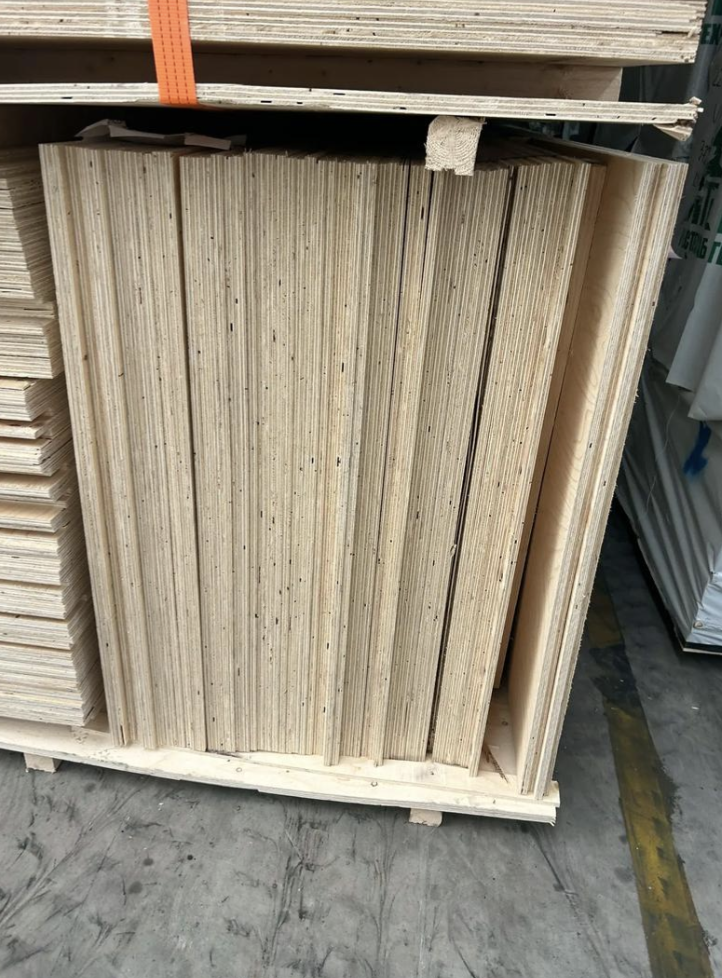
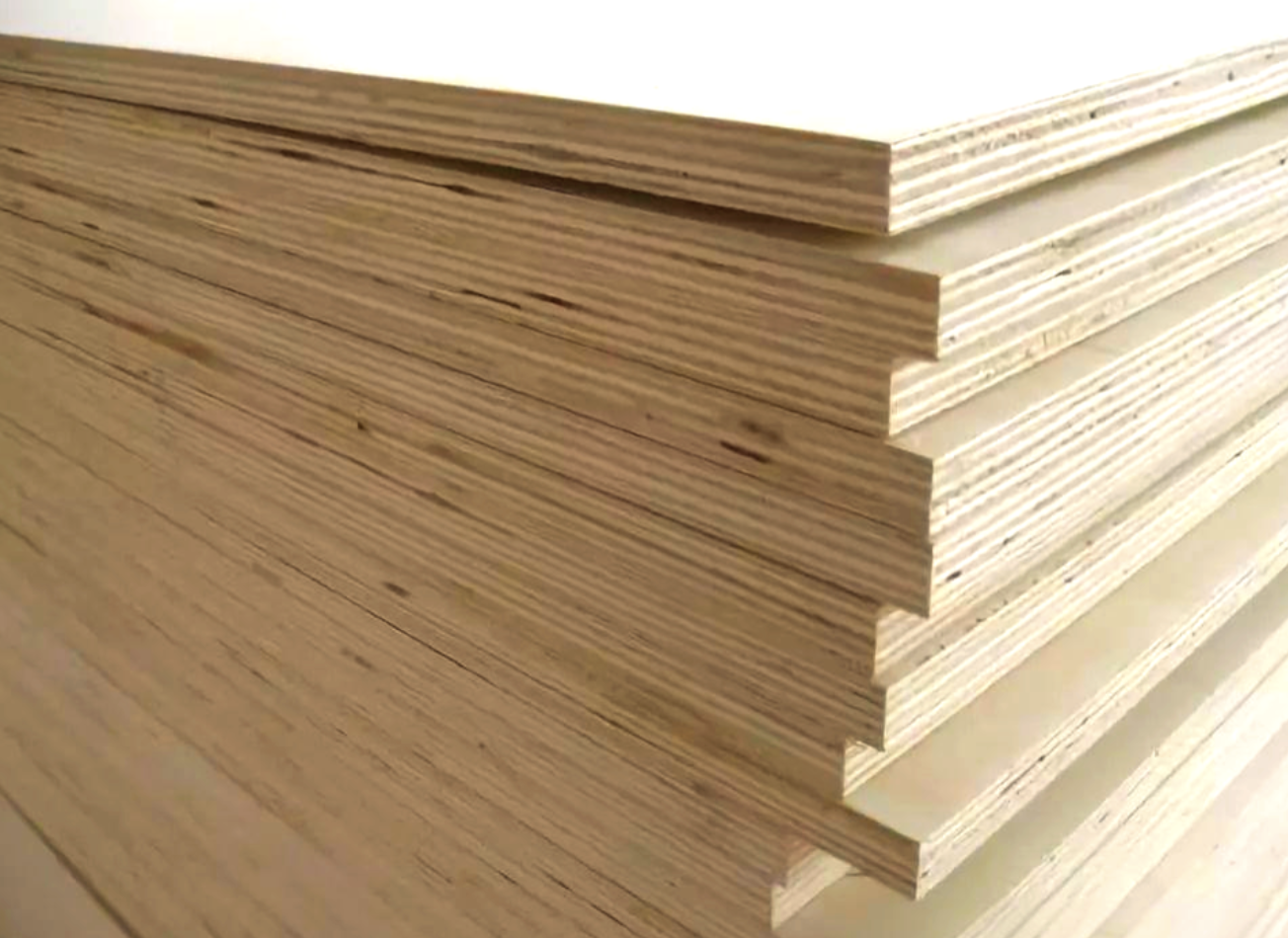
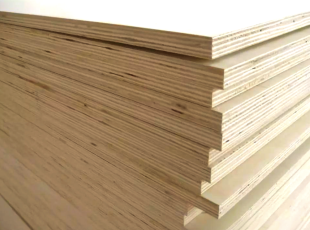
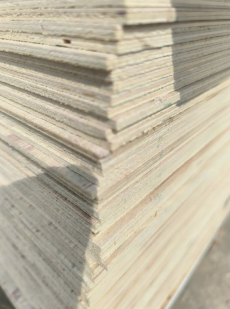
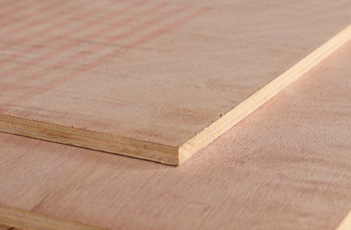
This heat-resistant industrial plywood has multiple core advantages. First, it uses high-temperature phenolic resin adhesive, which can form a stable bond between veneers even at 200℃, avoiding delamination and deformation. Second, it meets Class A fire resistance standards, making it suitable for high-temperature and fire-prone industrial scenarios. The low thermal expansion coefficient ensures that the size remains stable under alternating high and low temperatures, avoiding structural damage. Unlike ordinary industrial plywood, it has high density and uniform internal structure, ensuring stable structural support under long-term high-temperature use.
Product specifications:
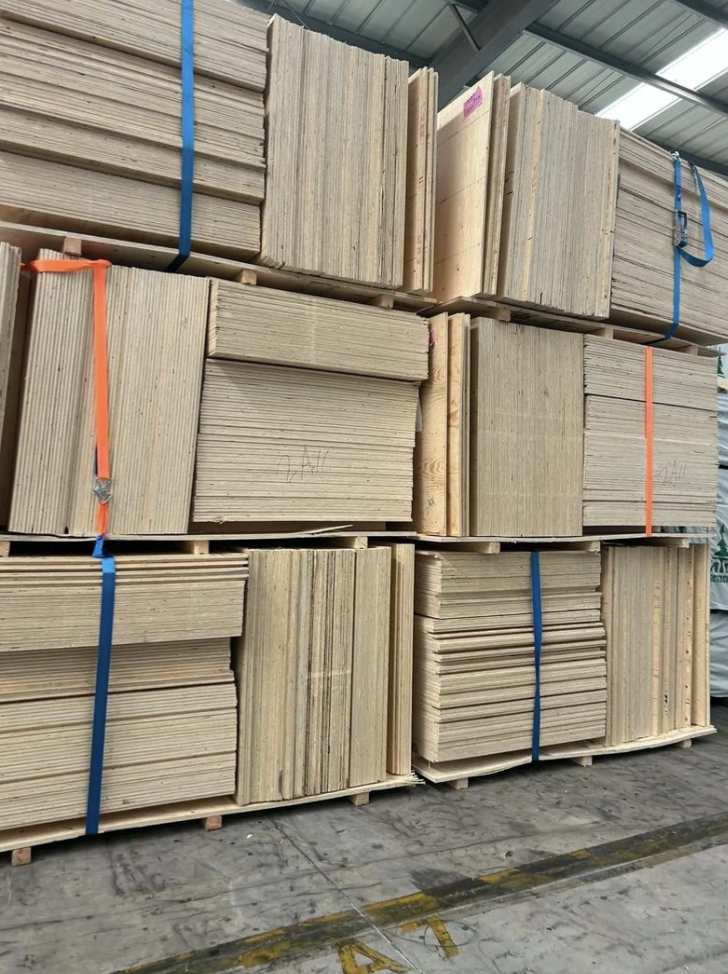
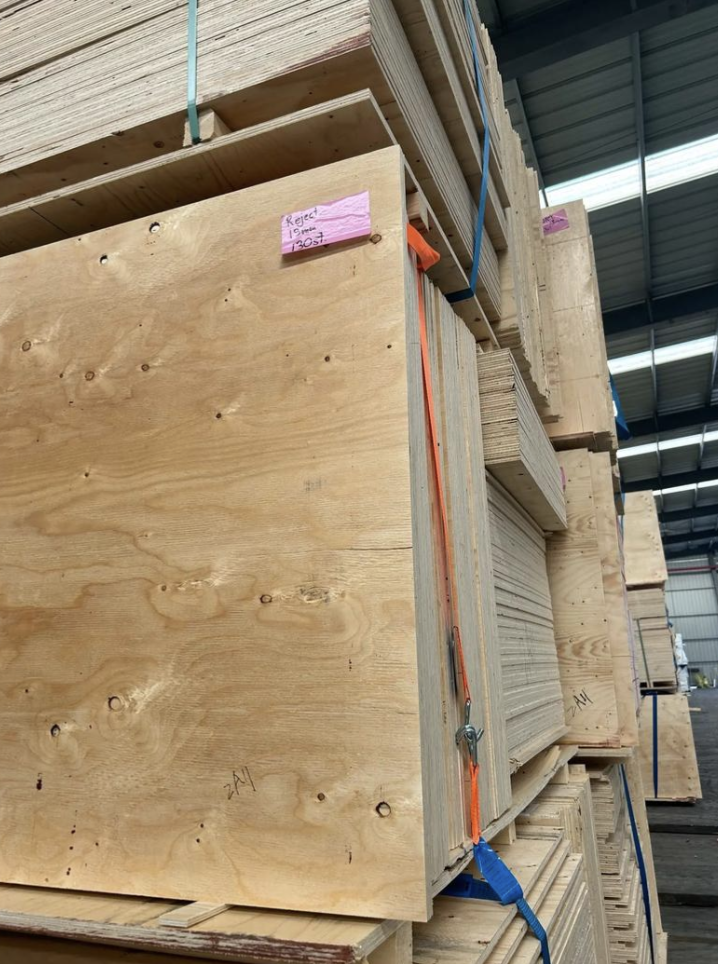
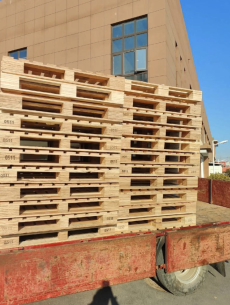
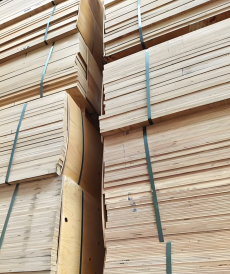
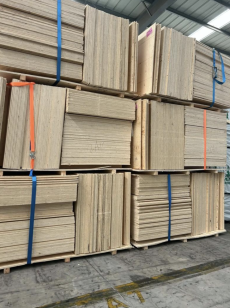
The standard sheet size is 1220mm × 2440mm, with a fixed thickness of 15mm and a dimensional tolerance of ±0.2mm. The maximum working temperature is 200℃, and it can maintain stable performance after long-term exposure to 180℃ high temperature. The thermal expansion coefficient is ≤2.5×10^-5 /℃, ensuring dimensional stability under temperature changes. The bending strength is more than 20MPa, ensuring stable structural support for industrial equipment liners. Each pallet contains 10 sheets, packed in wooden cases to protect against damage during transportation. It complies with ISO 9001 quality management system standards, ensuring consistent product quality.
Product application:
This heat-resistant industrial plywood is mainly suitable for high-temperature industrial scenarios such as industrial oven liners, high-temperature processing equipment, kiln linings and high-temperature workshop wall panels. It can also be used for thermal insulation materials, high-temperature transportation containers and other high-temperature environment fields. Its high temperature resistance and fire resistance make it an ideal material for industrial equipment manufacturing, reducing the maintenance cost of high-temperature equipment. It is widely used in industrial equipment manufacturing factories, thermal engineering enterprises and other high-temperature industrial fields.
Frequently Asked Questions (FAQ)
Q:How does heat-resistant plywood differ from standard plywood?
A:Key differences: 1) Specialized adhesives (phenolic/melamine) vs regular urea-formaldehyde, 2) Can endure 150°C+ vs standard's 80°C limit, 3) Often uses hardwood veneers for enhanced stability, 4) Higher density construction for thermal resistance.
Q:What thickness options are available for heat-resistant plywood?
A:Standard thicknesses: 1) 12mm for light-duty applications, 2) 18mm for general industrial use, 3) 25mm+ for heavy thermal loads, 4) Custom thicknesses up to 50mm for specialized requirements.
Q:How to maintain heat-resistant plywood's performance?
A:Maintenance tips: 1) Avoid prolonged exposure beyond rated temperature, 2) Clean with non-abrasive methods, 3) Store in dry conditions to prevent adhesive degradation, 4) Inspect regularly for delamination signs.












 Post RFQ


 Chat
Chat


 ALL CATEGORIES