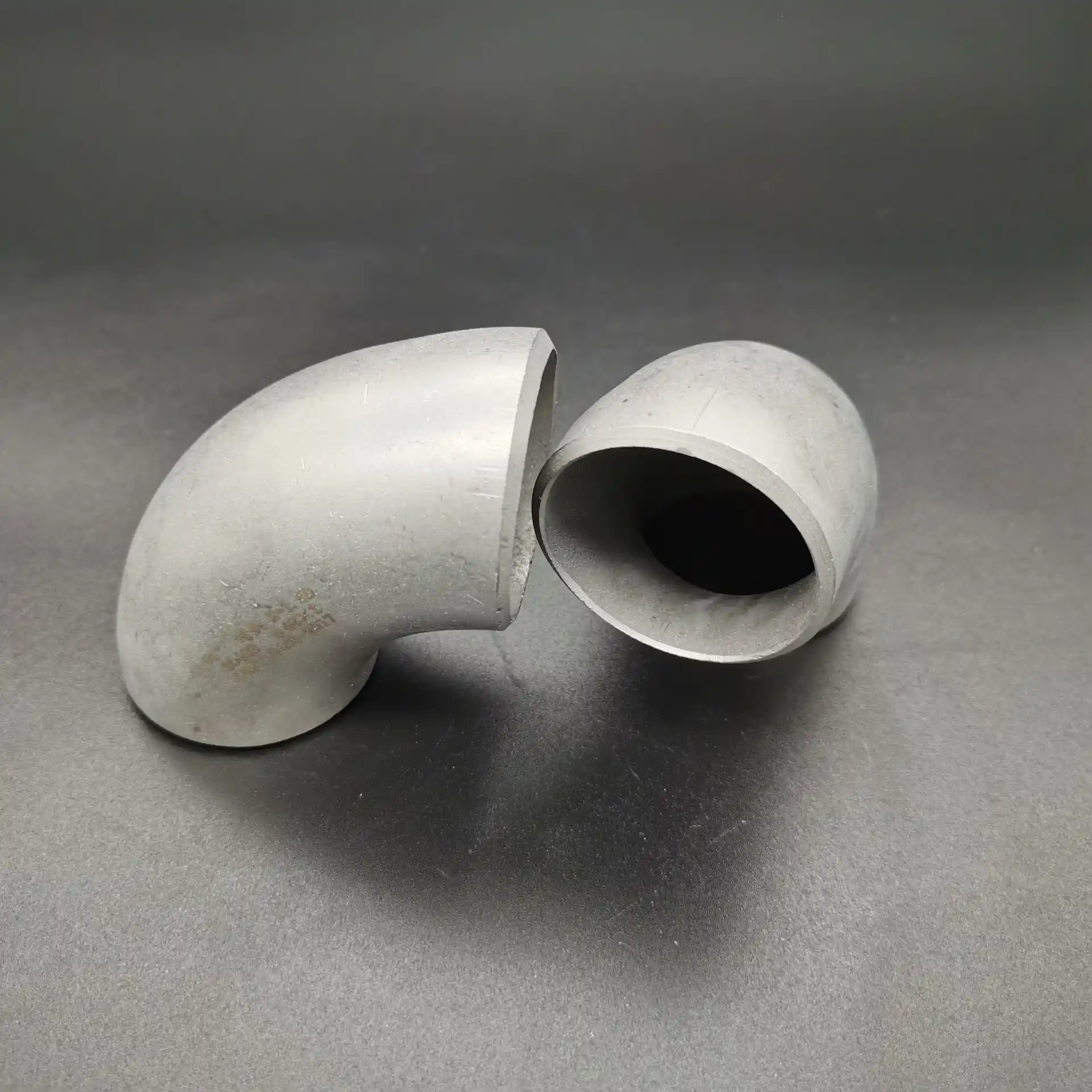
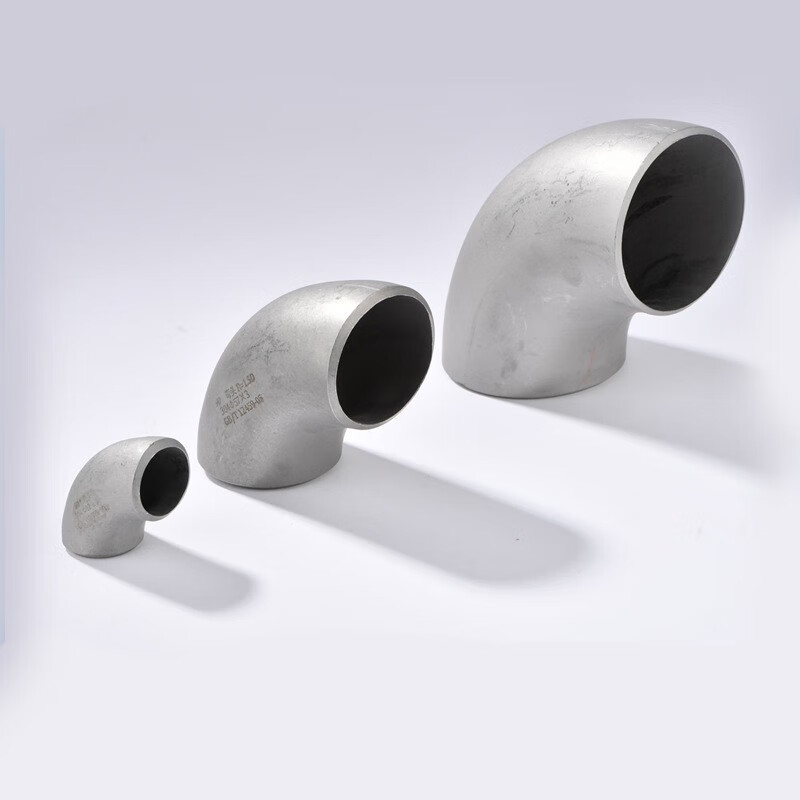


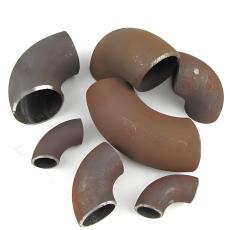
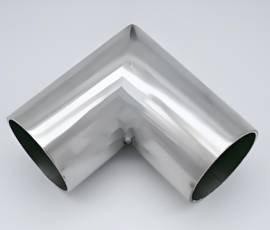
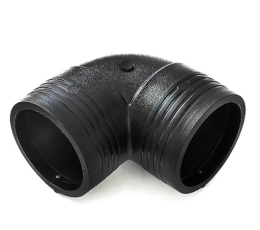
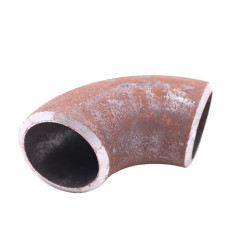

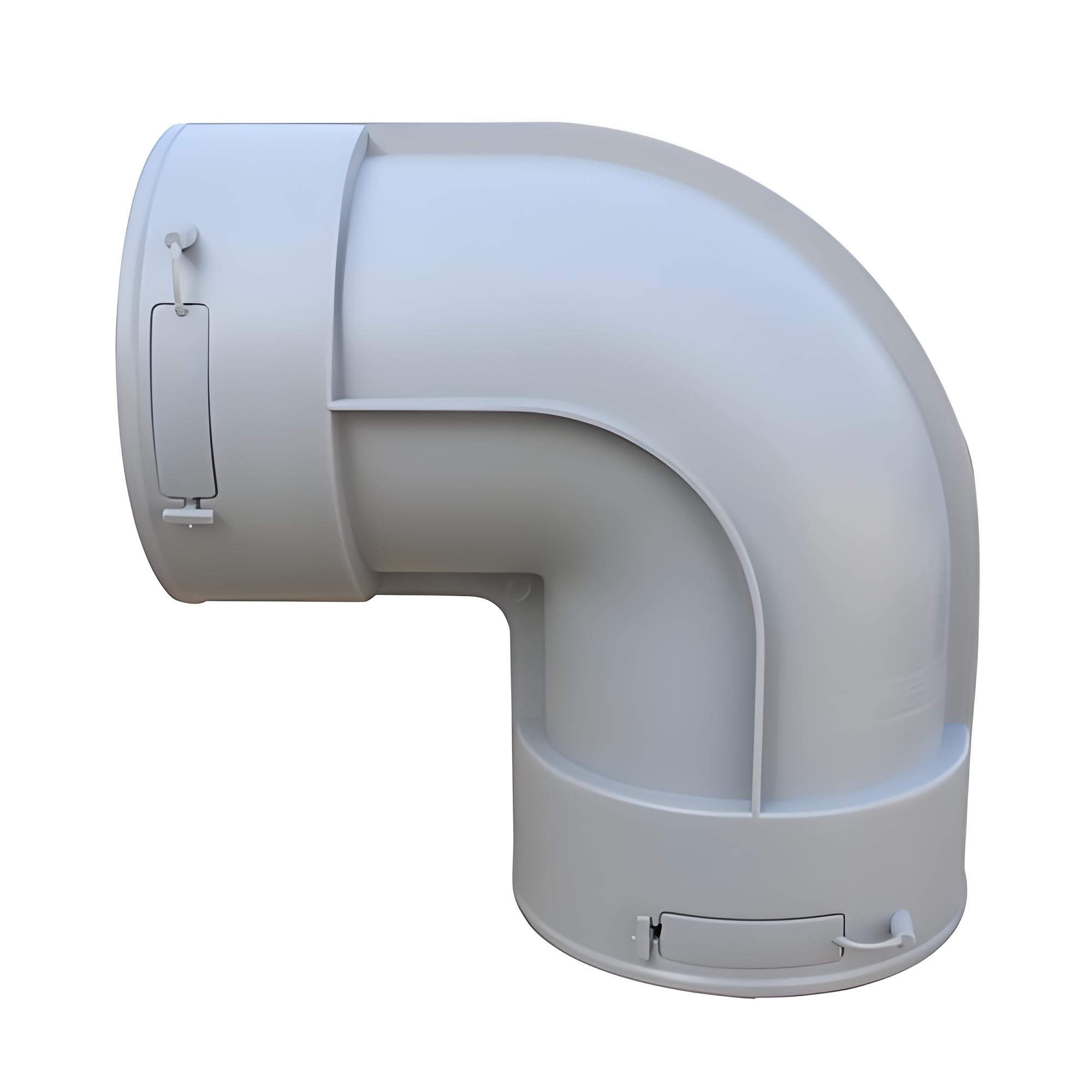
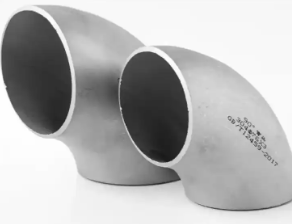
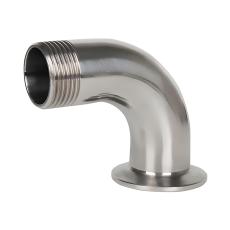
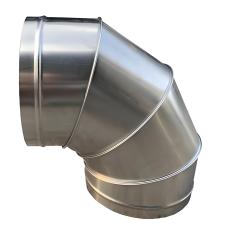
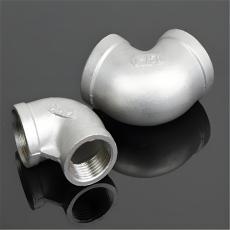
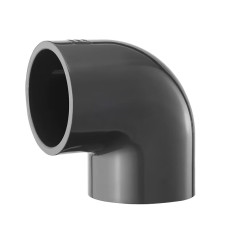
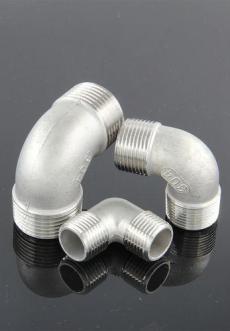
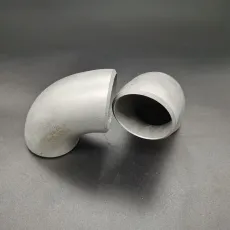
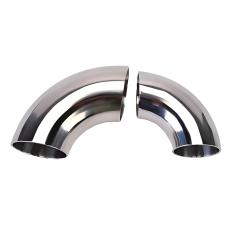
This hydraulic elbow adopts passivated polished surface treatment, which not only enhances corrosion resistance but also reduces the accumulation of fluid stains during long-term use. The precision-machined flange and welding ends ensure a tight fit with the pipeline, eliminating the risk of fluid leakage caused by loose connections. It has passed CE and ISO 9001 certifications, meeting international industrial safety standards. The optimized structural design reduces the flow resistance of the fluid, improving the transmission efficiency of the hydraulic system. Compared with ordinary carbon steel elbows, it has a longer service life and is more suitable for harsh working environments with corrosive media. The product is available in multiple nominal diameter specifications to meet the connection needs of different pipeline systems, providing users with more flexible matching options.
The nominal diameter range covers 1/2 inch, 3/4 inch, 1 inch, 1-1/2 inch, 2 inch, 2-1/2 inch, 3 inch and 4 inch. The wall thickness ranges from 3mm to 15mm according to the nominal diameter. The overall length of the elbow is 1.5 times the nominal diameter, ensuring sufficient installation space. The weight per piece ranges from 0.8kg for 1/2 inch specification to 12kg for 4 inch specification. The maximum working pressure can reach 5000 PSI, and the operating temperature range is from -20°C to 120°C. The connection ends are available in two types: welded end and flanged end, which can be selected according to the actual installation needs of the pipeline. The surface roughness of the fluid contact surface is Ra≤0.8μm, which reduces the risk of fluid contamination and meets the requirements of clean fluid transmission.
This stainless steel hydraulic elbow bend is mainly applicable to heavy-duty hydraulic systems of construction machinery such as excavators, cranes and bulldozers. It is also suitable for industrial fluid transmission pipelines in factories, such as hydraulic equipment maintenance workshops, power plant auxiliary systems and shipbuilding pipelines. In addition, it can be used in water supply and drainage systems of industrial parks that require corrosion resistance and high pressure resistance. Typical usage scenarios include changing the direction of hydraulic oil transmission in the pipeline, connecting two vertical or horizontal pipelines at 90 degrees, and optimizing the layout of the pipeline system to save space and improve the overall stability of the equipment.







 Post RFQ


 Chat
Chat


 ALL CATEGORIES