





Adopts deep purification and graft modification process, introducing a large number of coordination groups into the molecular chain, which can form stable chelates with heavy metal ions, greatly improving the heavy metal adsorption capacity, with an adsorption capacity of up to 250mg/g. It has excellent removal effect on a variety of heavy metal ions, including cadmium, lead, mercury, hexavalent chromium and nickel, with a removal rate of more than 99%. The floc is formed quickly and densely, with fast settlement speed, which can quickly realize solid-liquid separation and reduce water treatment retention time. It has a wide applicable pH range, and can maintain efficient heavy metal removal effect in the pH range of 3-10, without the need for a large amount of acid-base adjustment. Compared with traditional heavy metal removal agents such as sodium sulfide, it will not produce toxic hydrogen sulfide gas, making the operation process safer and more environmentally friendly, and will not cause secondary pollution. Its dosage is low, and the treatment cost is reduced by 20%-30% compared with traditional agents.
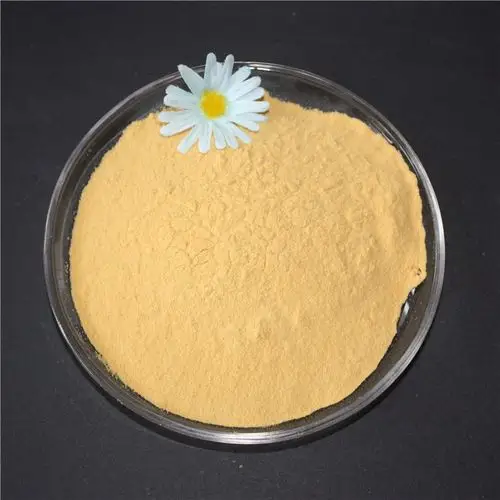
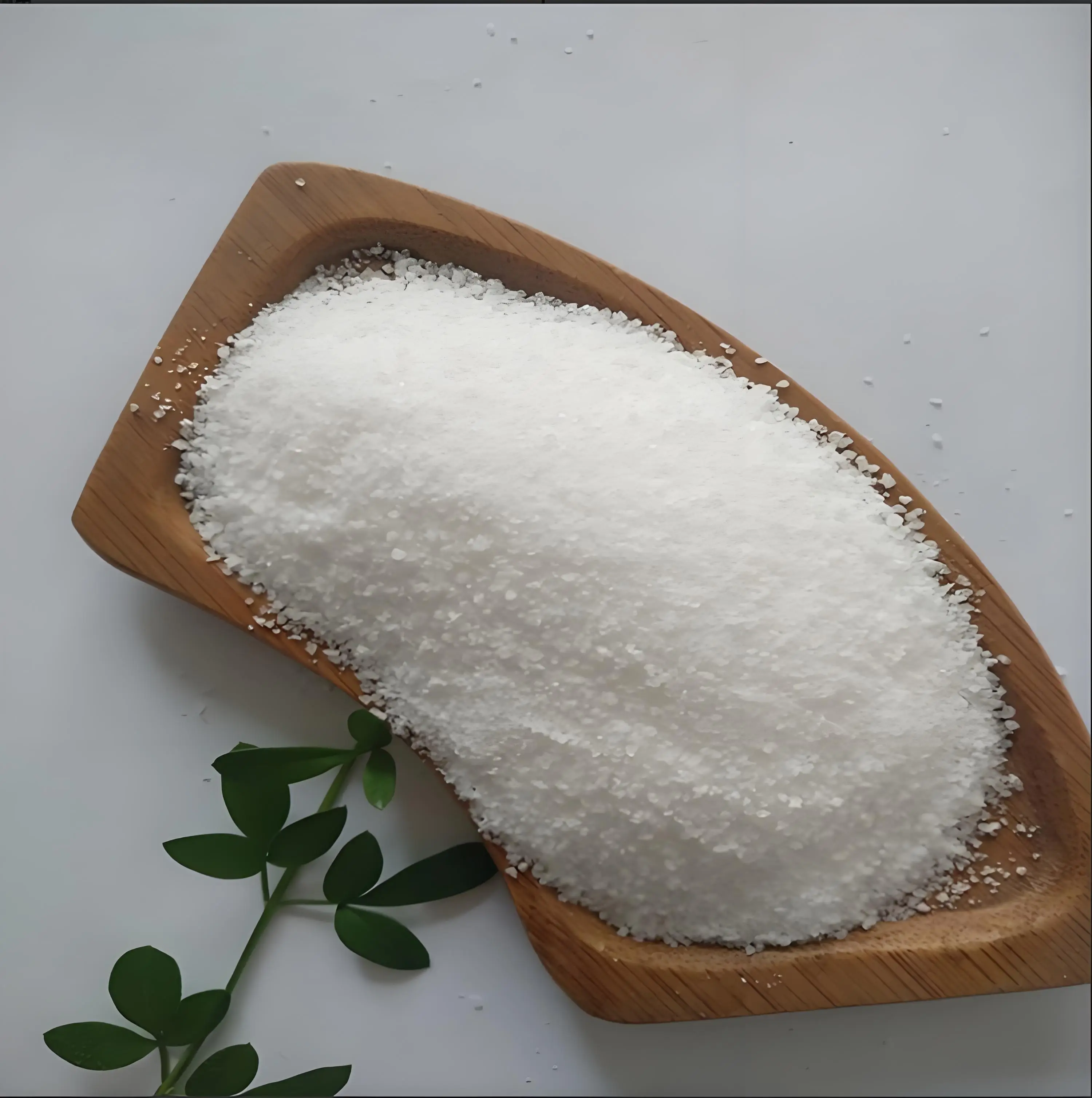
The appearance is reddish brown transparent liquid with no visible impurities. The pH value of 1% aqueous solution is 2.0-3.0, and the density is between 1.40-1.50g/cm³. The effective ferric iron content is 16%-19%, and the salt base degree is 8.0%-11.0%. The heavy metal adsorption capacity is ≥250mg/g, and the removal rate of various heavy metals is ≥99%. It is fully miscible in water, and there is no precipitation after mixing with water. The packaging adopts 1000L IBC ton barrels or 25L plastic drums, which are convenient for transportation and storage. The shelf life can reach 12 months in a normal temperature, cool and dry environment. It is suitable for high-concentration heavy metal wastewater with water temperature ranging from 5-45℃, and can effectively treat wastewater with heavy metal concentration as high as 1000mg/L. The heavy metal content in the treated effluent can be reduced to less than 0.1mg/L, meeting the national comprehensive sewage discharge standards.
It is suitable for heavy metal wastewater treatment of electroplating plants, mineral processing wastewater treatment of mining plants, pickling wastewater treatment of metallurgical plants, wastewater treatment of electronic component processing plants, heavy metal-containing wastewater treatment of chemical industry, and leaching solution treatment of heavy metal contaminated soil remediation. A typical application scenario is an electroplating industrial park. After using this special polyferric sulfate to treat chromium-containing wastewater, the removal rate of hexavalent chromium reached 99.5%, and the effluent concentration was reduced to less than 0.05mg/L, fully meeting the national comprehensive sewage discharge standards, and the drug dosage cost was reduced by 28% compared with using traditional sodium sulfide. The heavy metal content in the treated sludge is stable, meeting the hazardous waste landfill standards, which is convenient for subsequent safe disposal and avoiding secondary pollution of heavy metals to the environment.







 Post RFQ


 Chat
Chat


 ALL CATEGORIES