Basic Info
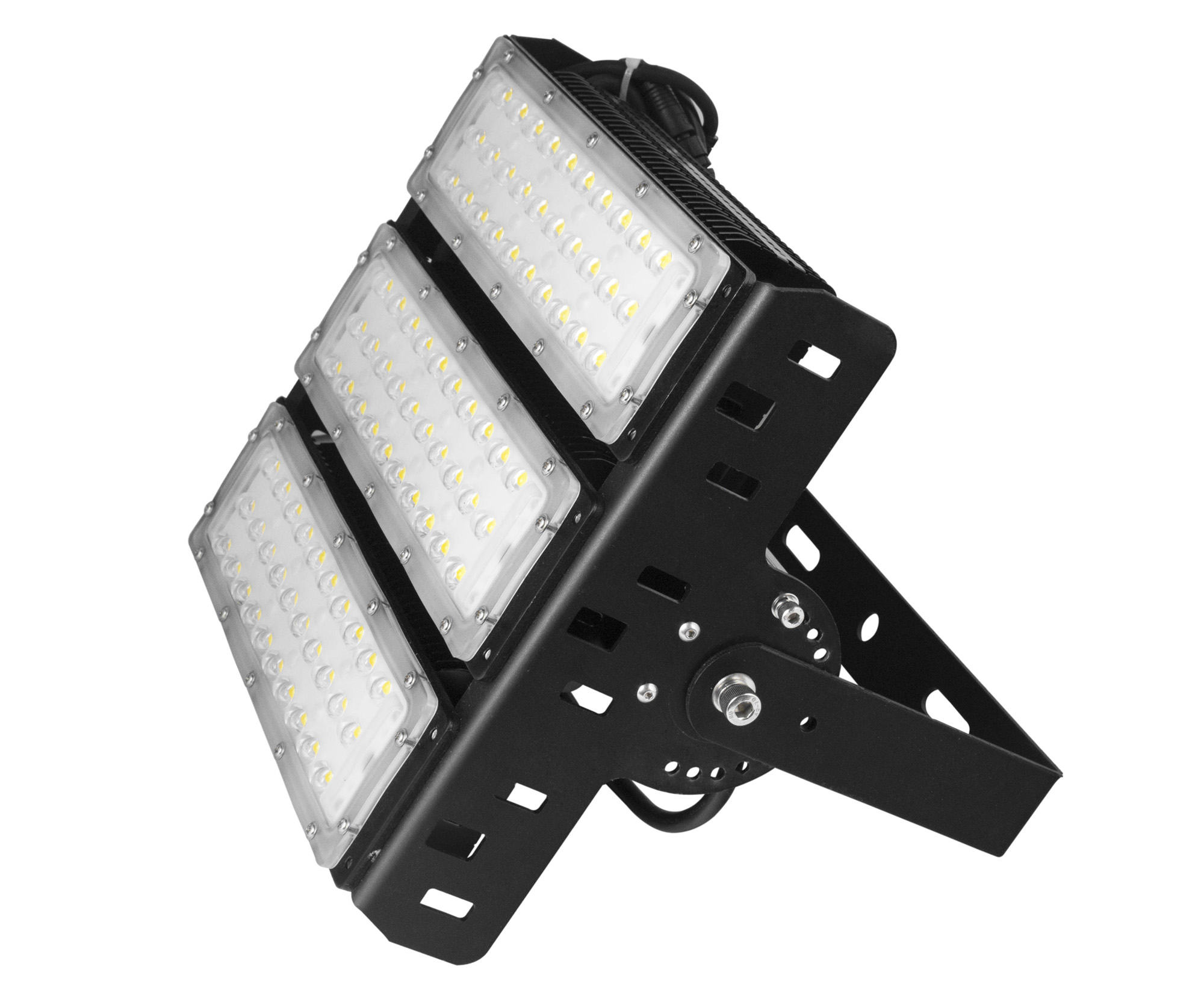
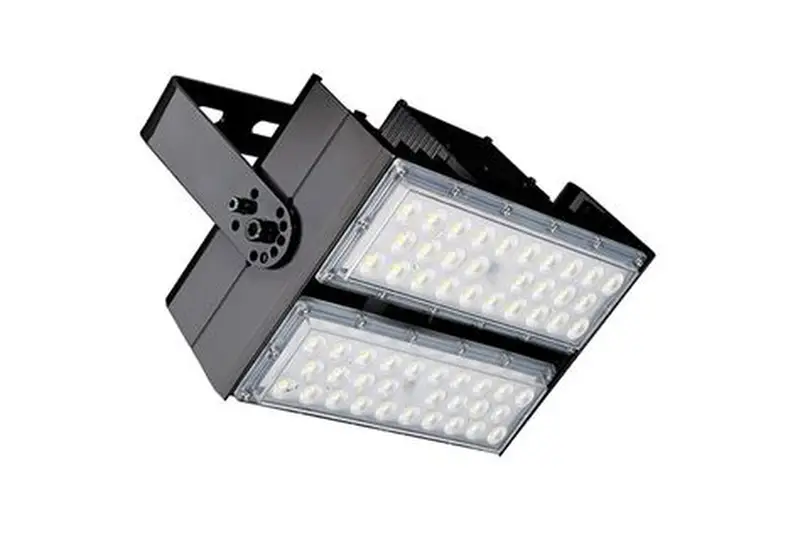
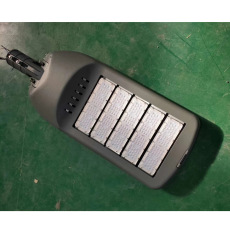
A professional luminaire specifically designed for the interior lighting of highway and railway tunnels.It emphasizes extremely high reliability and excellent light distribution to meet the stringent lighting requirements of different tunnel zones—entrance,transition,and interior—ensuring drivers'visual adaptation and traffic safety.
Product Description
Product Features:
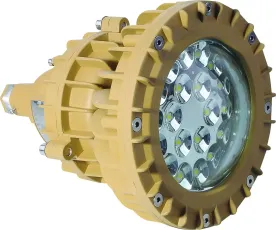
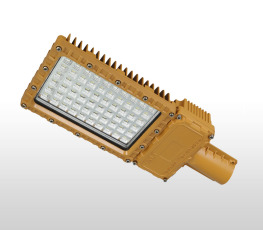
Utilizes a high-strength die-cast aluminum housing and tempered glass cover,offering strong shock and impact resistance suitable for the vibrational tunnel environment.The core of the optical system lies in its precise asymmetric light distribution design,which effectively constrains and projects light onto the roadway,strictly limits glare,and achieves extremely high road surface uniformity.The luminaire is typically designed in a slender shape to reduce wind resistance and features a self-cleaning surface treatment to minimize dust accumulation.It boasts a high protection rating of IP65/IP66 or above,effectively resisting humidity,condensation,and exhaust corrosion inside tunnels.
Product Specifications:
The power range is wide,from 30W to over 200W,to meet the illuminance requirements for entrance zones(high brightness),transition zones(gradual brightness),and interior zones(stable brightness).Efficacy can reach 140-160 lm/W.Light distribution types strictly adhere to tunnel lighting standards like CIE 88:2004,categorized as symmetric and asymmetric(cutoff).Operating voltage is mostly AC220V or AC380V.It has a wide operating temperature range of-40°C to+50°C.The driver power supply is highly reliable,supports hot-swap replacement,and has a long Mean Time Between Failures(MTBF).
Product Applications:
Used in all types of highway tunnels,subway tunnels,railway tunnels,and underpasses.Mounting methods are varied,including sidewall mounting(bracket or recessed),top suspension,or surface mounting.Design requires precise calculation of the length,luminaire power,spacing,and mounting angle for each lighting section based on tunnel design speed,traffic volume,and external ambient brightness curves.Intelligent control systems(e.g.,stepless dimming)can automatically adjust the tunnel brightness according to external natural light intensity and traffic flow,achieving"lighting on demand"and energy savings.
Frequently Asked Questions (FAQ)
Q:Why is asymmetric light distribution crucial in tunnels?
A:It directs maximum light onto the road surface and walls at the driver's eye level, enhancing contrast and visual guidance while minimizing glare from bright luminaire surfaces, which is vital for safety in the confined tunnel space.
Q:How are lighting levels determined for different tunnel zones?
A:Levels follow standards (like CIE 88). The entrance zone requires the highest luminance to aid daylight adaptation, decreasing through the transition zone to the stable, lower level of the interior zone.
Q:What special protection is needed for tunnel environments?
A:Beyond high IP ratings (IP65/IP66), protection against corrosive gases (WF2 rating), vibration resistance, and easy-access, quick-disconnect features for maintenance during short traffic closures are key.
Q:Can tunnel lighting be dynamically controlled?
A:Yes, with photosensors at the portals and traffic sensors, luminance can be automatically adjusted in real-time based on external daylight and traffic density, optimizing safety and energy use.
Q:What is the required maintenance factor for tunnel lighting design?
A:Due to fast soiling, a low maintenance factor (e.g., 0.7) is used in calculations. This ensures that even at the end of the cleaning cycle, illuminance remains above the minimum required level.
Q:How to replace a faulty LED module in a tunnel light?
A:Most modern designs allow front-access, tool-less module replacement. The defective module can be unplugged and a new one inserted without opening the main housing, ensuring fast, safe maintenance.










 Post RFQ


 Chat
Chat




 ALL CATEGORIES