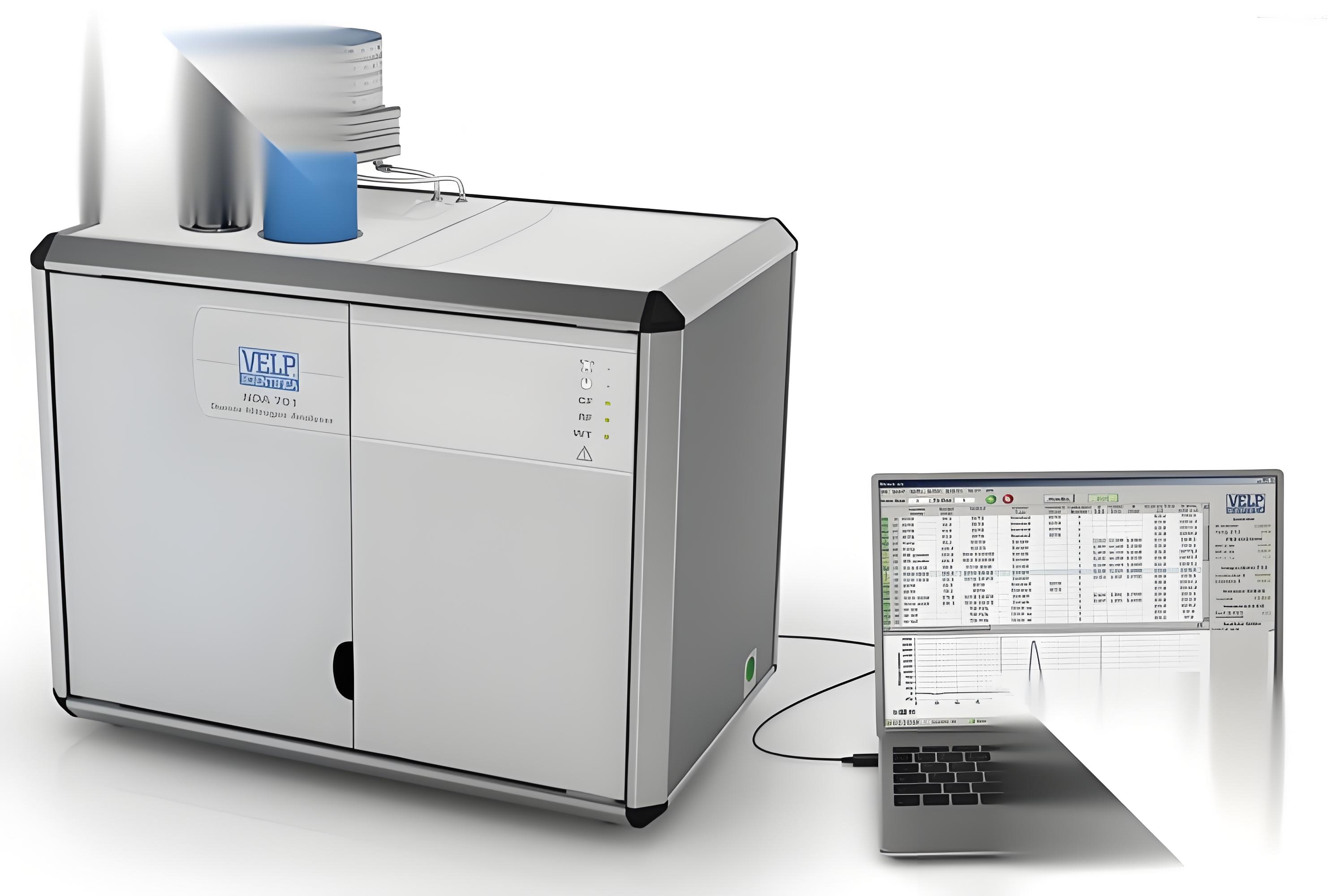
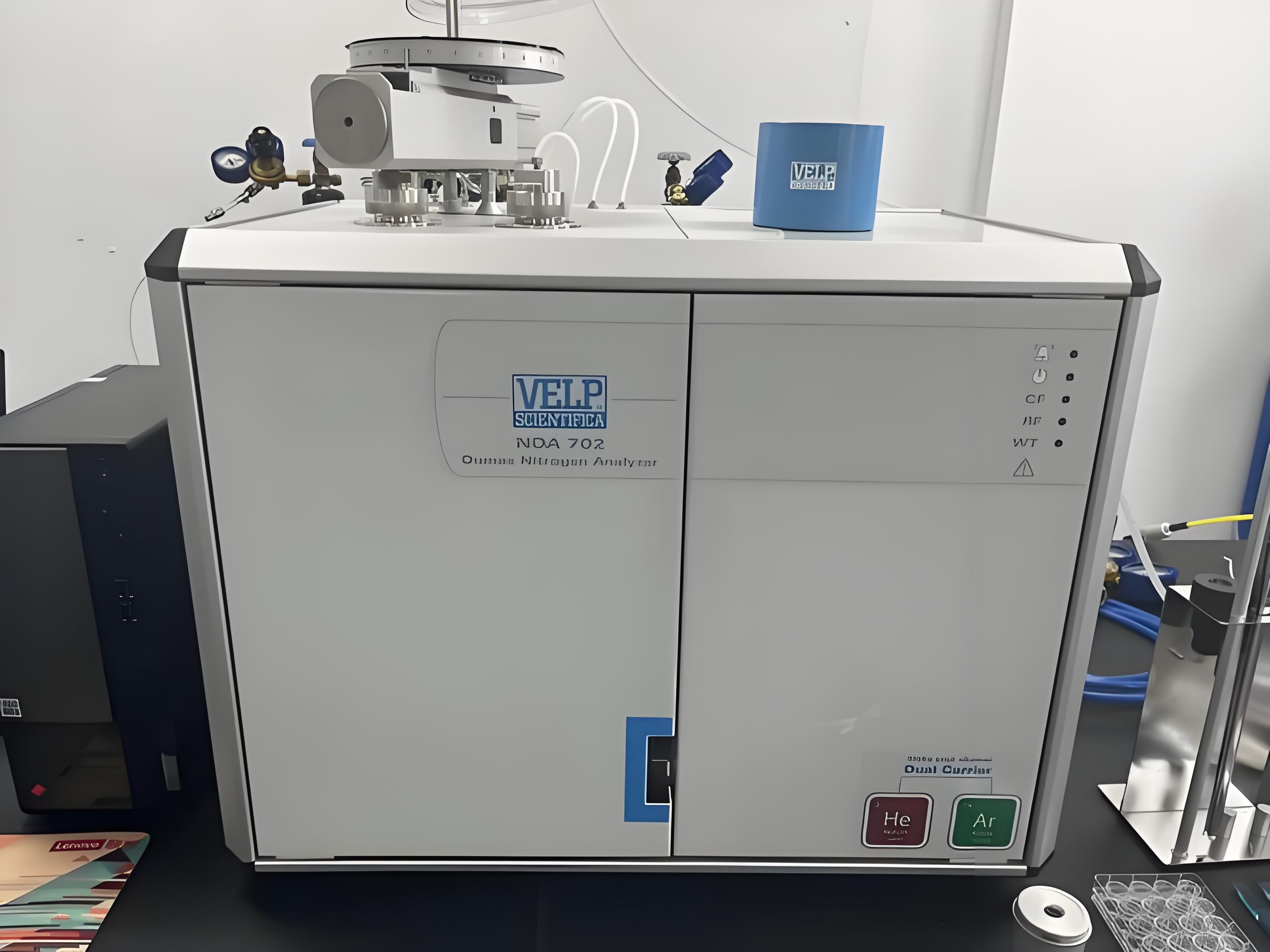


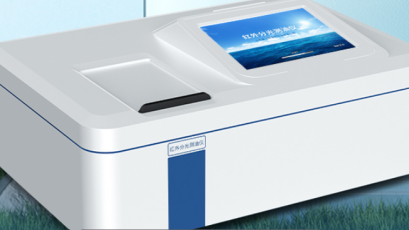
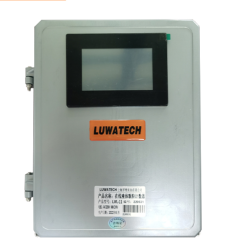
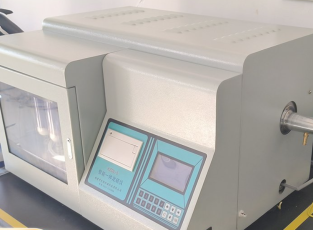

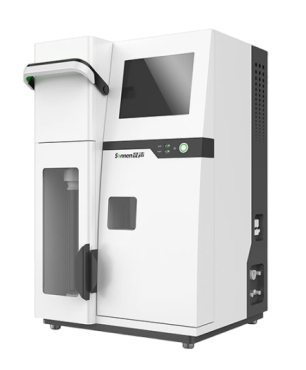
It solves the pain points of traditional Kjeldahl nitrogen analyzers relying on strong acid reagents, high operational risks and high subsequent waste liquid treatment costs. It adopts Dumas high-temperature combustion catalytic reduction technology, burns and decomposes samples at high temperature, and accurately measures nitrogen content through a thermal conductivity detector. The device is equipped with an automatic sampling system, which can realize unattended batch sample detection, and is built with a high-precision thermal conductivity sensor to ensure that the detection accuracy reaches the ppm level. No chemical reagents are required to complete the test, which fundamentally avoids laboratory chemical pollution. It is also equipped with an automatic calibration system, which can automatically complete instrument zero calibration and range calibration, reducing manual maintenance costs.
It uses a universal power supply of AC220V 50/60Hz, the host dimensions are 600×700×900mm, and the total weight of the main unit is 85kg. It can process 1-6 solid/liquid samples in parallel at a single time, with a nitrogen detection limit as low as 0.001mg N, a repeatability error of ≤±0.2%, and a single sample testing time of 4-6 minutes. It is equipped with a 10-inch touch operation interface, supports multi-language interactive functions, has a data storage capacity of ≥5000 sets of test records, passes ISO 17025 and AOAC 992.23 authoritative certifications, can be directly used for official compliance testing, and is suitable for nitrogen content analysis of high-precision scientific research samples.
It is suitable for trace nitrogen content analysis in chemistry and life science laboratories of top universities, accurate detection of nitrogen content of raw materials in pharmaceutical enterprises, nitrogen content quality control of peptide products in high-end food enterprises, and organic nitrogen element analysis in precision material R&D fields. Typical usage scenarios include nitrogen content purity detection of polypeptide drugs, nitrogen content analysis on the surface of nanomaterials, and authoritative detection of protein content in imported foods, which can meet international high-end testing standards such as ASTM E1019 and ISO 15381.







 Post RFQ


 Chat
Chat


 ALL CATEGORIES