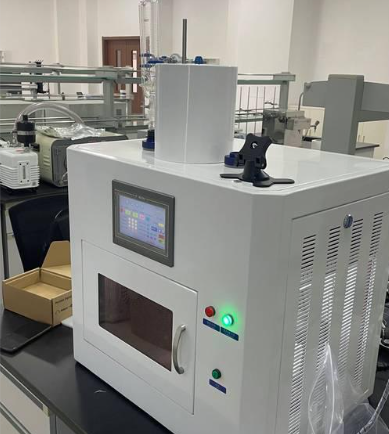
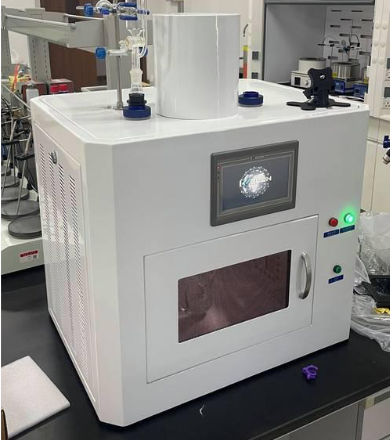


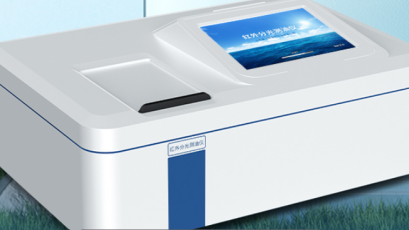
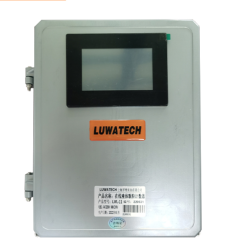
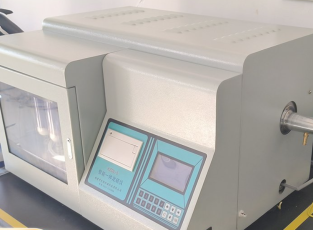

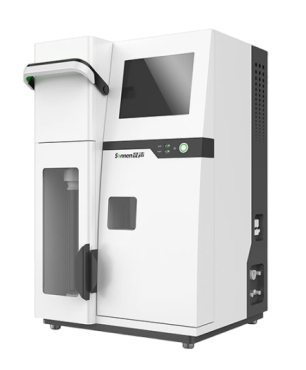
Adopts multi-channel parallel testing design, processing 12~16 samples at the same time, with a single batch testing time of only 40 minutes, improving detection efficiency by more than 15 times compared with single-channel nitrogen analyzers; equipped with high-precision distributed heating module, with temperature control accuracy of ±1℃ for each channel, ensuring consistent testing results of each sample; adopts circulating water cooling system, improving condensation efficiency by 50% and shortening sample testing cycle; integrated automatic sample feeding system, automatically completing the whole process of sample adding, digestion, distillation and titration without manual intervention; equipped with central control system to monitor the testing status of each channel in real time and view the testing progress of each sample; supports batch data export and LIMS system docking, facilitating laboratory compliance management; has automatic fault alarm function, automatically stopping and alarming when a channel has abnormalities to avoid sample waste; equipped with 7-inch color touch screen to view the testing data and status of all channels at the same time.
Detection principle: Kjeldahl digestion-distillation-titration method; Channel quantity: 12/16 channels optional; Detection range: 0.1mg~200mg N; Recovery rate: ≥99.3% (tested with ammonium sulfate standard samples); Repeatability relative standard deviation ≤0.6%; Digestion temperature range: room temperature~500℃ with temperature control accuracy of ±1℃; Single channel testing time: 3~8 minutes; Distillation system: 16 independent distillation and condensation units; Titration accuracy: 0.01mL; Data storage capacity: supports storing 10000+ sets of test data; Equipment dimensions: 750mm (length) × 650mm (width) × 1300mm (height); Net weight: 110kg; Power supply: AC 100-240V, 50/60Hz; Operation interface: 7-inch color touch screen; Interface: Ethernet, USB, RS232; Consumable compatibility: 250/500mL standard Kjeldahl digestion tubes; Automatic functions: automatic sample adding, acid adding, alkali adding, distillation, titration and data storage.
It is applicable to batch raw material protein detection in large-scale food processing plants to ensure the quality compliance of daily production raw materials; batch feed nutrition detection in feed production enterprises to control feed product quality; batch sample detection in third-party testing institutions to improve the processing capacity of testing business; batch soil and plant sample nitrogen content detection in agricultural research institutions; batch teaching experiment sample detection in university laboratories. It greatly improves the testing throughput of laboratories, meeting the needs of large-scale batch testing and reducing labor costs and testing cycles.







 Post RFQ


 Chat
Chat


 ALL CATEGORIES