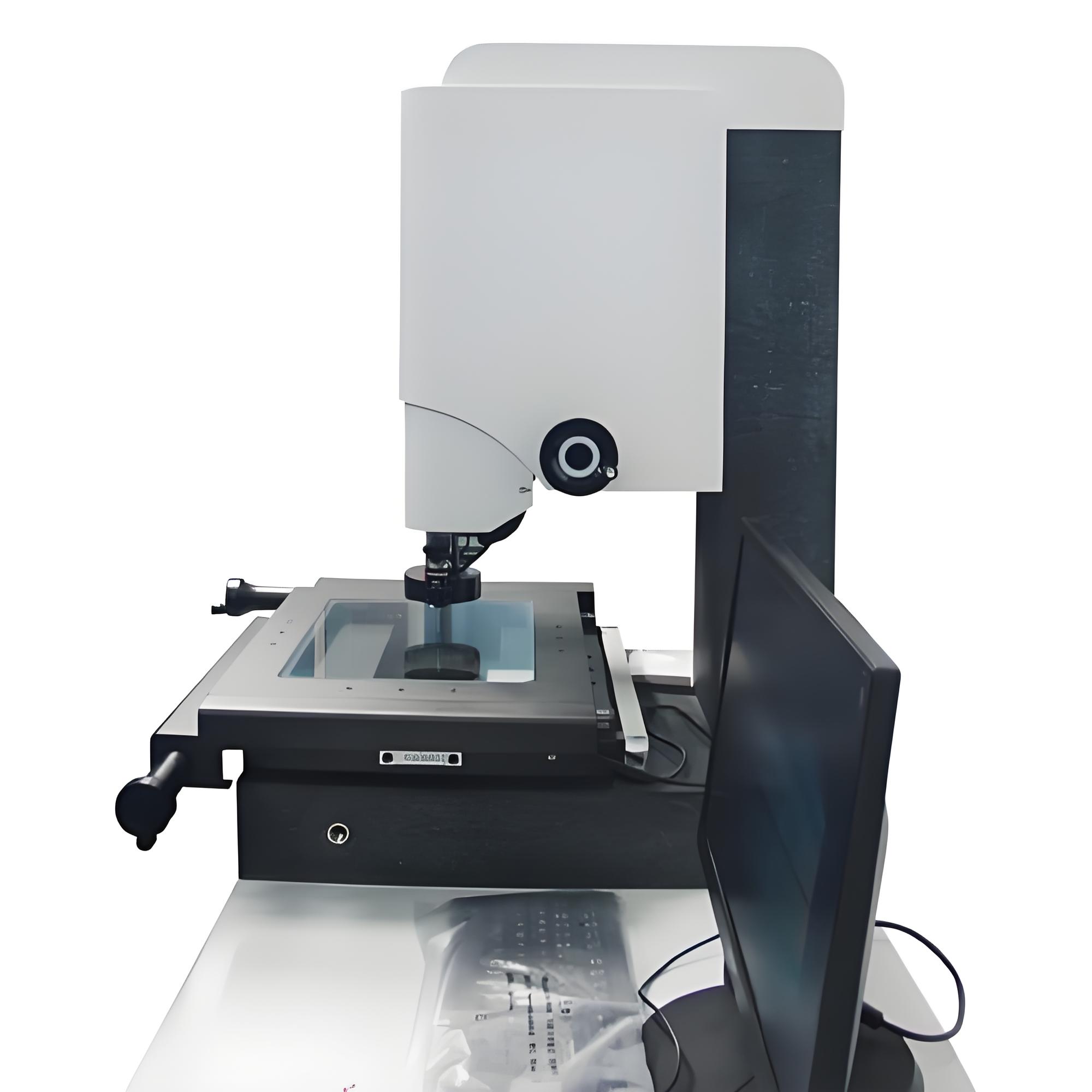
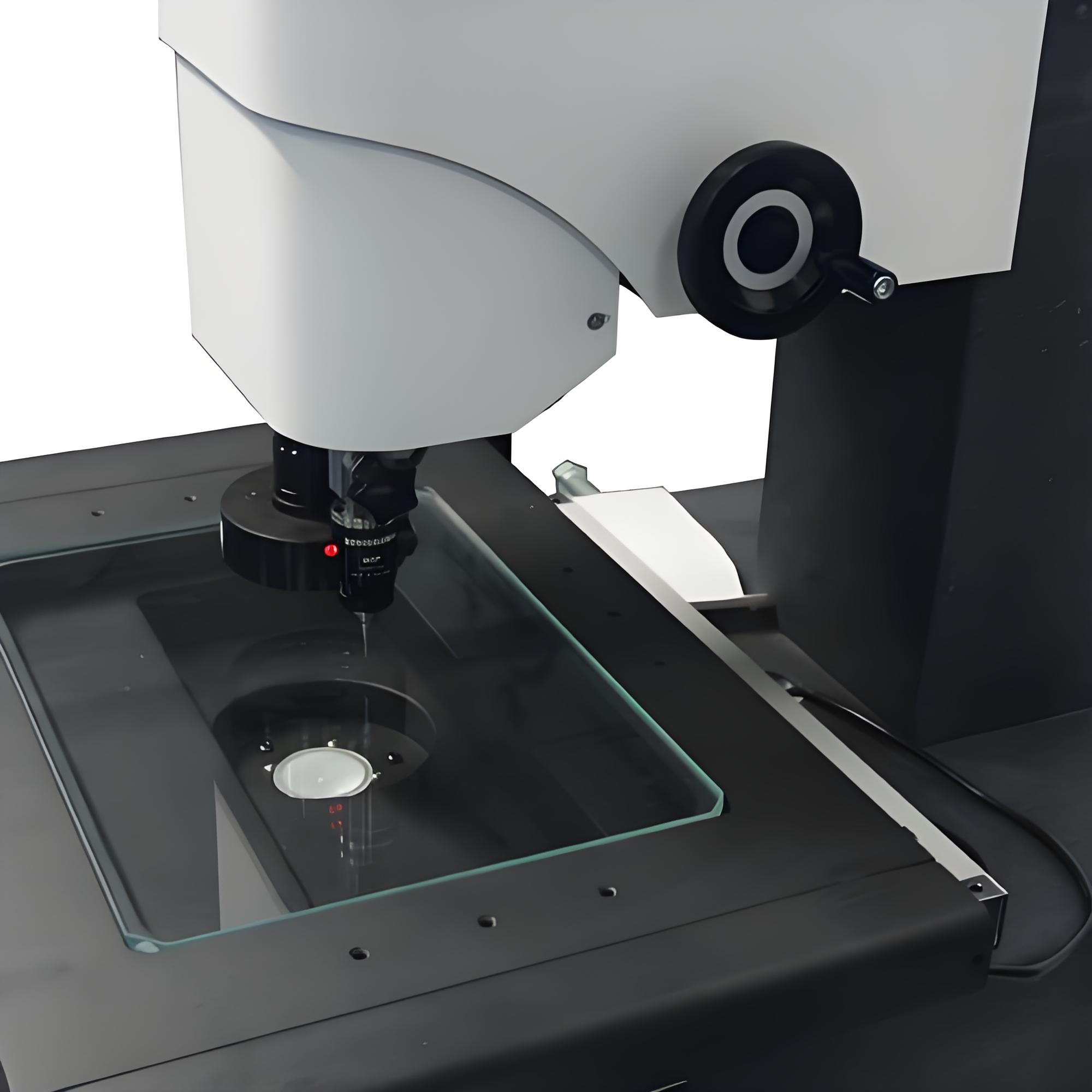





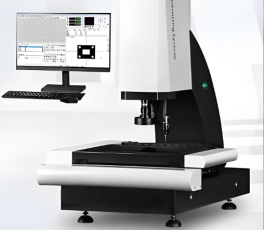
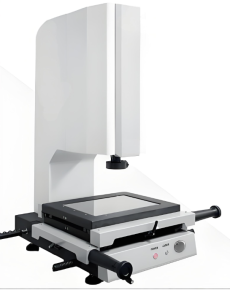
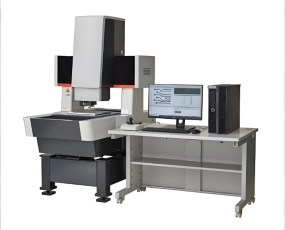
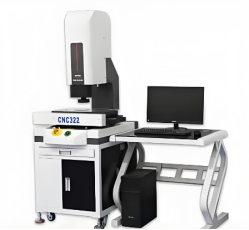

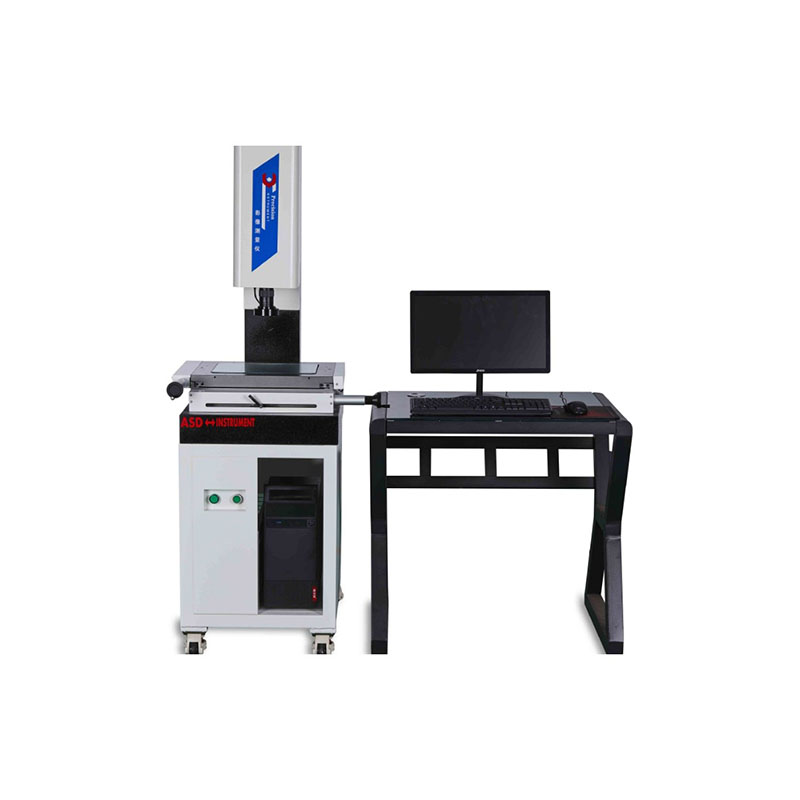
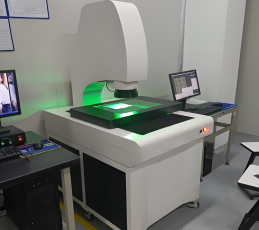
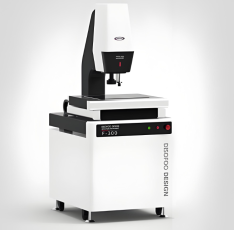
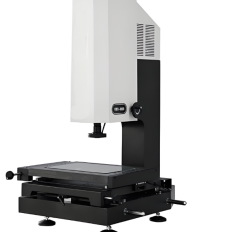
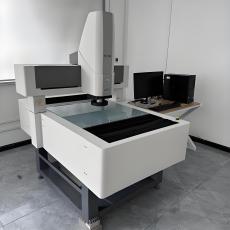
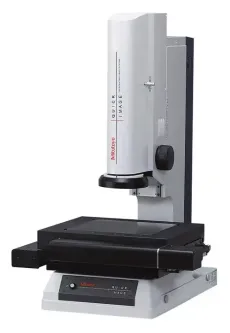
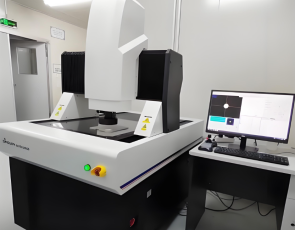
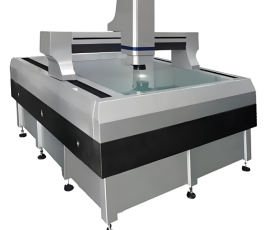
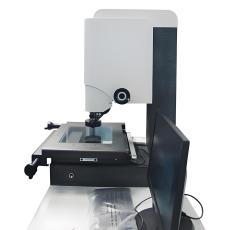
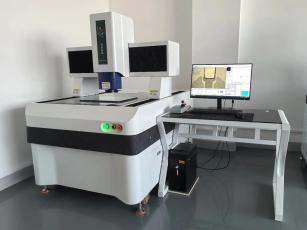
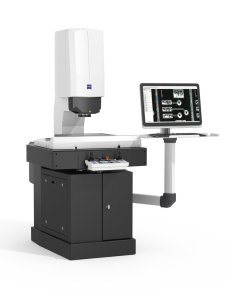
This manual image measuring instrument adopts a high-fidelity zoom lens and modular lighting system, which can clearly capture the edge contours of tiny parts, solving the pain point that traditional calipers and micrometers cannot detect complex curved surfaces and tiny hole positions. The cast iron base with lightweight design ensures operation stability, avoiding the impact of workshop vibration on measurement accuracy. The supporting basic version of measurement software supports one-click generation of test reports and compatible with mainstream CAD format data export, facilitating data traceability in the production process. The humanized manual rocker control design adapts to testing personnel with different operating habits, reducing the training cost of new employees. At the same time, it is equipped with multi-level safety protection mechanisms to avoid lens damage caused by misoperation, making it suitable for daily inspection needs of small and medium-sized manufacturing enterprises.
Travel Range: X-axis 300mm, Y-axis 200mm, Z-axis 150mm; Measurement Accuracy: ±(2+L/200)μm where L is measured length in mm; Lens: 0.7-4.5X continuous zoom objective with 0.001mm scale; Magnification Range: 14x to 112x (with adapter optional up to 200x); Lighting: Top LED ring light (18pcs high-brightness LEDs) + bottom coaxial backlight with adjustable brightness; Software: QMS3D Basic, supports 2D dimension measurement, geometric tolerance detection, report generation; Body: Cast iron base with aluminum alloy upright column, net weight 180kg, gross weight 220kg; Power: 100-240V AC, 50/60Hz, 1.2kW; Interface: USB 2.0, Ethernet, compatible with AutoCAD, SolidWorks; Operation: Manual joystick control + touch screen operation panel; Warranty: 1 year parts and labor, 3 years lens maintenance.
It is suitable for small and medium-sized hardware processing factories, plastic molding workshops, electronic component testing centers, precision mold first-piece inspection. It is used to detect 2D dimensions and geometric tolerances of parts such as mobile phone hardware brackets, plastic gears, precision screws, PCB board pin spacing. It can also be used in geometric measurement teaching scenarios in teaching training, helping enterprises quickly complete incoming material sampling inspection, process inspection and finished product full inspection, and improve production quality control efficiency.








 Post RFQ


 Chat
Chat


 ALL CATEGORIES