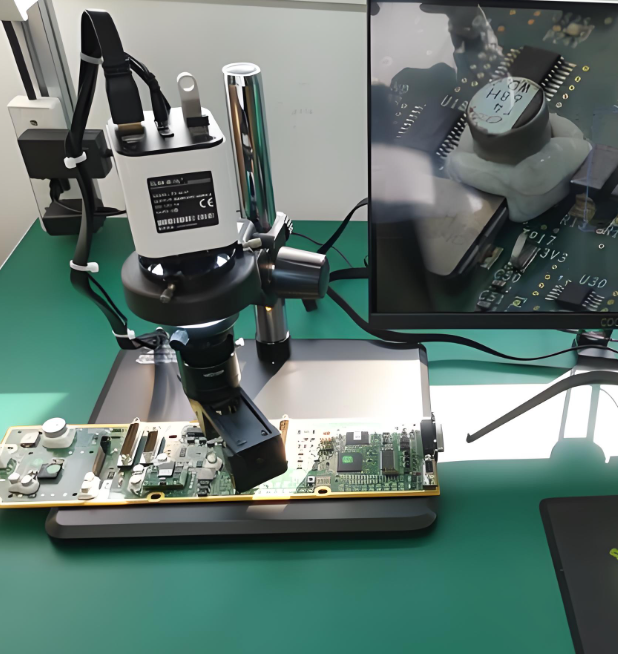
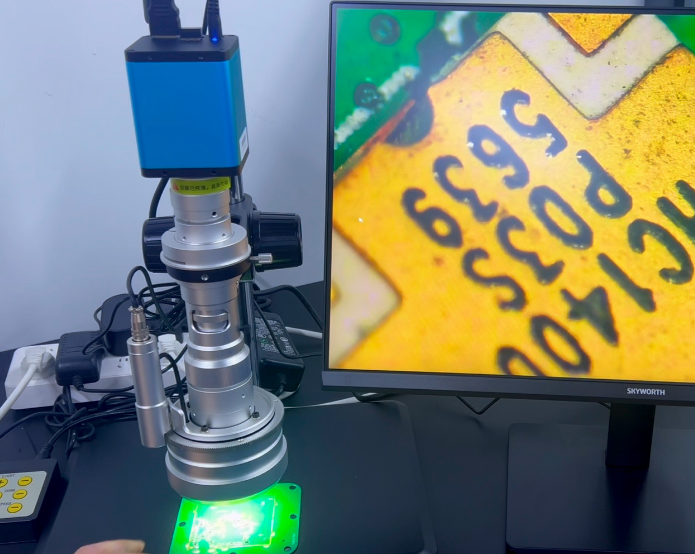






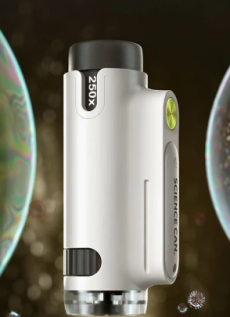
Compared with traditional electronic maintenance microscopes, this product adopts a handheld design, weighing only 150g, paired with a silicone anti-slip handle, which can be operated handheld for a long time without fatigue. The 4.3-inch high-definition screen can display 3D stereo imaging effects in real time, and can complete photo taking, video recording and storage without connecting to a computer. The adjustable annular LED side fill light system can adapt to electronic components with different reflectivity, avoiding reflection affecting the detection effect. The IP54 dust and water resistance can adapt to complex working environments such as workshops and outdoors. It supports the USB-C interface to connect to computers or mobile devices for data transmission and remote control, solving the pain point that traditional maintenance microscopes have limited viewing angles and cannot quickly record maintenance details, providing a convenient and efficient inspection tool for electronic maintenance personnel.
The body size is 140*60*40mm, the magnification range is 50-1000X, the 3D depth of field can reach 80mm, it is equipped with a 4.3-inch 720P high-definition screen, the built-in 64GB flash memory can store more than 20,000 microscopic images. It uses a USB-C interface compatible with PC, mobile phones and tablet devices. The body is made of aluminum alloy + silicone anti-slip design, weighing 150g, the working temperature range is -10-50℃, it has passed IP54 dust and water resistance certification, and the power supply is a built-in 3000mAh lithium battery with a battery life of up to 6 hours of continuous use.
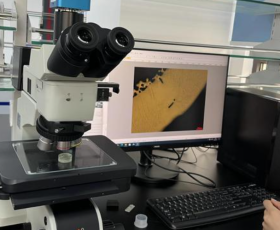
It is mainly used for mobile phone circuit board maintenance, computer motherboard solder joint detection, small electronic component defect inspection, jewelry and jade detail identification and manual model detail inspection. Electronic maintenance personnel can quickly view the stereo details of circuit board solder joints through this equipment, accurately judge problems such as virtual soldering and short circuits. Jewelry appraisal practitioners can clearly view the surface defects and textures of jewelry, improving appraisal accuracy.








 Post RFQ


 Chat
Chat


 ALL CATEGORIES