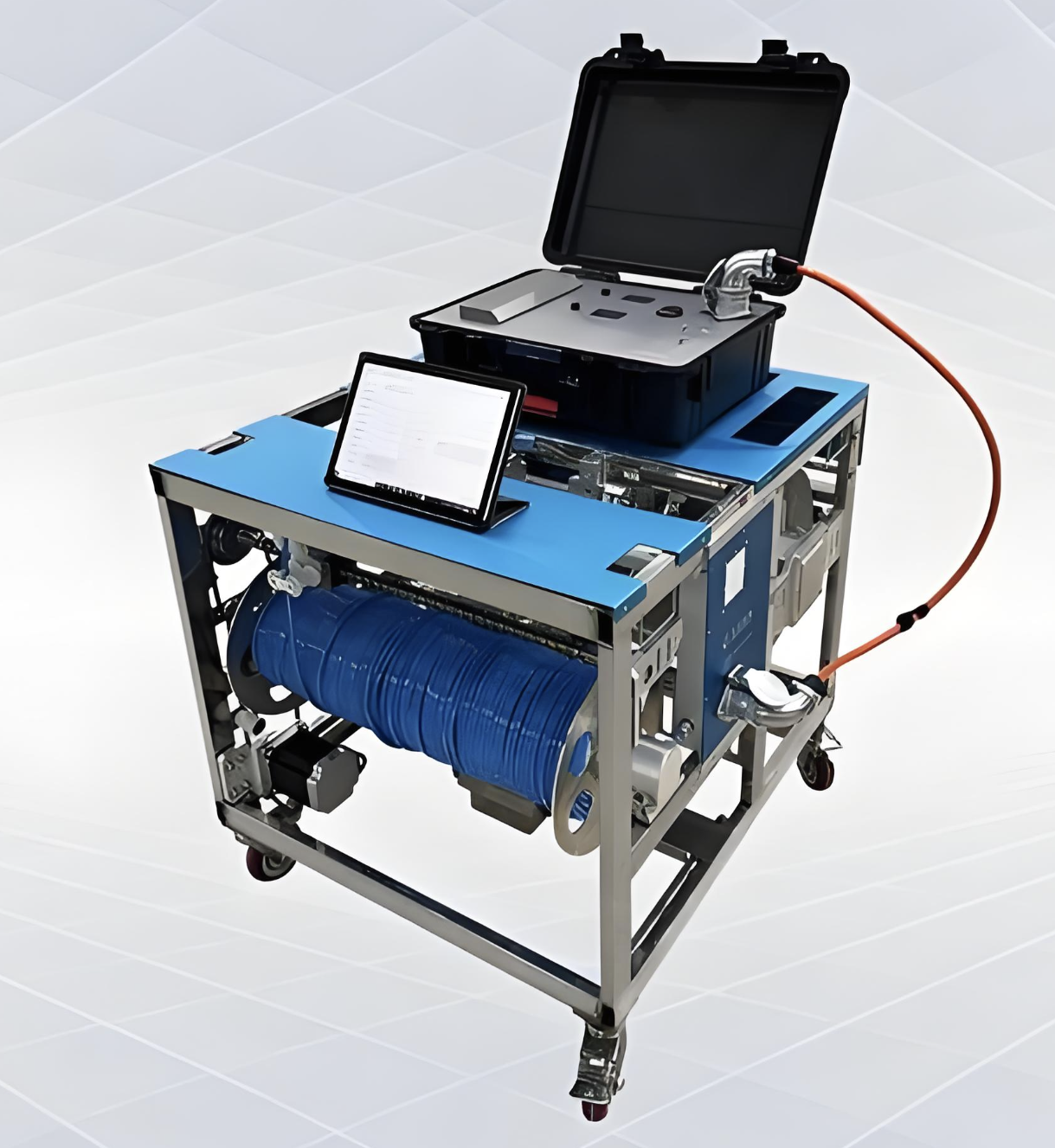
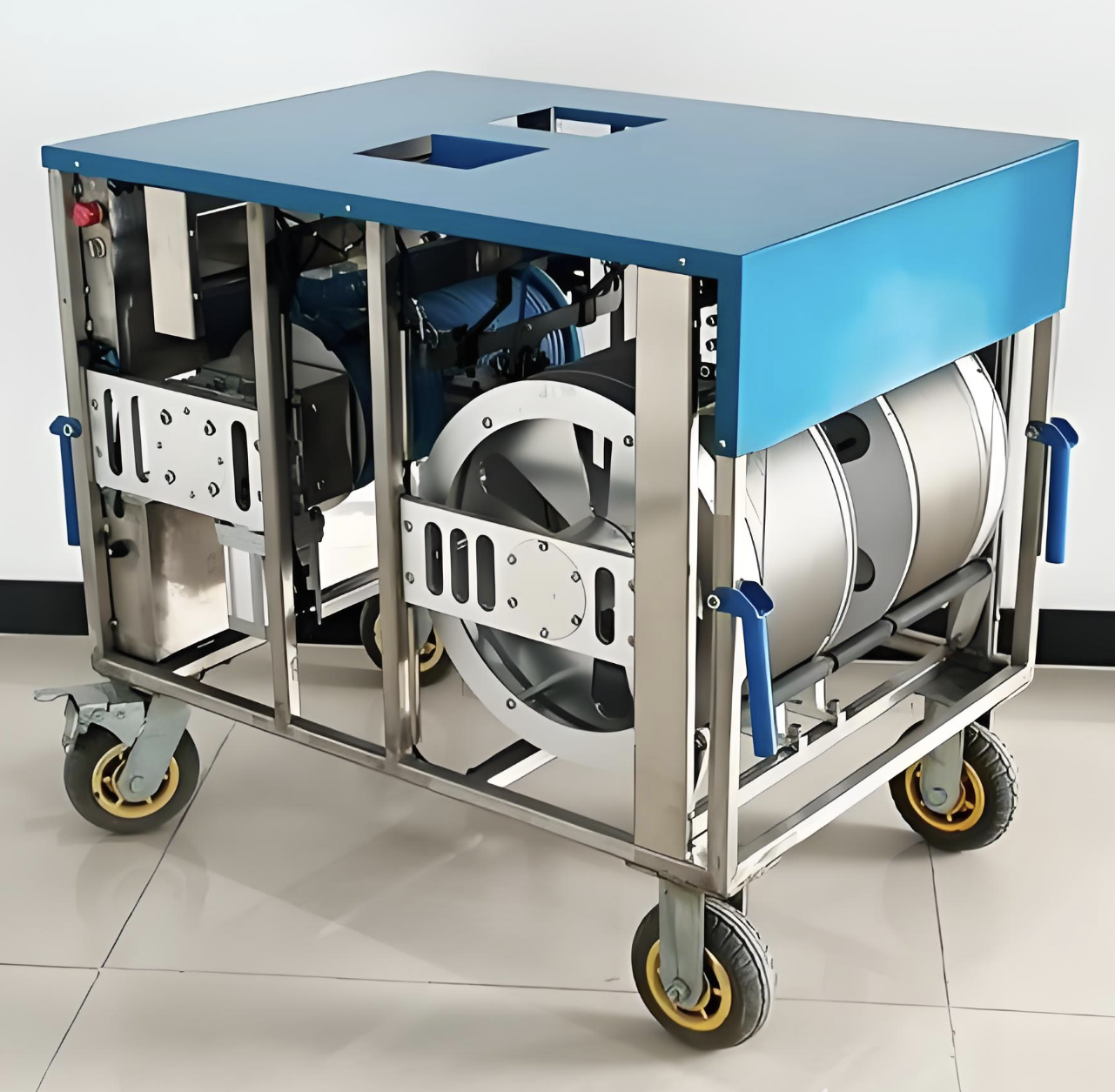


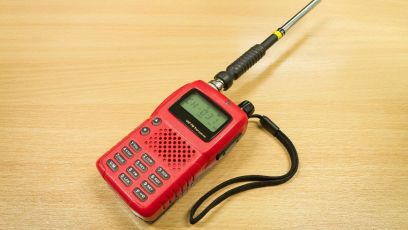
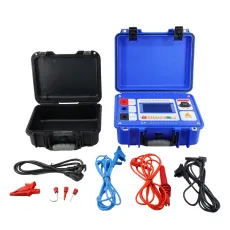
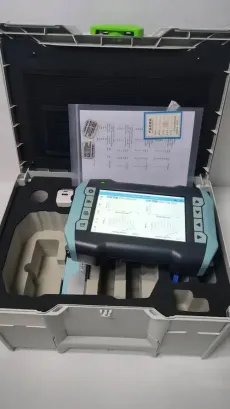

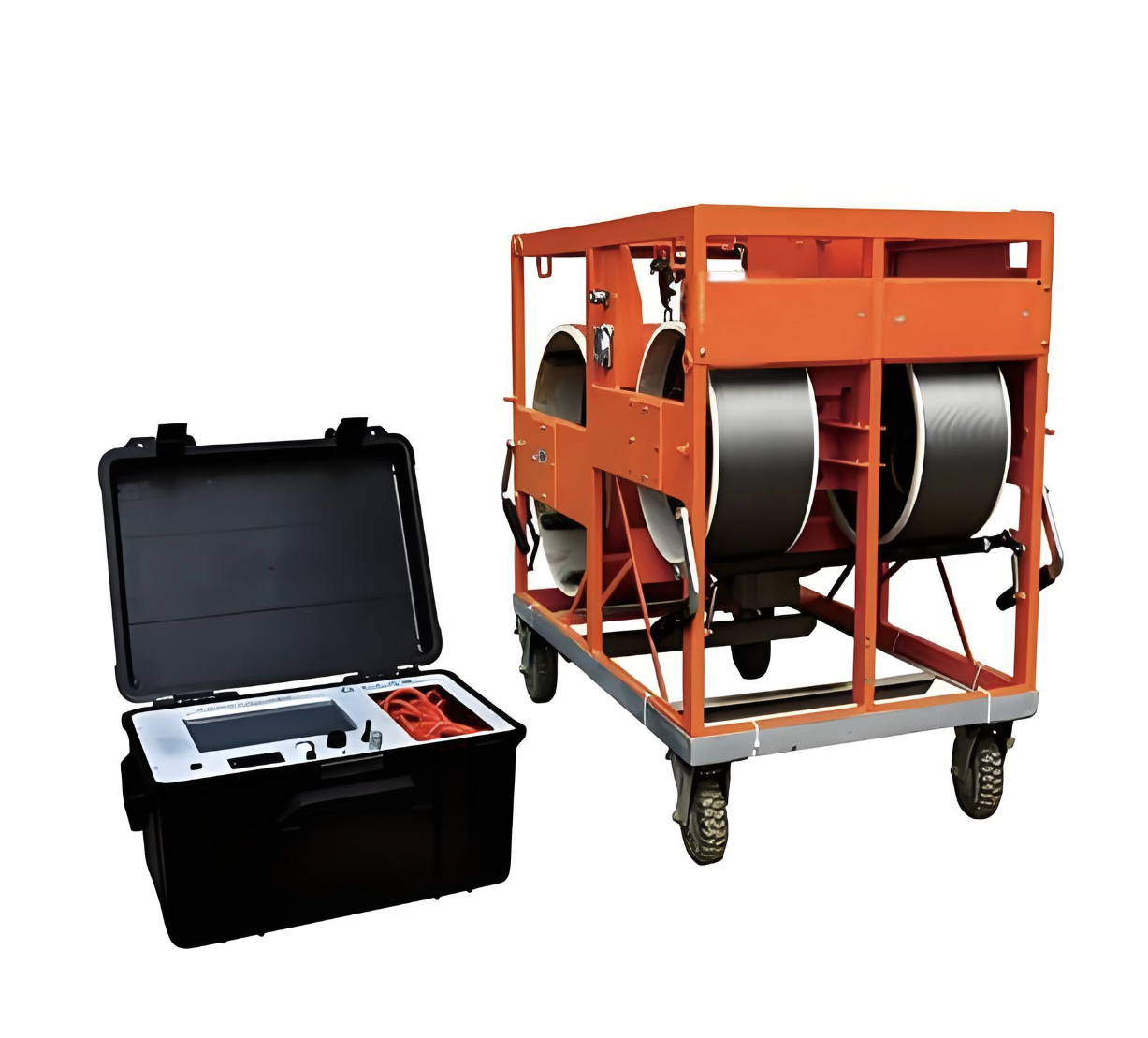
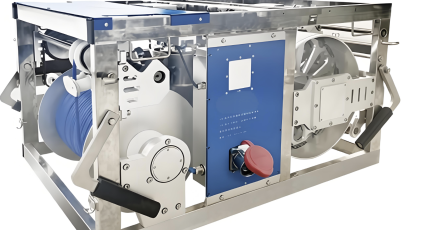
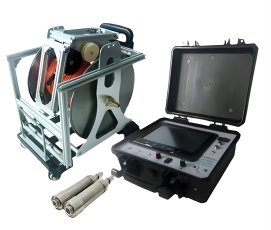
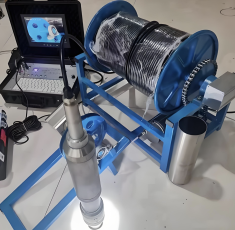
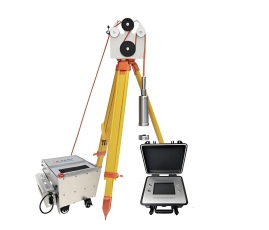
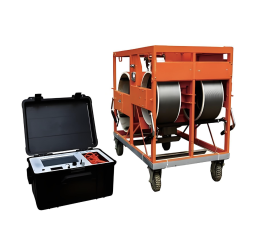
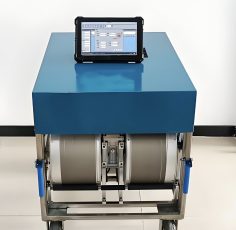
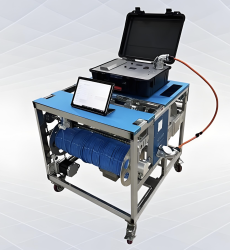
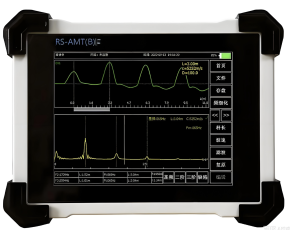
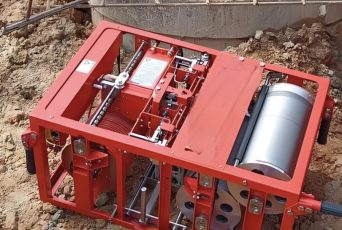
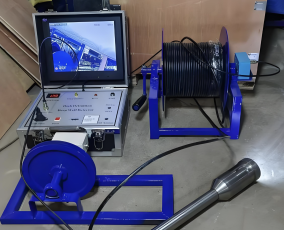
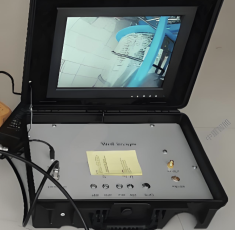
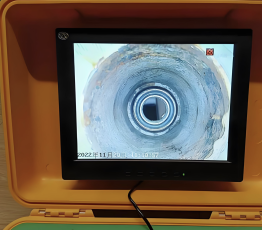
This detector adopts a professional integrated probe design, which can simultaneously detect the thickness, verticality and depth of the diaphragm wall borehole, with high detection efficiency and accuracy. It supports wired and wireless dual-mode data transmission, which can meet the needs of different construction site environments. The 10.1-inch large-size high-definition display screen supports real-time display of 3D detection models and data analysis reports, which is convenient for on-site personnel to quickly understand the detection results. The built-in professional diaphragm wall analysis software can automatically generate standard detection reports, reducing the workload of post-data processing. The forged aluminum alloy housing has good shock resistance and corrosion resistance, which can meet the needs of long-term use in harsh underground engineering environments.
The detection wall thickness range is 600-12000mm, which can meet the detection needs of most large-scale underground continuous wall boreholes. The maximum detection depth is 150m, which is suitable for deep underground continuous wall borehole detection in large-scale underground engineering. The verticality measurement accuracy is ±0.05°, which can meet the high-precision detection requirements of underground continuous wall construction. The whole machine weighs 5.6kg, which can meet the needs of multi-person cooperative operation in narrow underground construction spaces. The data storage capacity reaches 512GB, which can store all detection data of multiple large-scale projects. The interface types include USB and RJ45, which can meet the needs of local data storage and remote data transmission. The protection grade reaches IP67, which can resist dust and water erosion in underground construction environments.
It is mainly applicable to the quality detection of underground continuous wall boreholes in large-scale underground engineering fields such as subway stations, foundation pit support, underground comprehensive pipe galleries, and dam foundations. Typical use scenarios include on-site detection during underground continuous wall construction, acceptance detection before concrete pouring, and quality supervision of underground engineering construction. It can help construction personnel quickly find quality problems such as insufficient wall thickness, excessive verticality deviation, and insufficient construction depth, so as to take corrective measures in time and ensure the stability and safety of underground engineering structures.









 Post RFQ


 Chat
Chat


 ALL CATEGORIES