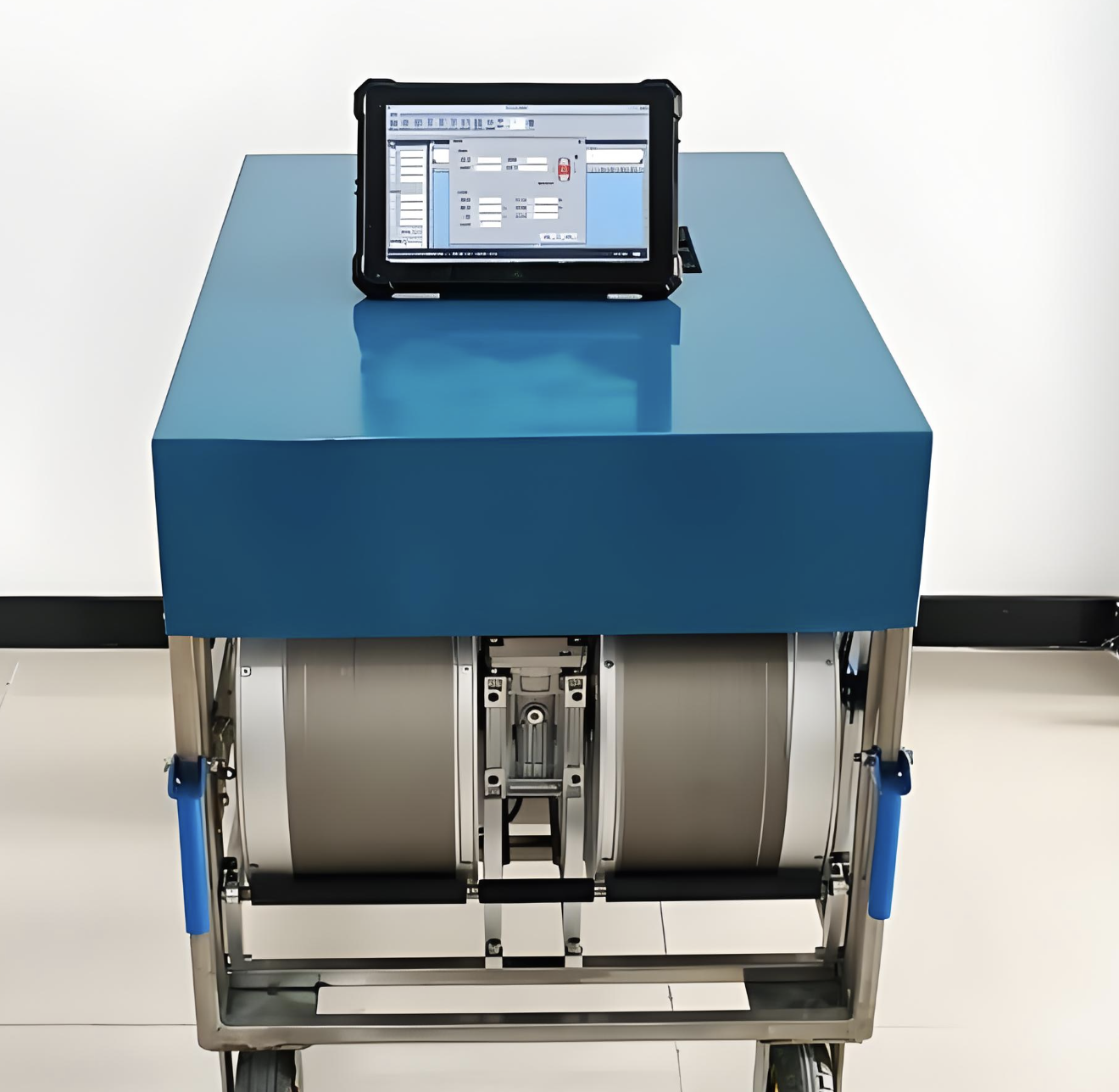
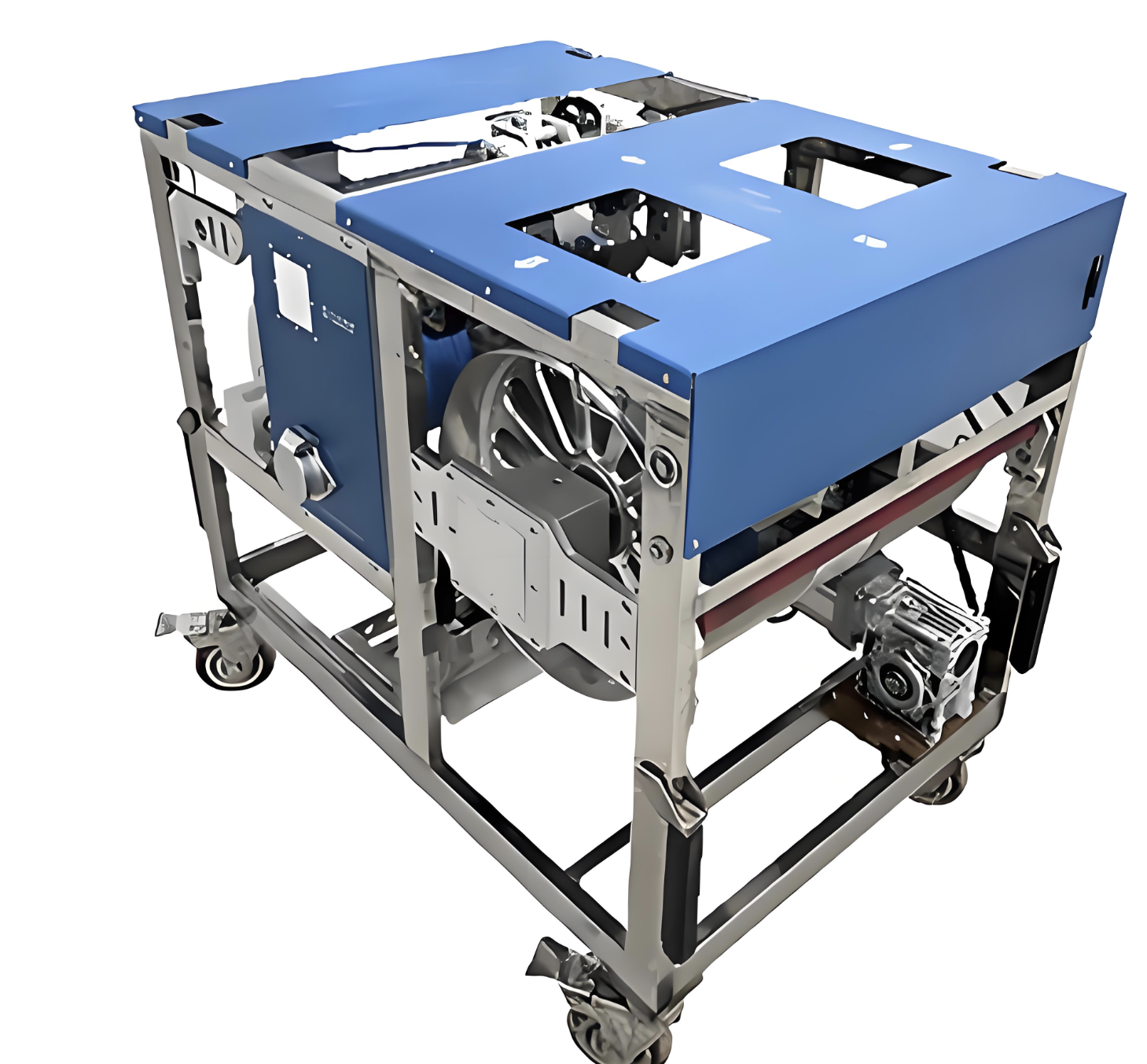


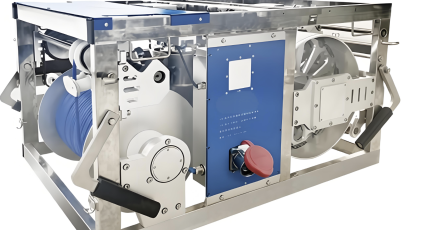
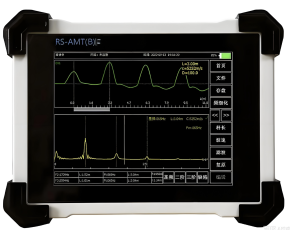
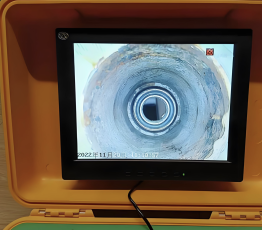
This detector adopts 4G wireless data transmission technology, which can realize real-time transmission of detection data to the professional borehole detection cloud platform, and project managers can view the detection data anytime and anywhere through mobile phones, computers and other terminals. It supports generous cloud storage, which can store all detection data for a long time, and supports data query and report generation at any time. The 7-inch high-brightness touch screen supports real-time data display and offline analysis, and the built-in high-capacity battery can last up to 10 hours, which can meet the detection needs of a whole working day. It also supports multi-terminal collaborative management, and multiple managers can view the detection data at the same time, which greatly improves the management efficiency of construction projects.
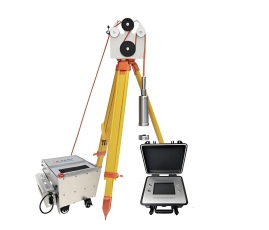
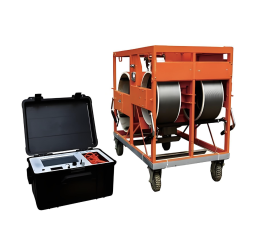
The detection aperture range is 200-3500mm, which can meet the detection needs of most conventional cast-in-place piles and anchor cable boreholes. The maximum detection depth is 120m, which is suitable for conventional construction site borehole detection. The wireless transmission distance reaches 5km in open areas, which can meet the data transmission needs of large-scale construction sites. The whole machine weighs 2.5kg, which is convenient for single-person carrying and operation. The battery life is up to 10 hours, which can meet the detection needs of a whole working day. The interface types include USB and Type-C, which can meet the needs of data import and charging. The protection grade reaches IP67, which can resist rain and dust erosion in outdoor construction sites.
It is mainly applicable to the quality detection of boreholes in large-scale construction group projects such as highway and railway hub projects, large-scale industrial parks, and offshore wind power foundations. Typical use scenarios include remote monitoring of on-site borehole detection data by project managers in the office, multi-person collaborative management of detection data of multiple construction sites, and real-time quality supervision of construction units. It can help project managers timely master the construction quality of each borehole, avoid the risk of delayed discovery of quality problems, and improve the overall management level of construction projects.









 Post RFQ


 Chat
Chat




 ALL CATEGORIES