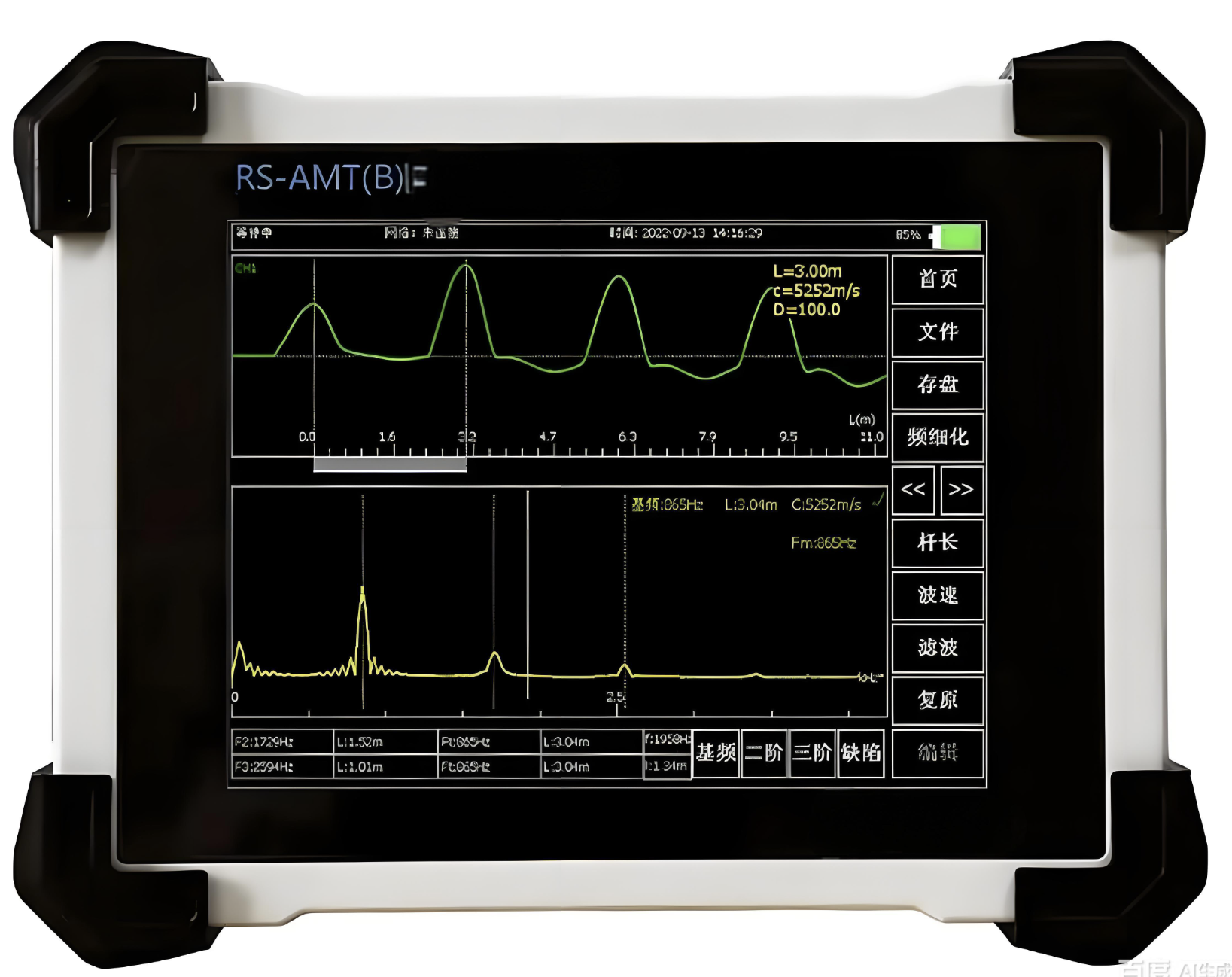
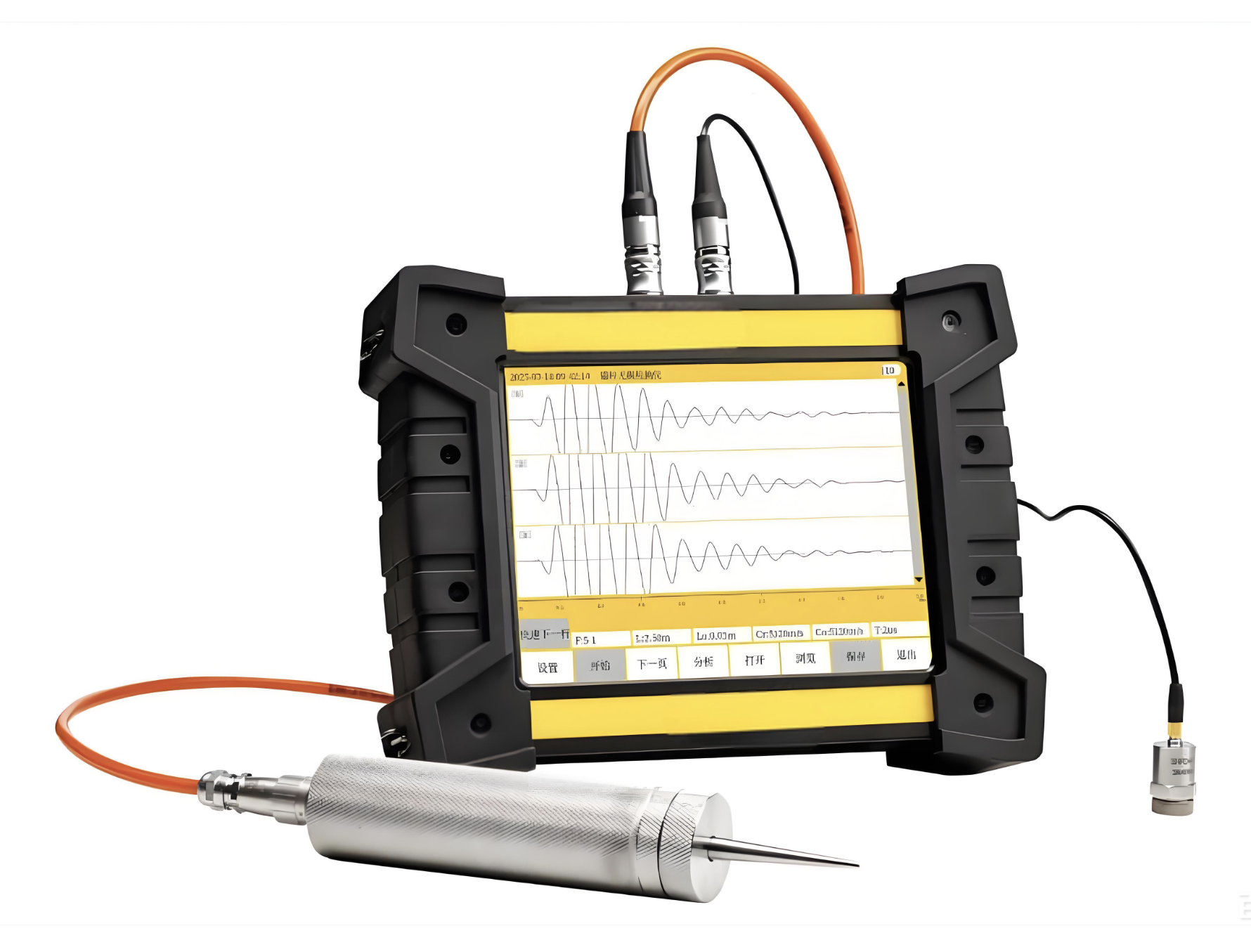


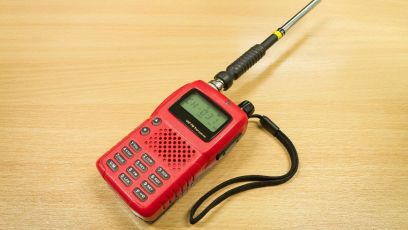
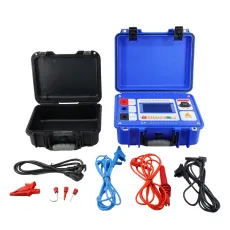
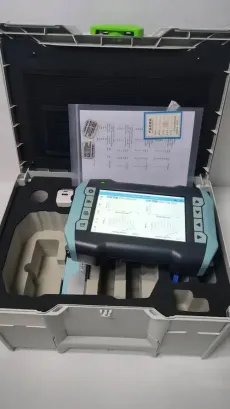

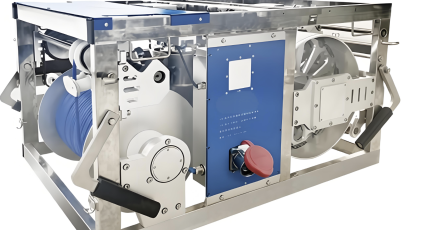
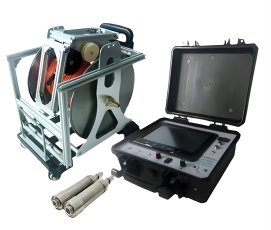
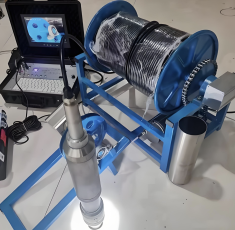
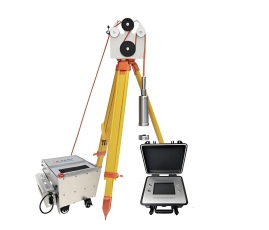
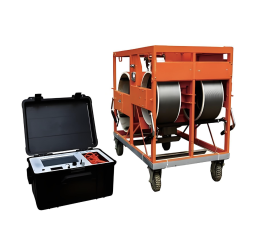
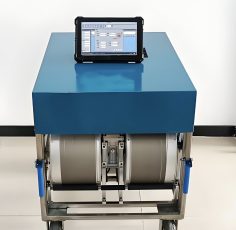
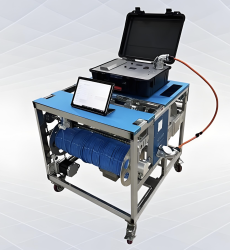
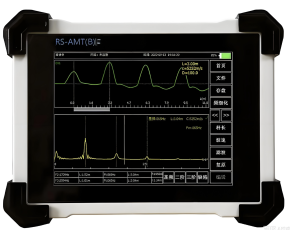
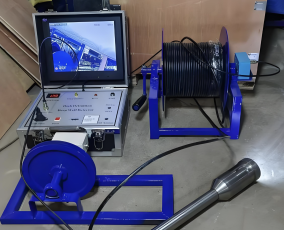
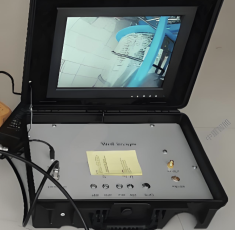
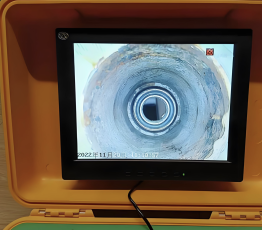
This tester integrates multiple detection functions, including aperture detection, depth detection, hole bottom sediment detection and hole inclination detection, realizing one-stop comprehensive detection of anchor cable boreholes. It adopts IP68 high-level protection design, which can be used in rainy and humid outdoor construction environments. The 8-inch high-definition display screen supports clear display of detection data and generated analysis reports, and the built-in 256GB large-capacity storage can store all detection data of multiple projects. The built-in 4G module supports real-time data transmission to the cloud platform, enabling remote management and sharing of detection data by project managers. The rechargeable lithium battery has a long service life, and the quick-charge function can realize full charge in 1.5 hours, which greatly improves the construction efficiency.
The detection aperture range is 100-2000mm, which can meet the detection needs of most anchor cable boreholes. The maximum detection depth is 200m, which is suitable for deep anchor cable borehole detection in slope support and foundation pit support projects. The detection accuracy of hole bottom sediment is ±10mm, and the inclination measurement accuracy is ±0.1°, which can meet the high-precision detection requirements of anchor cable boreholes. The whole machine weighs 2.8kg, which is convenient for multi-person cooperative operation in narrow construction spaces. The protection grade reaches IP68, which can resist water immersion and dust erosion in harsh environments. The interface types include USB and built-in 4G module, which can meet the needs of local data storage and remote data transmission.
It is mainly applicable to the quality detection of anchor cable boreholes in geotechnical engineering fields such as slope support, foundation pit support, anchor bolt support, and dam reinforcement. Typical use scenarios include on-site detection during anchor cable construction, acceptance detection before anchorage installation, and quality supervision of anchor support projects. It can help construction personnel quickly find quality problems such as excessive hole bottom sediment and excessive hole inclination, so as to adjust the construction plan in time and ensure the stability and safety of the support structure.









 Post RFQ


 Chat
Chat


 ALL CATEGORIES