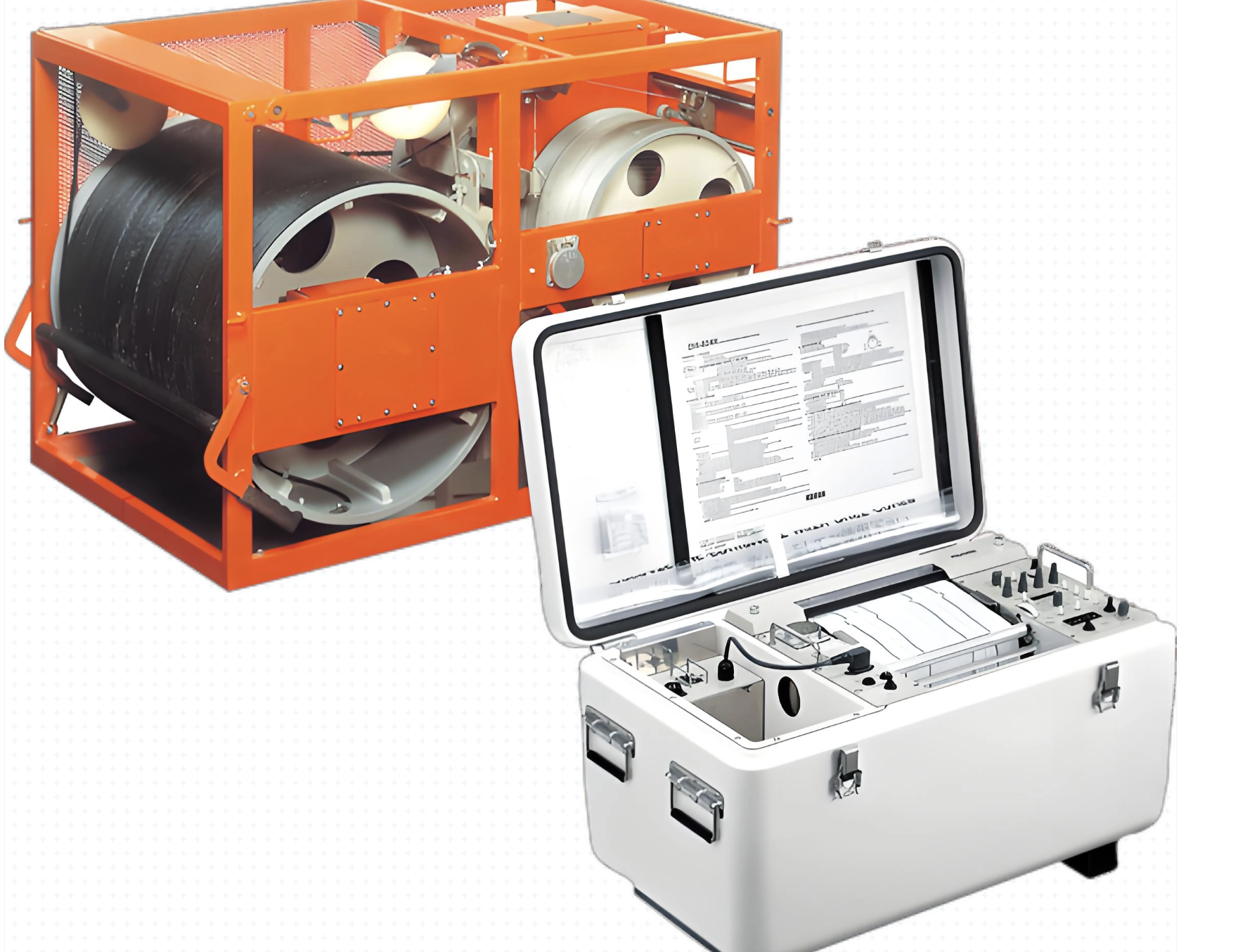
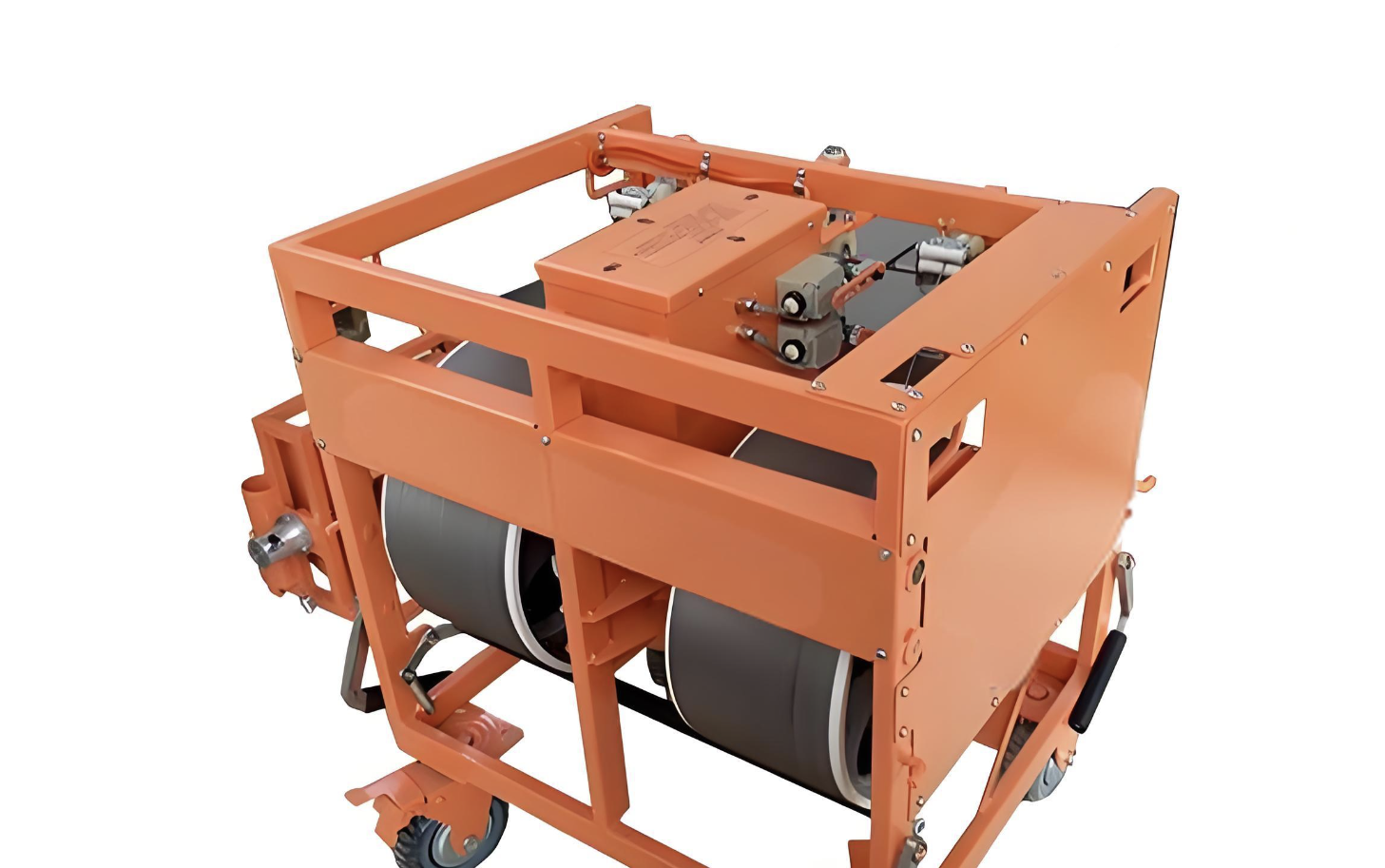


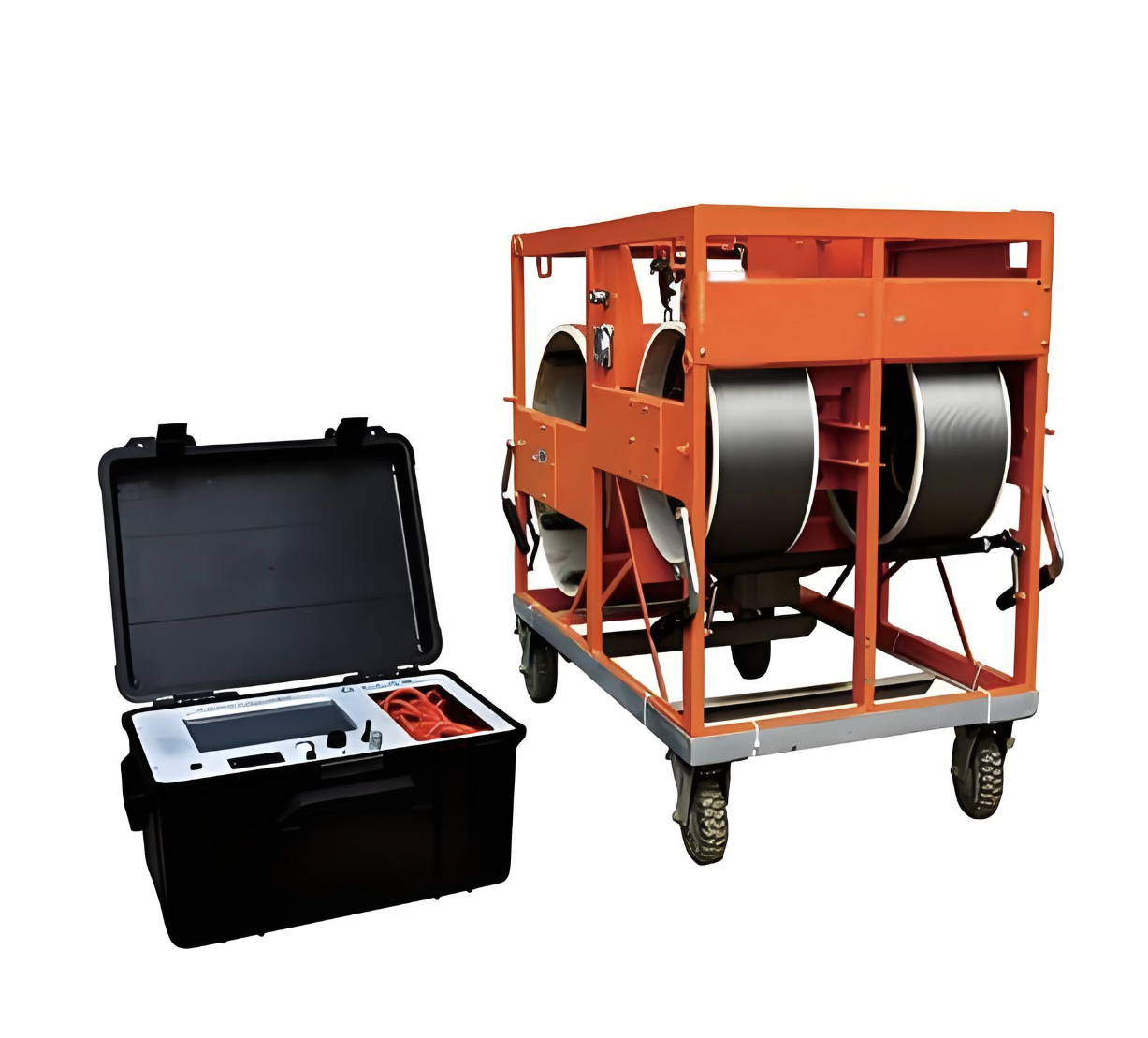
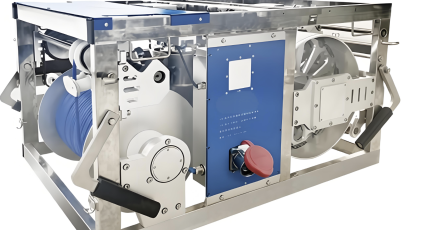
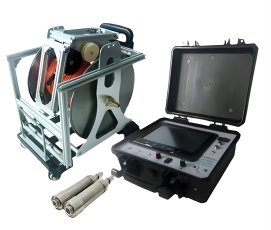
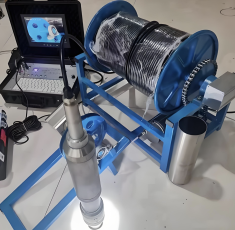
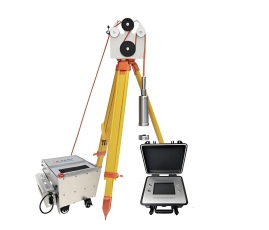
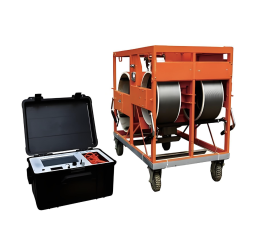
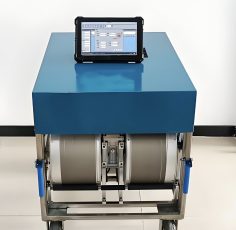
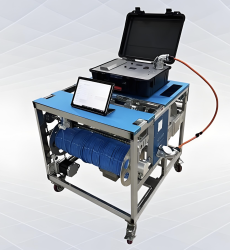
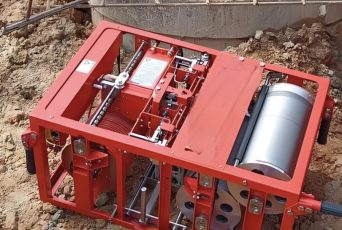
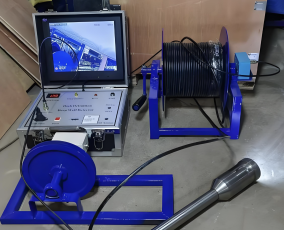
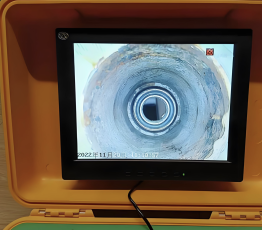
This tester uses a 16-channel phase-controlled ultrasonic probe array, which can achieve high-precision scanning of ultra-wide and ultra-deep trenches, generating 3D section models with an accuracy of ±0.2%FS. The 5G and Beidou positioning system enables real-time remote data monitoring, allowing project managers to view detection data anytime and anywhere without on-site operations. The diesel generator backup power supply ensures stable operation in construction sites without mains power supply, and the crawler walking device supports a maximum speed of 0.5km/h, facilitating rapid transfer between multiple detection points. The built-in intelligent algorithm automatically identifies abnormal conditions such as trench wall collapse and width deviation, and marks the abnormal areas in the detection report, reducing the workload of manual data analysis.
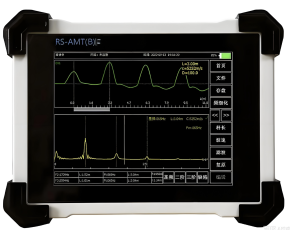
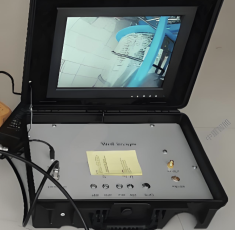
The device has a maximum detection depth of 300m, with a trench width detection range of 0.5-12m. It is equipped with an 80kHz high-frequency ultrasonic probe array, with a sampling frequency of 20kHz. The 10-inch industrial touch screen has a resolution of 2560*1600, providing clear visual data display. The diesel generator provides up to 24 hours of continuous working time, and the built-in lithium battery can provide 2 hours of emergency power supply. The overall dimensions are 2.2*1.8*2.5m, and the total weight is 680kg. It is equipped with Ethernet and USB3.0 interfaces for high-speed data transmission, and supports data export in standard engineering report formats. It complies with GB/T 50123 national standard for geotechnical test methods, and has passed CE and FCC certifications.
This tester is mainly applicable to large-scale bridge pile foundation trench detection, deep-water wharf foundation pit detection, intercity subway deep foundation pit trench detection, and nuclear power base foundation detection. It is suitable for large-scale engineering companies and professional testing institutions, providing high-precision detection data to meet the quality inspection requirements of key national infrastructure projects. It can complete large-scale detection tasks efficiently, reducing the construction risk of foundation engineering.










 Post RFQ


 Chat
Chat




 ALL CATEGORIES