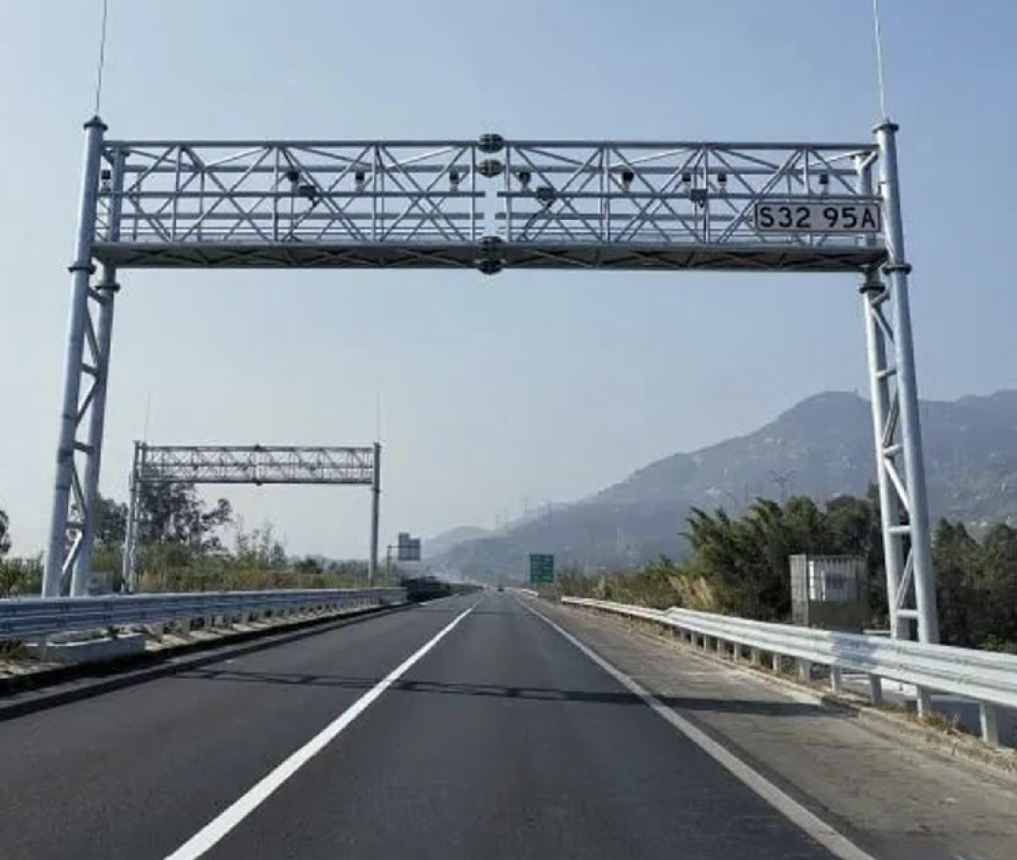
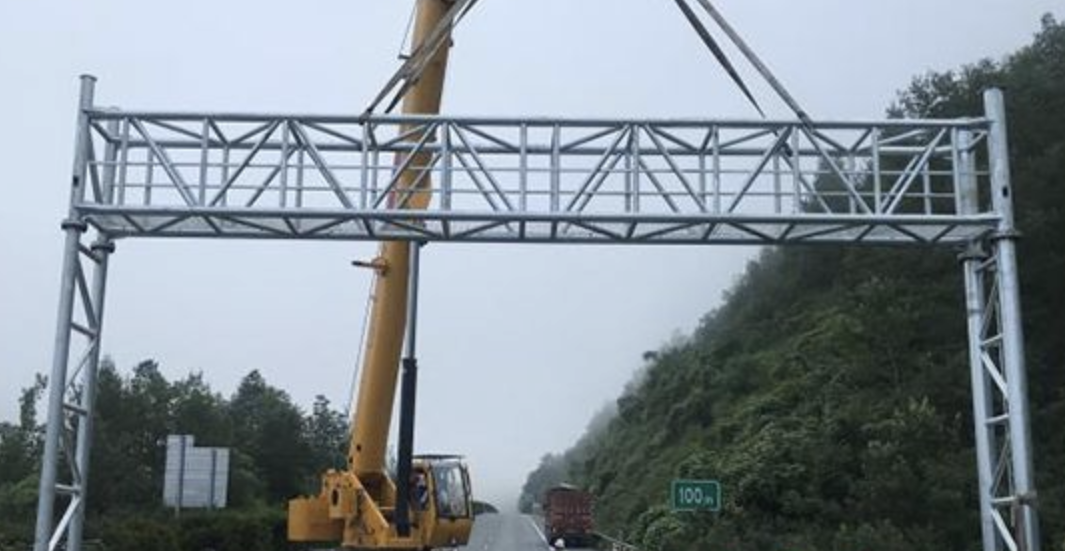





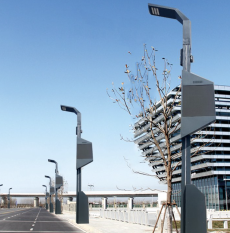
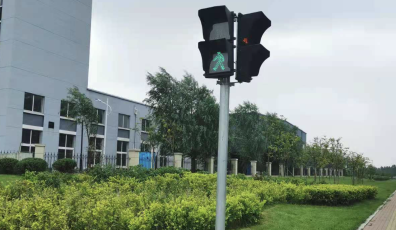
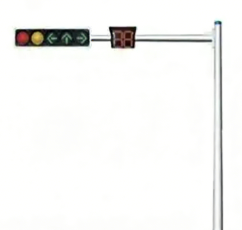
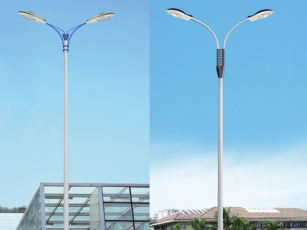
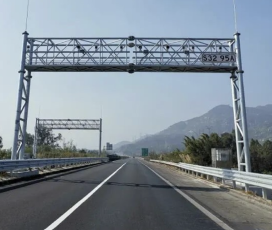
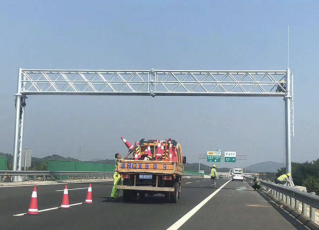
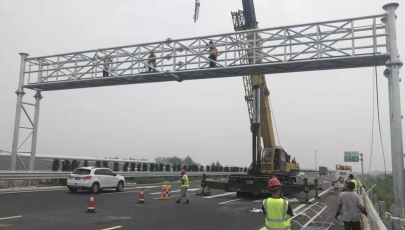
The most notable feature of this gantry pole is its 22-meter large span design, which can cover two-way 6 lanes, solving the problem of signal coverage for wide highway lanes that traditional single poles cannot address. The Q355 high-strength steel material provides 20% higher tensile strength than Q235, withstanding wind speeds of up to 150 km/h to resist category 3 typhoons. The hot-dip galvanized + epoxy coating dual anti-corrosion treatment ensures long-term durability in open-air highway environments, resisting dust, rain, and ultraviolet radiation. The modular splicing design allows on-site assembly without large welding equipment, reducing road closure time during installation by 70% and minimizing impact on highway traffic flow. It also features adjustable signal mounting positions, allowing engineers to optimize signal visibility for high-speed vehicle drivers.
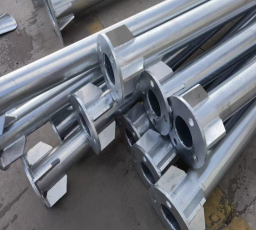
This overhead gantry signal pole has a total span of 22 meters and an overall height of 5 meters. The main beam has a 12mm wall thickness, with a rectangular cross-section of 400mm*200mm. The two supporting columns have a 450mm diameter and a 10mm wall thickness. The total weight of the gantry is approximately 2800 kilograms. It has a wind resistance rating of 150 km/h and a design lifespan of 35 years. The hot-dip galvanized layer has a minimum thickness of 120μm, and the epoxy coating layer is at least 80μm thick, passing a 1500-hour salt spray test. The maximum load capacity of the gantry is 1200 kg, capable of mounting 6 sets of traffic signals and other highway equipment. The mounting method is flange-fixed, requiring a 2.5-meter deep concrete foundation for each column. It has an IP67 protection rating for outdoor use.
This gantry pole is primarily used for highway toll stations, interchange ramps, interval speed measurement sections, expressway service area entrances, and urban expressway overpasses, where wide lane coverage is required. In highway toll station projects, it can be integrated with ETC systems to control signal timing based on vehicle flow, reducing toll station congestion. In interval speed measurement sections, it can mount speed cameras and electronic display boards to display real-time speed information to drivers, improving highway traffic safety. It is also suitable for new expressway construction projects and old highway expansion projects, where it can replace multiple traditional poles to optimize highway infrastructure layout and reduce long-term maintenance costs.









 Post RFQ


 Chat
Chat


 ALL CATEGORIES