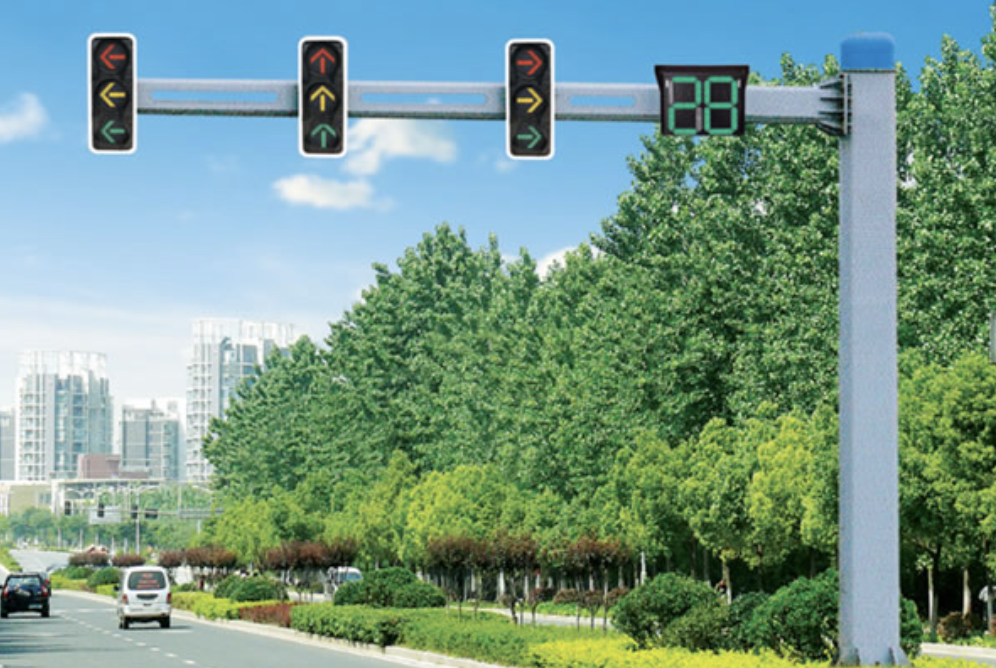






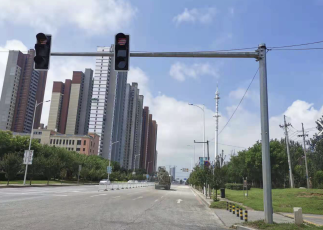
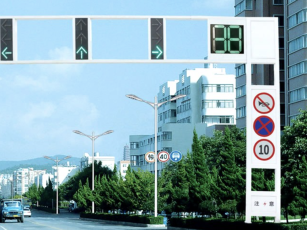
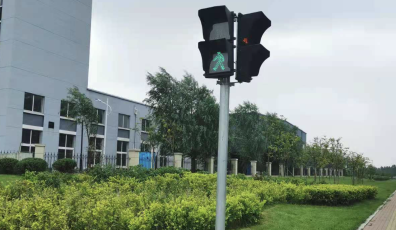
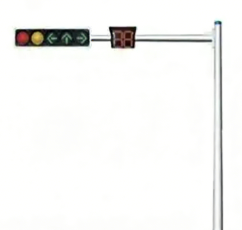
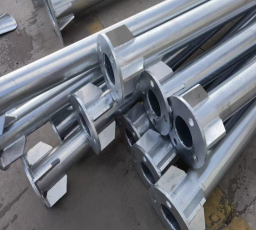
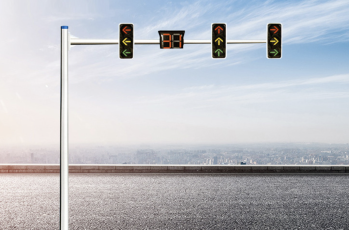
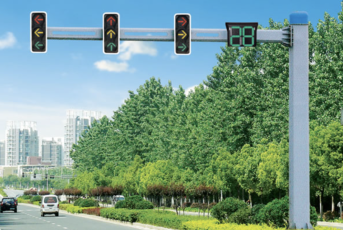
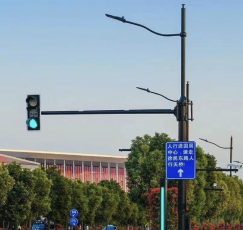
The octagonal cross-sectional structure is a key highlight of this signal pole, offering strong bending and torsion resistance compared to round poles, which ensures stability even in strong wind gusts up to 120km/h. The hot-dip galvanization process provides reliable corrosion protection, preventing rust and extending the pole’s lifespan by up to 20 years, while the top-layer polyester powder coating adds an extra barrier against UV rays and environmental pollutants. The single-arm extension (3m) is precisely calibrated to position traffic signals at a suitable height and angle for unobstructed visibility, helping reduce blind spots for drivers. Additionally, the flange base mounting system simplifies installation and allows for quick replacement or maintenance without disrupting traffic flow. Customizable color options enable municipalities to match the pole to local urban aesthetics, and the 10-year warranty supports long-term reliability and reduced operational costs.
This signal pole has a total height of 6.5m, with an octagonal pole body ranging from 160mm to 220mm in diameter and a wall thickness of 5mm. The single arm extends 3m horizontally, with a diameter of 114mm and wall thickness of 4mm. Made from high-quality Q235 carbon steel, it undergoes hot-dip galvanization in a zinc bath at 450°C, followed by a 60-80μm thick polyester powder coating for surface protection. The wind resistance rating is 120km/h, meeting GB 50009-2012 wind load standards. The flange base measures 400mm x 400mm with 8 M24 anchor bolts for secure mounting. Traffic signal brackets are pre-welded to the arm, compatible with standard 300mm and 400mm signal heads. The pole’s surface is smooth and free of burrs, with a glossiness level of 60±5 units. It supports up to 150kg of load on the arm, including signal lights and wiring components.
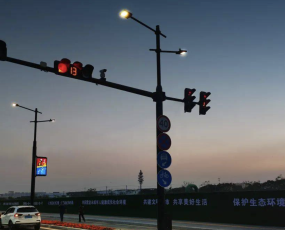
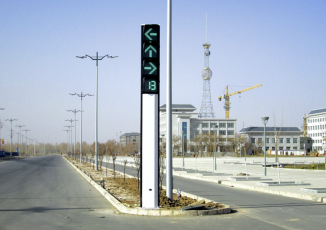
This octagonal single-arm signal pole is a popular and practical signal solution widely applied in urban municipal scenarios, including busy main roads, one-way street intersections, and commercial district traffic hubs where single-direction traffic flow management is critical. It is also suitable for suburban arterials with moderate traffic volume, providing clear signal guidance for passenger cars, buses, and light commercial vehicles. In areas with frequent rain, snow, or strong winds, its high wind resistance and corrosion protection make it a reliable choice for year-round operation. Municipal transportation departments often deploy this pole in new urban development projects or road renovation initiatives to upgrade outdated signal infrastructure. Additionally, it can be paired with solar-powered signal lights in off-grid urban fringe areas, offering an eco-friendly traffic management solution that reduces energy use.









 Post RFQ


 Chat
Chat


 ALL CATEGORIES