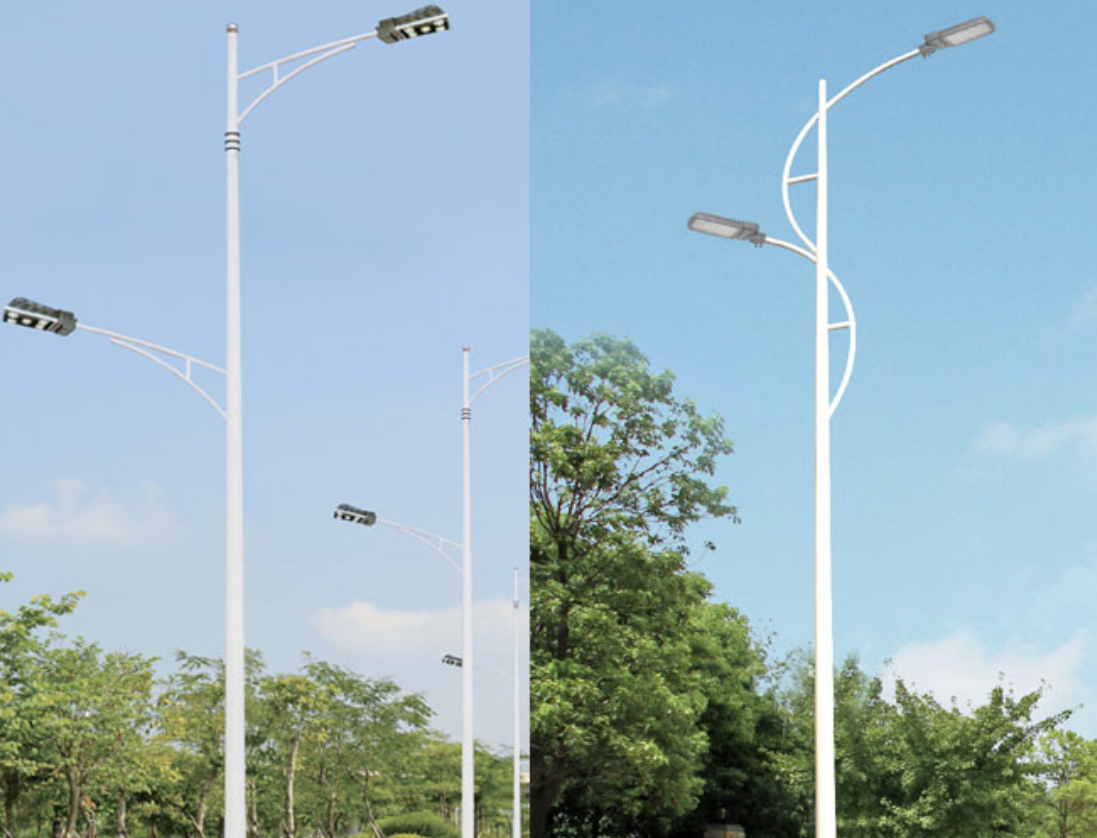
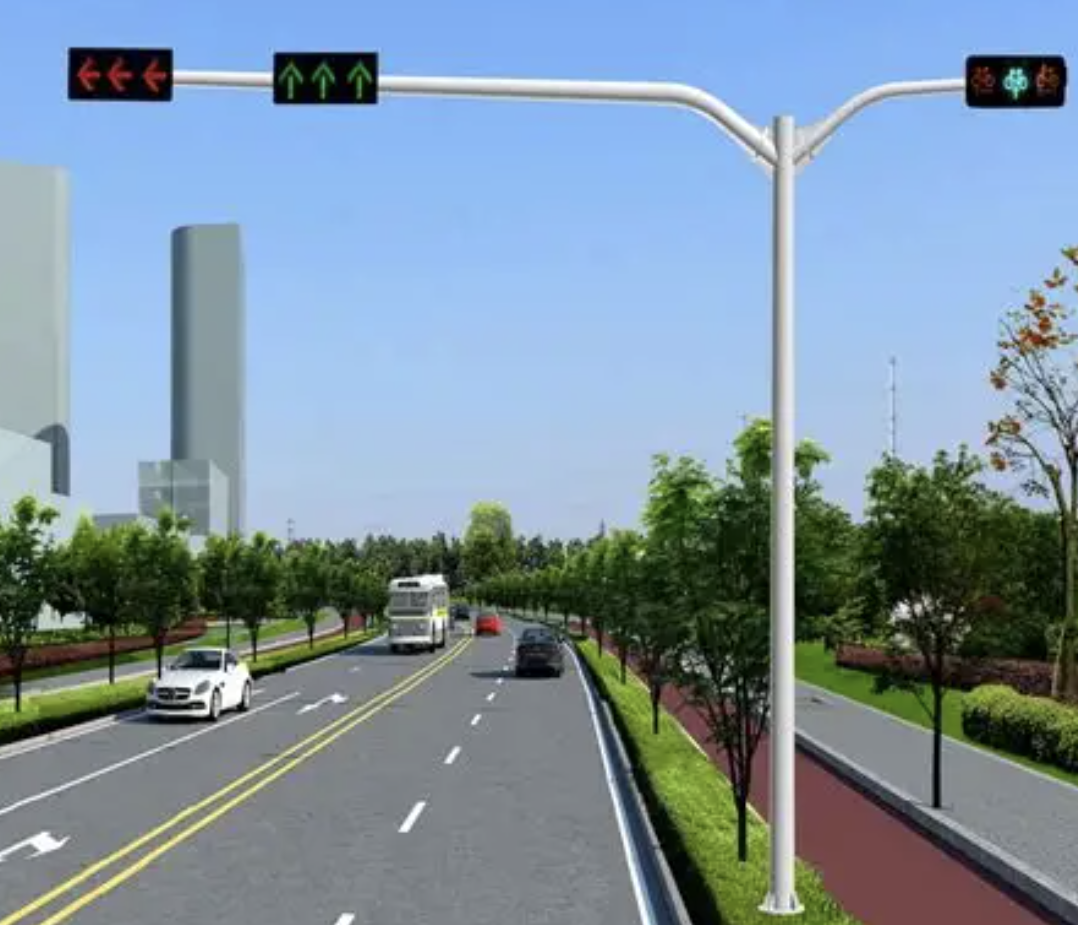





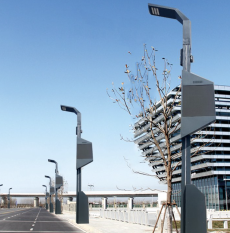
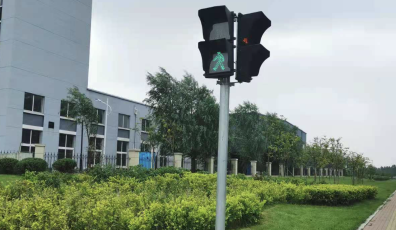
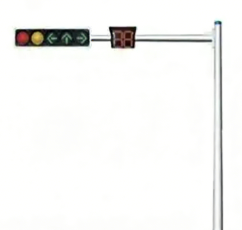
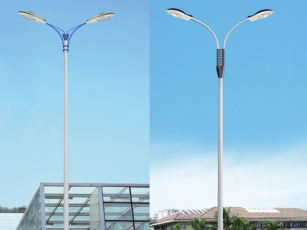
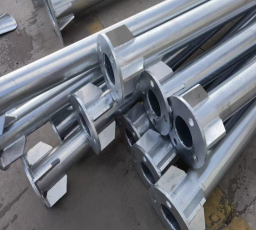
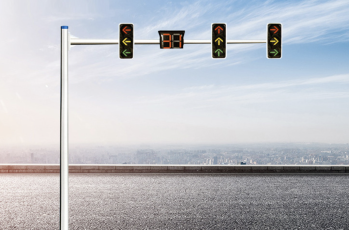
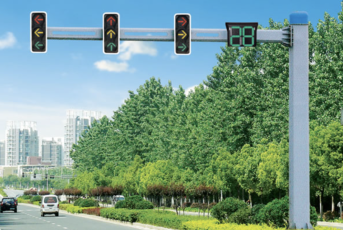
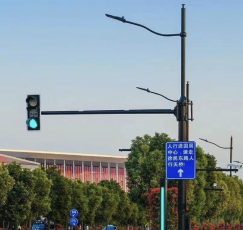
The tapered structural design is the core advantage of this signal pole, distributing wind load evenly from top to bottom to achieve a 140km/h wind resistance rating, which exceeds standard urban signal pole requirements. Made from high-strength Q345 carbon steel, it can support heavier signal loads compared to Q235 steel, making it suitable for mounting additional devices like speed cameras or road signs. The hot-dip galvanization process ensures full coverage of the pole’s surface, including internal cavities, to prevent rust and corrosion, while the architectural powder coating provides a durable, fade-resistant finish available in custom RAL colors. The double-arm configuration (2.5m each side) positions signal heads at optimal heights for both left and right lanes, eliminating visibility issues for large vehicles such as trucks and buses. The embedded foundation mounting system provides exceptional stability, making it ideal for areas with soft soil or high seismic activity.
This tapered signal pole has a total height of 7m, with a pole body that tapers from 120mm at the top to 220mm at the bottom, featuring a uniform wall thickness of 6mm. Each of the two symmetric arms extends 2.5m horizontally, with a diameter of 127mm and wall thickness of 5mm. Constructed from Q345 high-strength carbon steel, it undergoes a 60-minute hot-dip galvanization process followed by a 70μm thick architectural powder coating. The wind resistance rating is 140km/h, compliant with ASTM E1886 wind load standards. The embedded foundation requires a 1.5m deep concrete pit, with 10 M28 anchor bolts for secure installation. The pole can support a total load of 300kg across both arms, including signal lights, wiring, and auxiliary devices. The surface finish has a glossiness level of 70±5 units, and all welds are ground smooth and coated to prevent corrosion. The pole is pre-drilled for wiring channels, simplifying signal installation and maintenance.
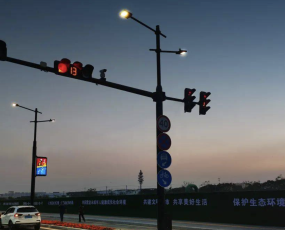
The Tapered Double-Arm Traffic Signal Pole is specifically designed for wide urban intersections, bidirectional arterial roads, and commercial zones with heavy two-way traffic. It is widely used in Euro-American cities and is increasingly adopted in domestic new urban districts aiming for modern, international-style infrastructure. This pole is also suitable for suburban expressway intersections, where it can guide traffic between urban and suburban areas efficiently. In coastal cities with strong sea winds, its high wind resistance rating ensures stable performance during typhoons and storms. Additionally, it can be integrated with smart signal control systems to adjust timing based on real-time traffic data, optimizing traffic flow and reducing congestion. Municipalities often select this pole for scenic urban roads, as its sleek tapered design enhances the area’s visual appeal while maintaining functional traffic management capabilities.









 Post RFQ


 Chat
Chat


 ALL CATEGORIES