

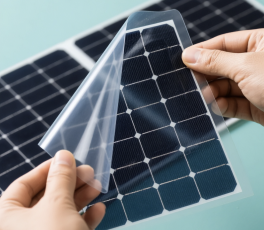


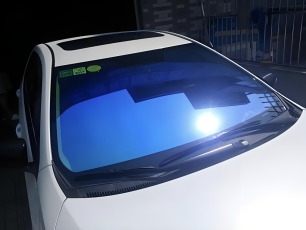
This product adopts multi-layer optical vacuum coating technology to achieve low visible light reflectivity (≤15%), avoiding the light pollution problem caused by traditional high-reflective heat insulation films and meeting the environmental protection requirements of urban buildings. At the same time, it has a low solar heat gain coefficient of 0.25, which can reduce 88% of solar radiation heat from entering the room, reducing the summer air conditioning load by more than 30% and helping building owners save energy costs. It is equipped with an explosion-proof reinforcement layer, which can adhere the broken glass fragments to the film layer when the glass is broken by external force, reducing the risk of high-altitude falling objects and improving living and office safety. In addition, it has a 99% ultraviolet blocking rate, effectively delaying the aging and fading of indoor decorations such as curtains, furniture and carpets and extending their service life.
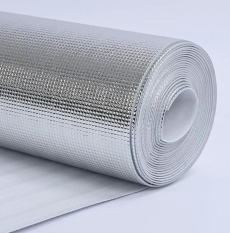
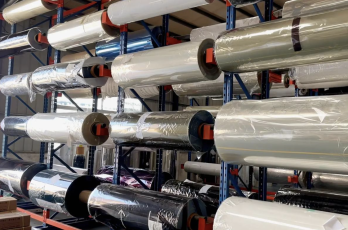
The standard size of this heat insulation film is 100 inches wide × 50 feet long, supporting custom cutting according to the window sizes provided by users. The total thickness is 4mil, of which the explosion-proof layer is 1mil, the coating layer is 0.2mil and the base material is 2.8mil. The visible light transmittance ranges from 40% to 75%, which can adjust the daylighting and privacy level according to user needs. The temperature resistance range is -30℃ to 90℃, which can adapt to extreme climate conditions in different regions. It has passed the Class B1 fire rating certification of the National Fireproof Building Materials Quality Supervision and Inspection Center, meeting domestic building safety specifications. It can be installed by dry or wet construction technology, adapting to the installation needs of different scenarios.
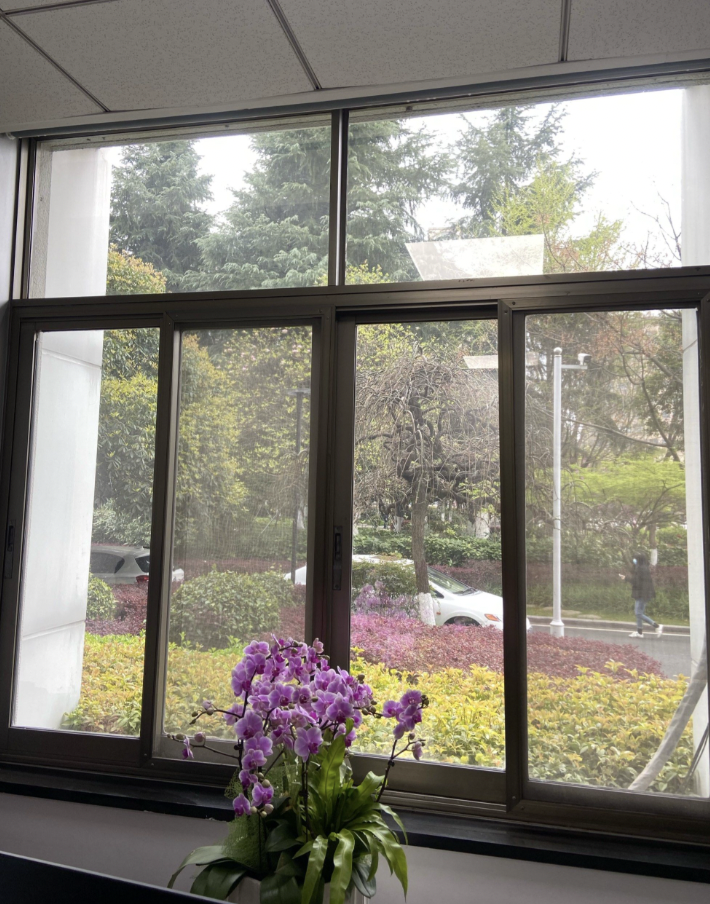
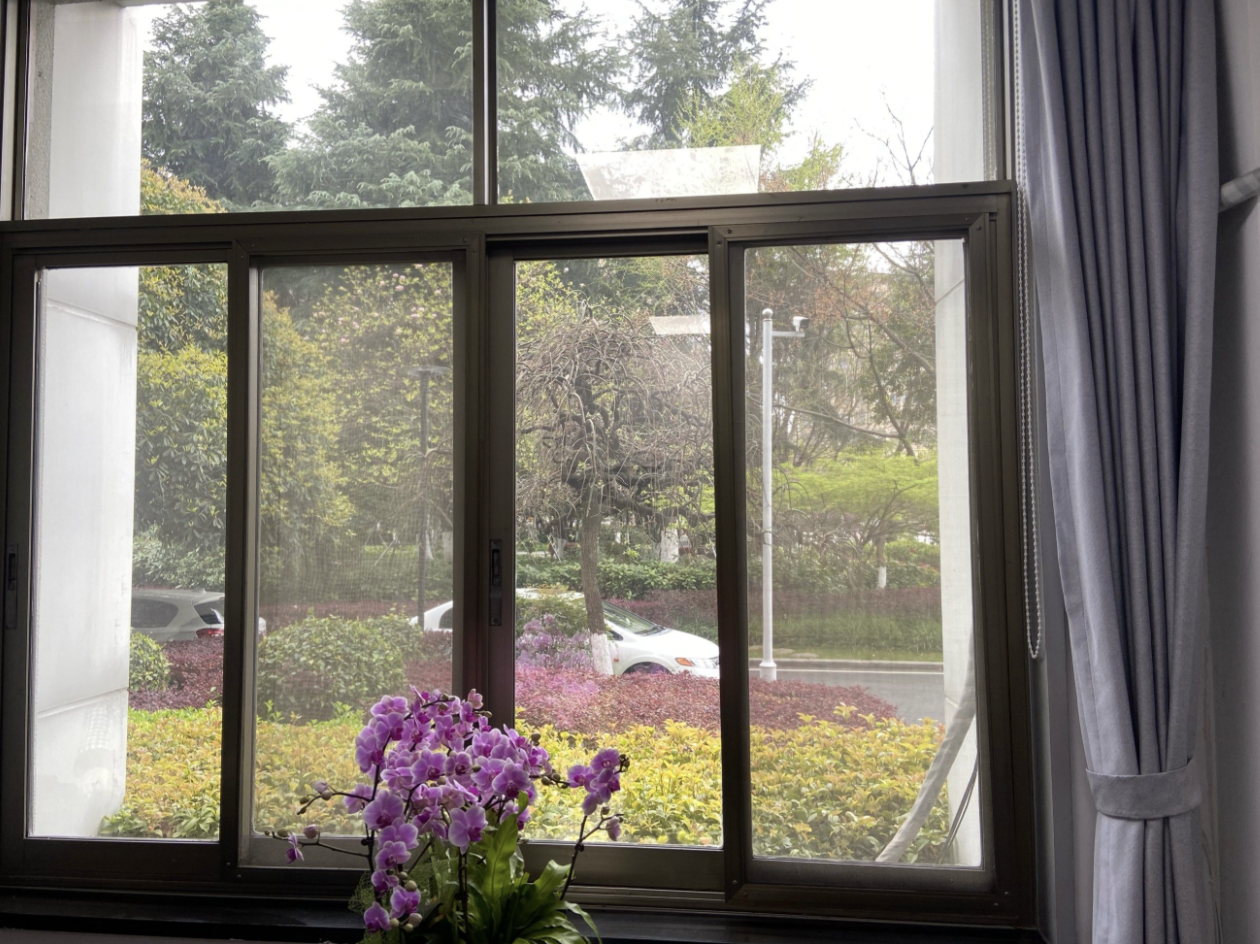
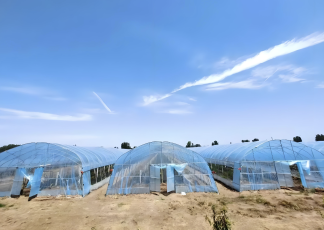
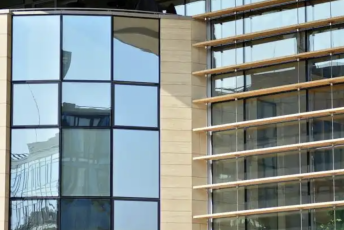
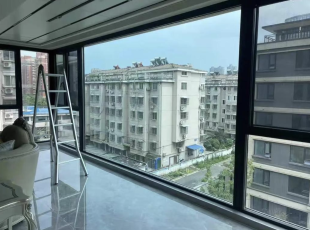
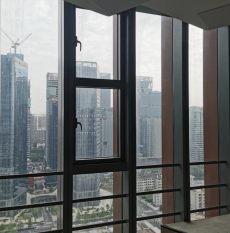
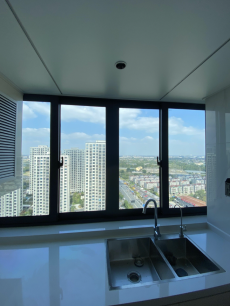
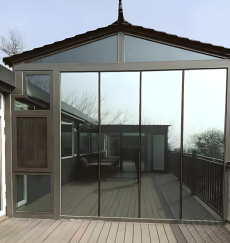
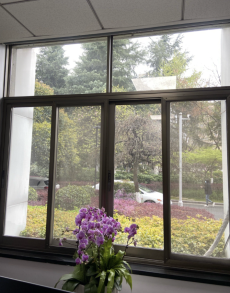
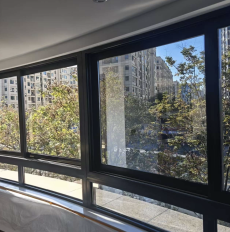
This product is mainly suitable for window glass tinting of commercial office buildings, high-rise residences, schools, hospitals and other buildings, including flat-opening windows, sliding windows and curtain wall glass. The target user groups include real estate developers, property operation companies, interior decoration enterprises, residential owners and so on. Typical usage scenarios include building energy-saving renovation in high-temperature areas in summer, which can effectively reduce indoor temperature and reduce air conditioning operating time; it can be used in public places such as hospitals and schools to protect indoor personnel from ultraviolet damage while improving indoor daylighting; it can improve the explosion-proof safety performance of glass for high-rise buildings and reduce the risk of high-altitude falling objects.








 Post RFQ


 Chat
Chat


 ALL CATEGORIES