Basic Info
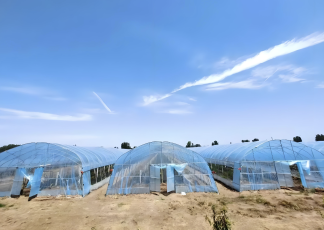
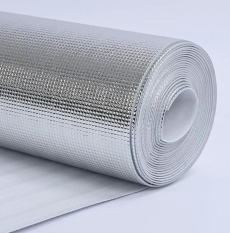
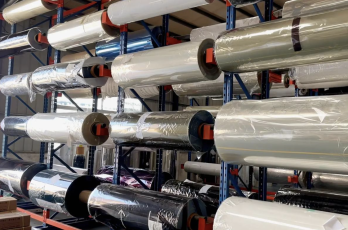
This smart temperature-regulating insulation film for greenhouses is designed for agricultural greenhouses, vegetable greenhouses and flower greenhouses. Through the spectral selective coating process, it can selectively transmit photosynthetically active radiation required for plant growth while blocking infrared solar radiant heat, achieving the intelligent temperature regulation effect of cooling in summer and heat preservation in winter. Compared with traditional greenhouse plastic films, it can reduce the temperature fluctuation inside the greenhouse, provide a more stable growth environment for crops, and has anti-drip function to avoid condensate dripping from affecting crop growth, improving crop yield and quality.
Customer reviews

Jessica Lin · Hydroponics Specialist
In our vertical hydroponic farm, consistent temperature is critical. This film maintains perfect 22°C root zone temperatures despite external fluctuations. The anti-condensation surface prevents water droplet issues we had with cheaper films. After calculating ROI, we're retrofitting all 12 grow towers - the 11-month payback period speaks for itself.
Michael Rodriguez · Organic Farm Owner
Transitioning to year-round organic production was challenging until we installed this system. The film's diffused light property prevents plant scorching while maintaining warmth. Our winter tomatoes now match summer quality. Customer service deserves mention - when we had installation questions, their agronomist video-called to walk us through optimization.
Sarah Williamson · Botanical Research Scientist
For our climate change studies on plant resilience, this film provides laboratory-grade temperature control at field scale. The data logging feature helps track minute thermal variations affecting plant growth. We've published two papers using its stable thermal environments. The UV-stabilized material shows no degradation after 18 months of continuous use.
Product Description
Product features:
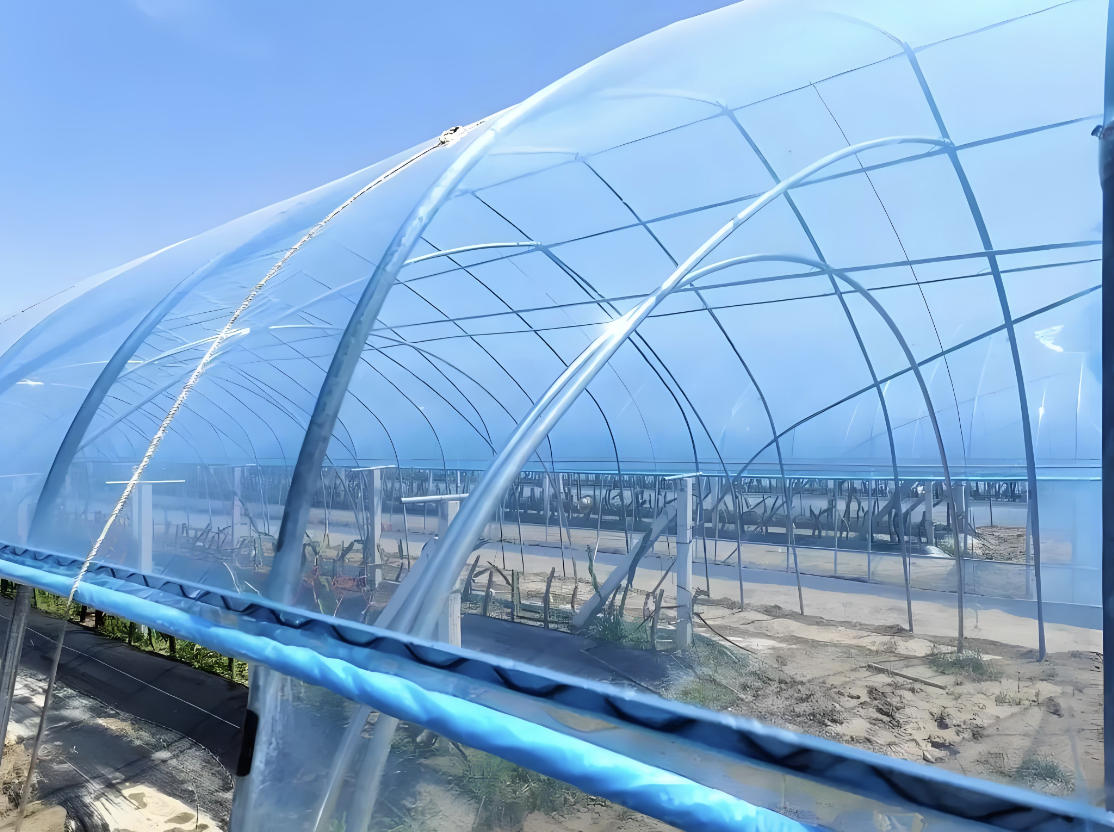
The core advantage of this greenhouse insulation film lies in the spectral selective co-extrusion process, which can allow 90% of photosynthetically active radiation to pass through to ensure normal photosynthesis of crops, while blocking 75% of solar infrared thermal radiation, solving the pain point of crop burns caused by excessive internal temperature in traditional greenhouse films in summer. It comes with an anti-drip coating, which can reduce the formation of condensate on the inner surface of the film and avoid water droplets dripping to damage crops or cause diseases. The tear strength reaches 60 N/mm, which can resist the impact of severe weather such as strong winds. The product uses environmentally friendly PE materials that can be recycled, meeting the green agricultural production standards, and has flexible installation methods to adapt to different structures of greenhouse sheds.
Product specifications:
The film material has a thickness of 6mil, uses co-extruded multi-layer polyethylene base material, the photosynthetic photon flux transmittance is 90%, the infrared thermal insulation rate is 75%, the UV block rate reaches 98%, the tear strength is 60 N/mm, the operating temperature range is -20℃ to 70℃, and the anti-drip coating can remain effective for more than 3 years. Each roll has a size of 2.0 meters wide and 50 meters long, which can be cut into different sizes according to needs, adapting to the covering requirements of arched greenhouses, multi-span greenhouses and single greenhouses, and meets the GB/T 10003 plastic film test standard.
Product application:
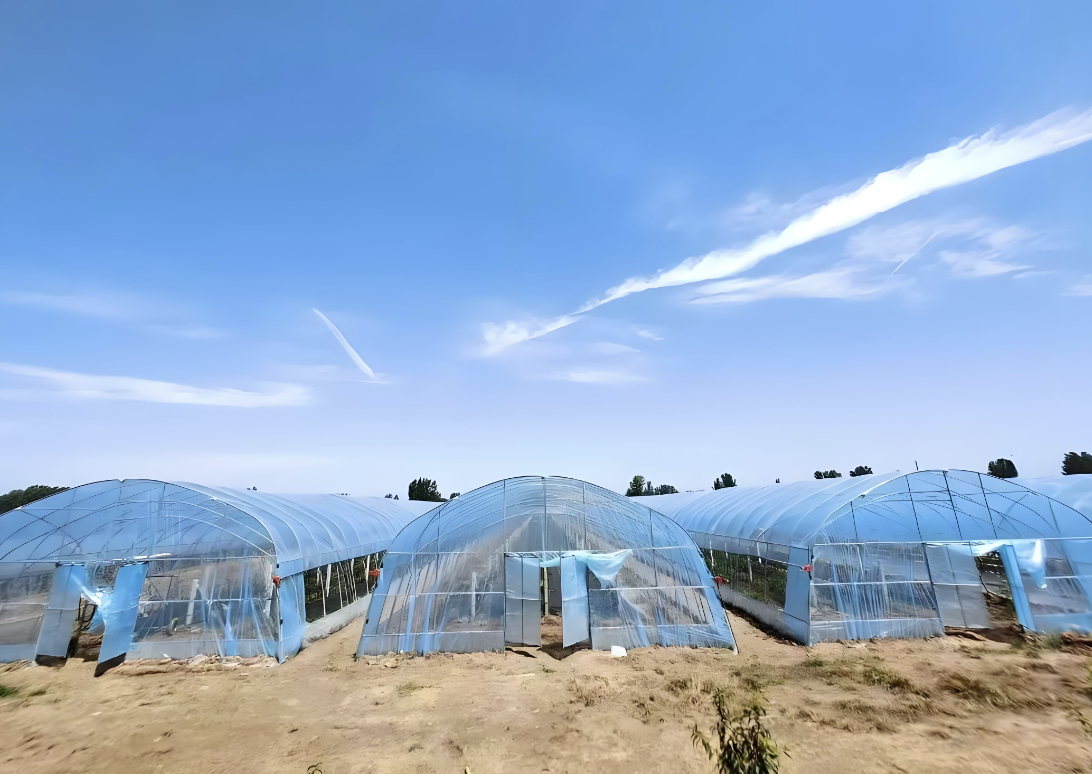
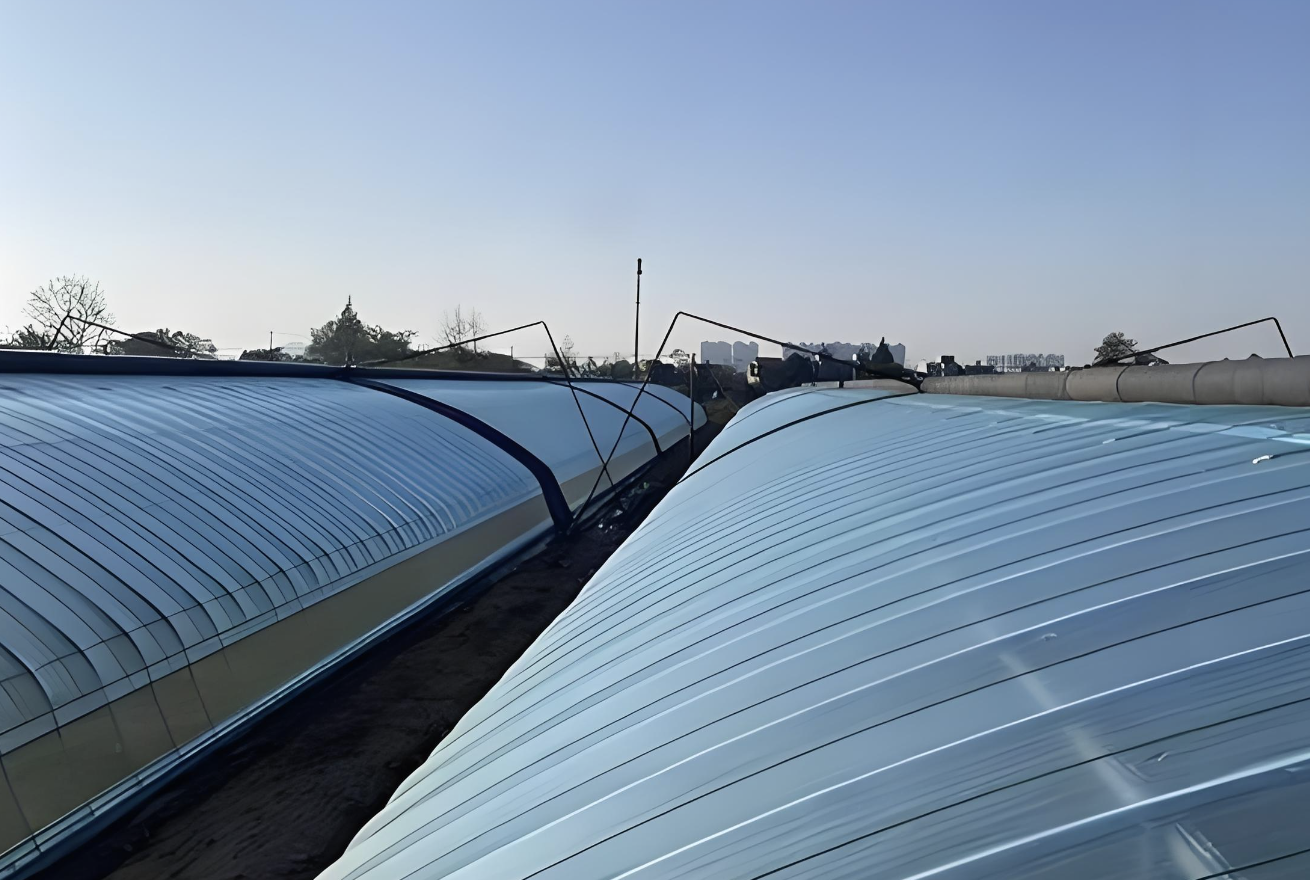
It is mainly applicable to agricultural planting scenarios such as vegetable greenhouses, flower greenhouses, seedling greenhouses and medicinal plant planting greenhouses, and can also be used for temperature regulation of aquaculture greenhouses and edible mushroom planting sheds. In summer, it can reduce the internal temperature of the greenhouse by blocking infrared thermal radiation, reducing the energy consumption of ventilation and cooling; in winter, it can retain indoor heat and increase the internal temperature of the greenhouse, reducing heating costs. Its anti-drip function can avoid condensate dripping, reduce the incidence of crop diseases, improve crop yield and quality, and meet the production requirements of organic agriculture.
Frequently Asked Questions (FAQ)
Q:How does smart greenhouse film maintain stable temperatures?
A:It utilizes nano-composite layers to: 1) Reflect excess infrared radiation during daytime; 2) Trap heat via thermal insulation pockets at night; 3) Self-adjust opacity based on external temperature fluctuations (operating range: -20°C to 50°C).
Q:What crops benefit most from temperature-control greenhouse films?
A:Ideal for: 1) Temperature-sensitive plants like orchids and leafy greens; 2) Winter cultivation of tomatoes/peppers (maintains 15-25°C); 3) Tropical fruit saplings requiring frost protection below 10°C.
Q:Can intelligent greenhouse films work with existing irrigation systems?
A:Yes, they're fully compatible because: 1) Hydrophobic surface prevents waterlogging; 2) 85-92% light transmission ensures photosynthesis; 3) Micro-perforated designs allow moisture balance without interfering with drip/spray systems.














 Post RFQ


 Chat
Chat


 ALL CATEGORIES