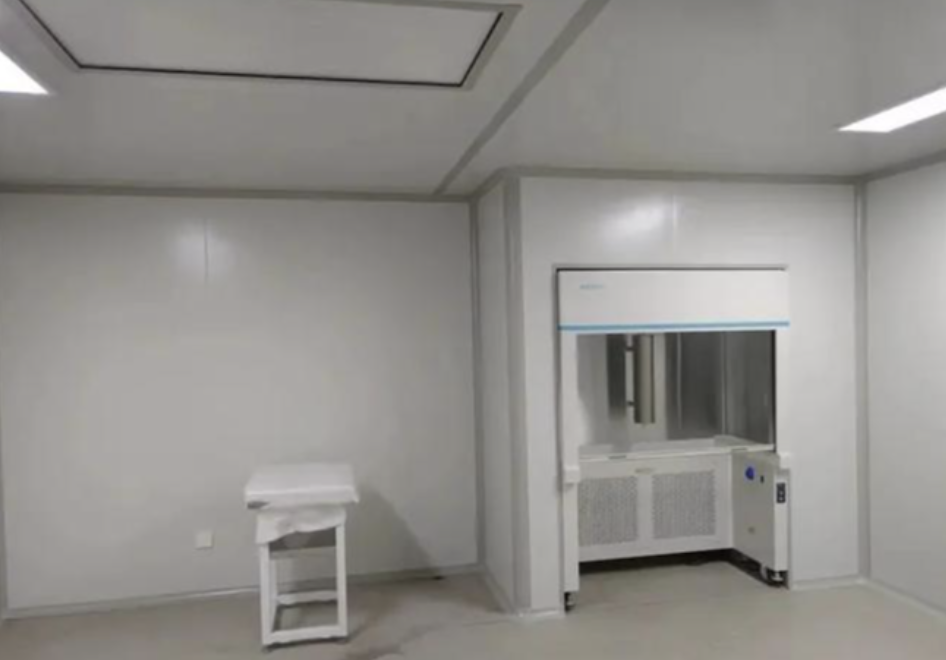
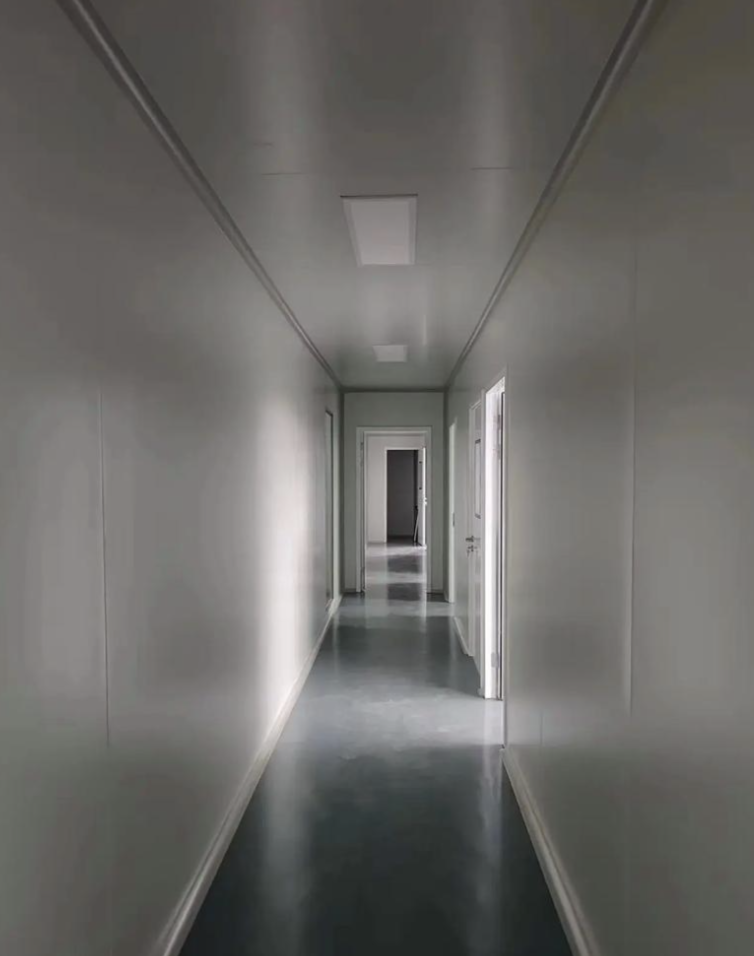



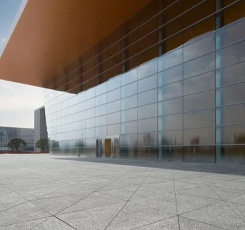


The core advantage of this wall panel is its adaptation to high-cleanliness production scenarios. Its dust generation rate of ≤0.1mg/m²·h can meet the requirements of Class 1000 cleanrooms, and the quick-connect buckle design enables rapid installation and disassembly, facilitating later equipment maintenance and space renovation. The UL 94 V-0 fire rating and antibacterial rate ≥99% performance can meet the hygiene and safety specifications of the pharmaceutical and food industries. The ESD resistance stably remains in the range of 10^6-10^9Ω, which can effectively suppress static electricity accumulation and avoid static adsorption of dust affecting cleanliness. Compared with traditional purification wall panels, it combines anti-static and antibacterial properties, solving the pain points of traditional purification wall panels such as insufficient anti-static performance and difficulty in cleaning and antibacterial. It also has excellent sound insulation performance, reducing noise interference in the production area.
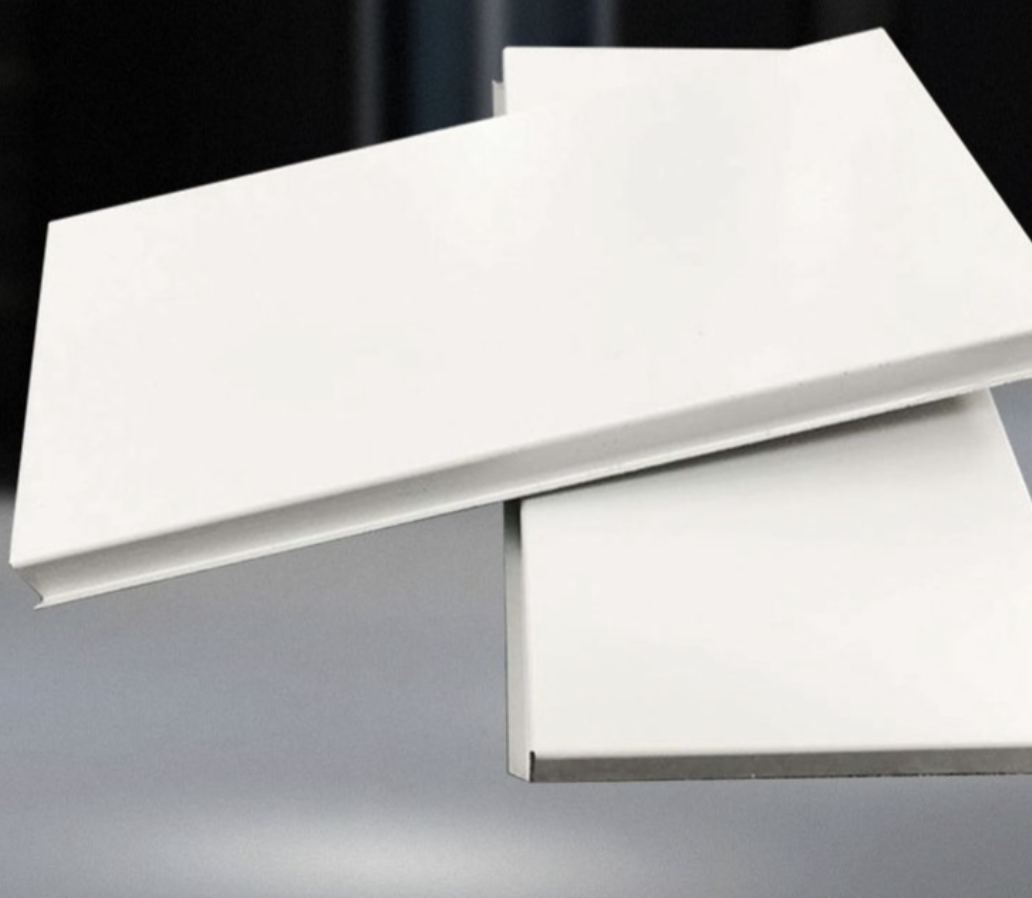
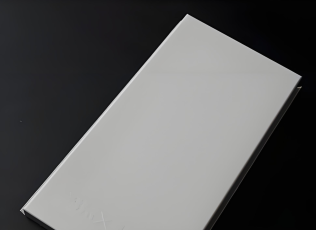
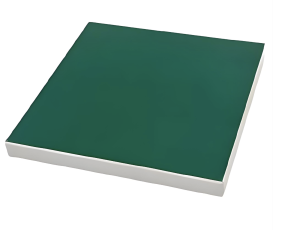
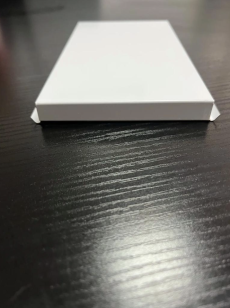
The conventional panel size is 1180mm×2400mm, with a plate thickness of 10mm and a single panel weight of about 22kg. The surface melamine laminate thickness is 0.8mm, and the ESD resistance stably remains in the range of 10^6-10^9Ω. The dust generation rate is ≤0.1mg/m²·h, the antibacterial rate is ≥99% for Escherichia coli and Staphylococcus aureus, and the sound insulation performance reaches 42dB. The installation buckle spacing is 400mm, which is compatible with standard cleanroom keel specifications, and can form a unified clean system with cleanroom ceilings, doors and windows.
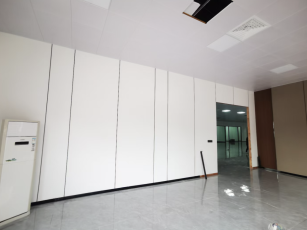
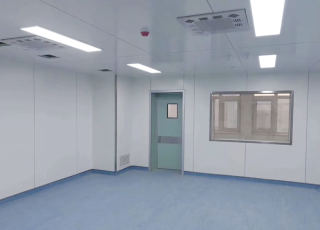
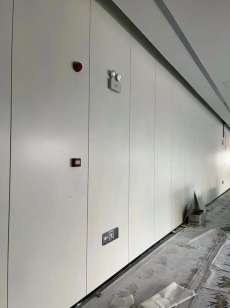
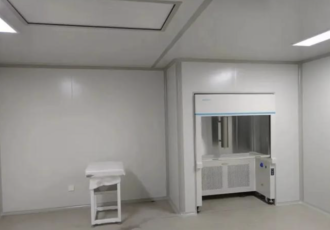
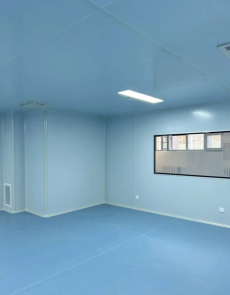
It is mainly applicable to high-cleanliness scenarios such as pharmaceutical GMP production workshops, food clean processing plants, precision instrument assembly clean rooms, aerospace parts cleaning workshops and electronic component packaging workshops. It can be installed on walls, partitions and the surrounding walls of transfer windows in production areas, which can effectively maintain the cleanliness of the production space, avoid static adsorption of dust and microorganisms, meet the production specifications of related industries, and ensure the production quality and hygiene safety of products.








 Post RFQ


 Chat
Chat


 ALL CATEGORIES