Basic Info
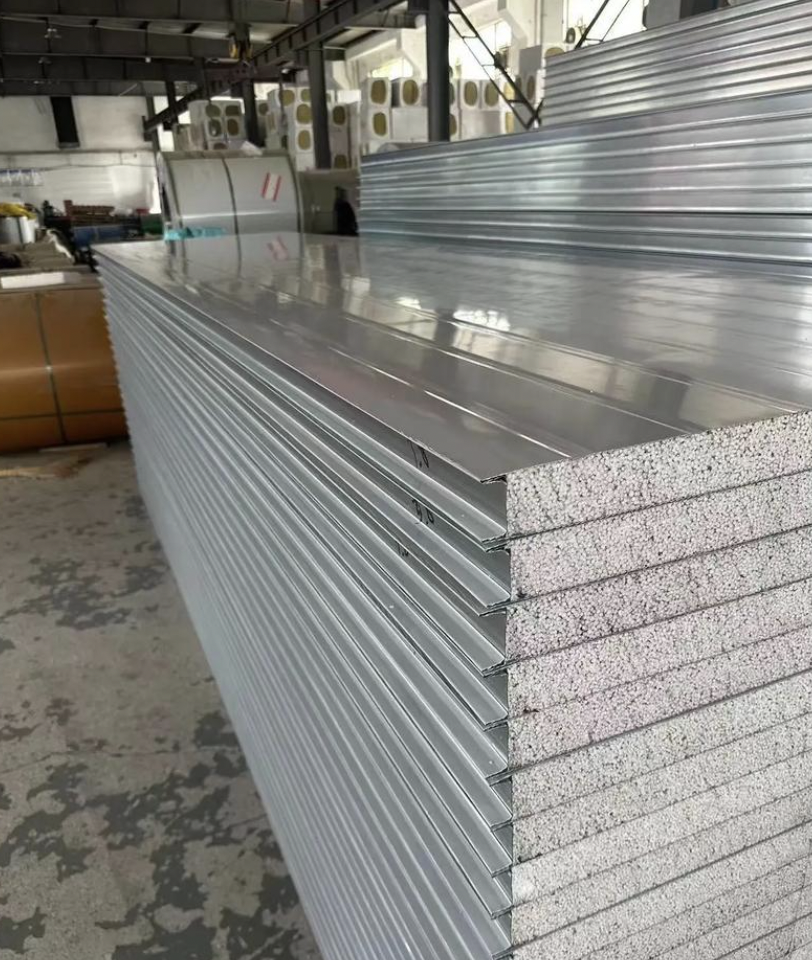
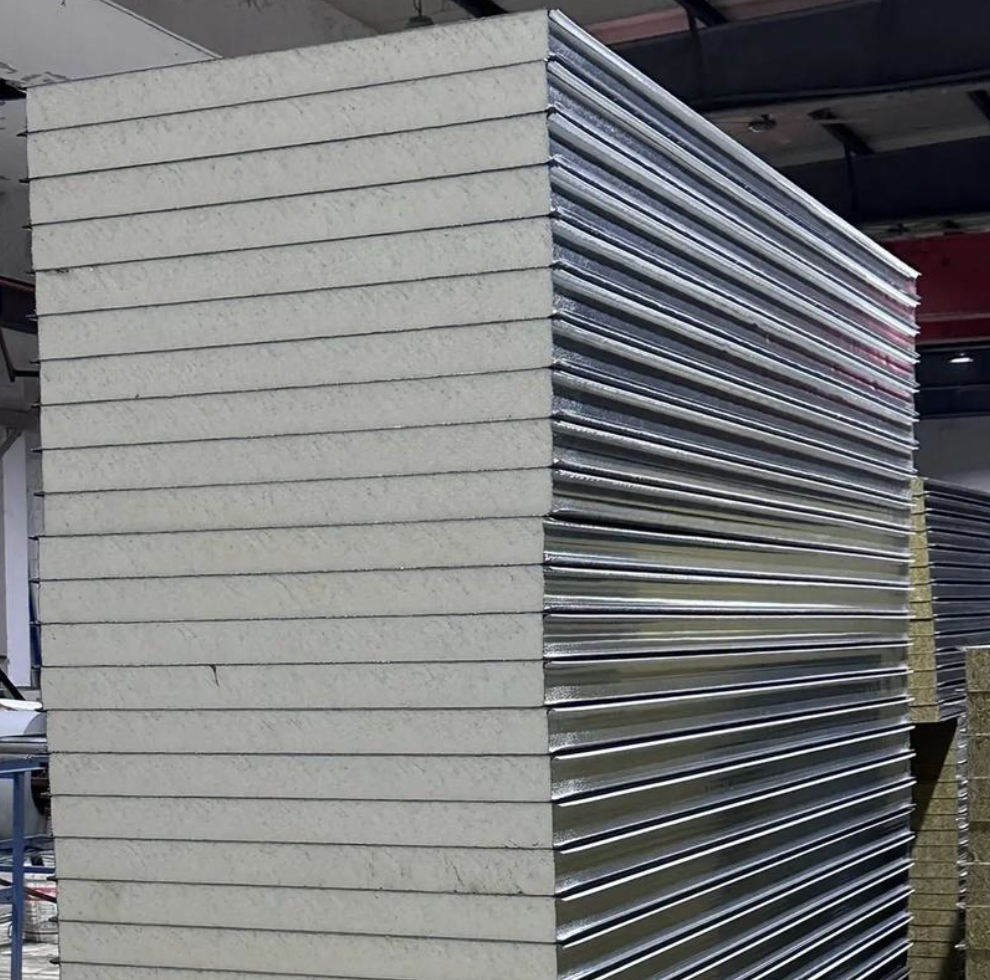
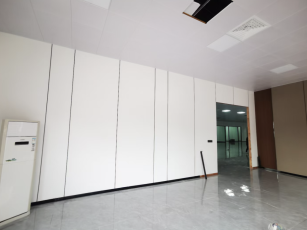
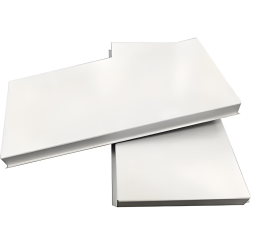
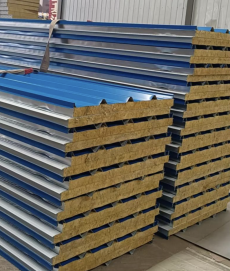
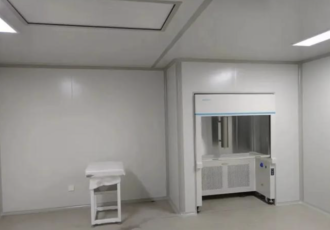
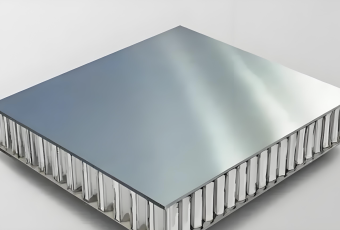
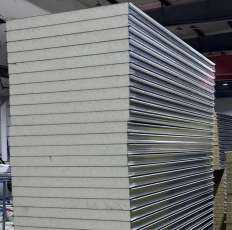
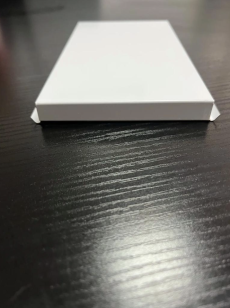
This rock wool sandwich anti-static wall panel is designed for scenarios with multiple requirements for heat preservation, fire protection and electrostatic control such as data centers, large machine rooms and large industrial workshops. It adopts galvanized steel as the face material combined with rock wool sandwich structure, which has excellent anti-static performance, fire resistance and thermal insulation performance. It can effectively conduct static charge and avoid electrostatic interference with precision servers and communication equipment in the machine room. At the same time, its Class A fire resistance can meet the fire protection specifications of large buildings, and the rock wool sandwich structure has excellent thermal insulation performance, which can reduce the air conditioning energy consumption in the workshop. It is easy to install with hidden keel connection, the overall appearance is flat and beautiful, and it has excellent moisture-proof performance to adapt to complex industrial environments.
Customer reviews

David · HVAC Engineer
From a thermal performance perspective, these panels excel. The rock wool insulation maintains stable indoor temperatures in our server room while the anti-static feature protects sensitive equipment. The R-value exceeds standard panels, and we've measured a 15% energy savings on climate control. The tongue-and-groove joints create airtight seals that prevent thermal bridging.
Sarah · Laboratory Safety Officer
These anti-static wall panels have been a game-changer for our electronics testing lab. The rock wool core provides superior fire resistance (meeting Class A standards) while the conductive layer reliably grounds static electricity. We've noticed a 60% reduction in ESD incidents since installation. The smooth surface is easy to clean and maintains its appearance despite frequent chemical exposure.
Product Description
Product features:
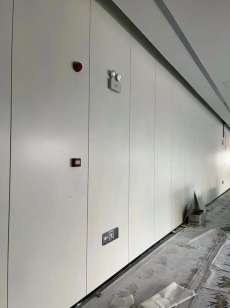
The core advantage of this rock wool sandwich anti-static wall panel lies in its multi-functional integrated performance, which integrates anti-static, fire protection and thermal insulation functions without additional installation of insulation layer or fire retardant coating. The galvanized steel face sheet has excellent corrosion resistance, which can be used in humid industrial environments for a long time without rust. The anti-static coating has passed professional testing, and can stably maintain the anti-static resistance value of 10^6-10^8Ω, effectively avoiding equipment faults caused by static accumulation. The thermal conductivity of the rock wool sandwich structure is only 0.038W/(m·K), which can effectively reduce the cooling and heating energy consumption of the workshop and reduce operating costs. The installation adopts hidden keel docking method, there are no exposed connectors on the overall wall, and the appearance is neat and beautiful, which can greatly shorten the construction period.
Product specifications:
The standard size is 1180mm*2400mm, with optional thickness ranging from 30mm to 100mm. The thickness of the galvanized steel face sheet is 0.6mm, and the density of the rock wool core is 120kg/m³. The hidden keel is made of galvanized steel, with a mounting gap of ≤1mm to ensure overall flatness. The thermal insulation performance meets the national energy-saving building standards, and the sound insulation performance reaches 40dB. The weight of a single panel is approximately 25kg per sheet, matched with special lifting tools for construction.
Product application:
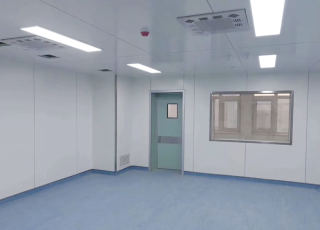
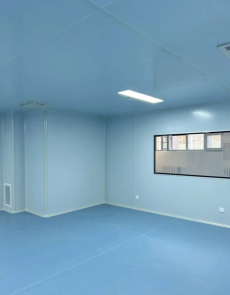
It is mainly applicable to data center machine rooms, 5G base station equipment rooms, large electronic assembly workshops, chemical plant production areas and other places that require electrostatic protection, fire protection and thermal insulation. It can be used as the fire partition wall of the factory building to meet the fire protection zoning requirements, and at the same time provide electrostatic protection for precision electronic equipment, reducing the energy consumption of the workshop through thermal insulation performance.
Frequently Asked Questions (FAQ)
Q:What are the key features of rock wool sandwich anti-static wall panels?
A:Rock wool sandwich anti-static wall panels feature excellent fire resistance (A1 grade), sound insulation (up to 50dB), and anti-static properties (surface resistance 10^6-10^9Ω). The rock wool core provides thermal insulation, while the conductive layer ensures static dissipation, making them ideal for cleanrooms and electronics factories.
Q:How does the anti-static function work in rock wool sandwich wall panels?
A:The anti-static function is achieved by embedding a conductive mesh or coating (e.g., carbon fiber) between layers. This creates a surface resistance of 10^6-10^9Ω, effectively grounding static electricity. Combined with the rock wool core, it meets both ESD (Electrostatic Discharge) and fire safety requirements.
Q:What are the typical applications of rock wool anti-static wall panels?
A:These panels are widely used in high-tech facilities like semiconductor labs, data centers, and pharmaceutical cleanrooms where static control and fire safety are critical. They also serve in industrial partitions, offering both ESD protection and noise reduction.















 Post RFQ


 Chat
Chat


 ALL CATEGORIES