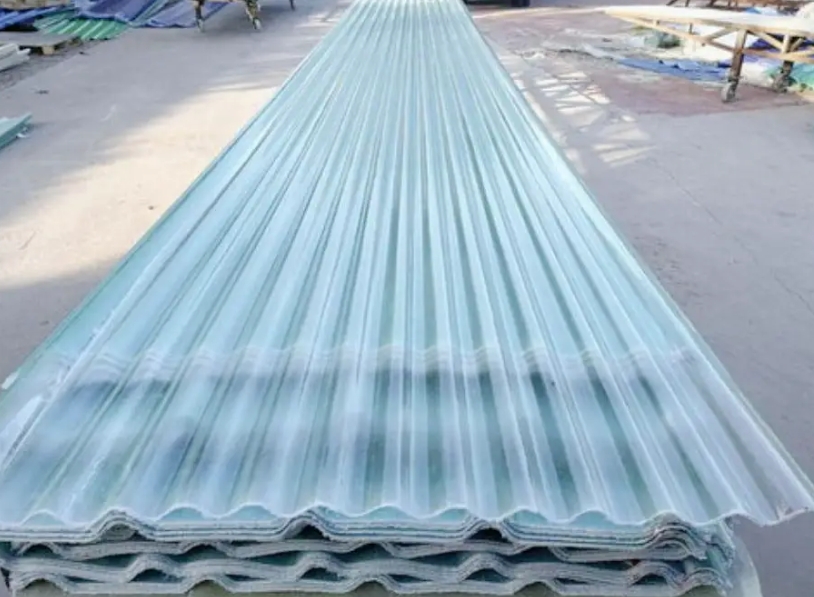


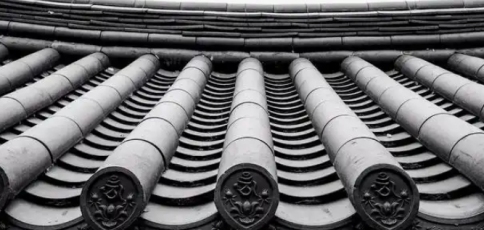
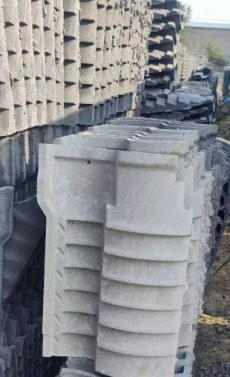
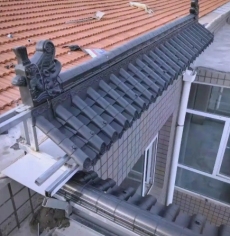
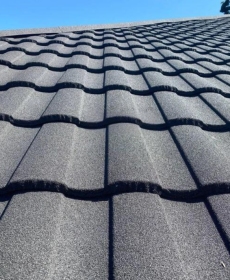
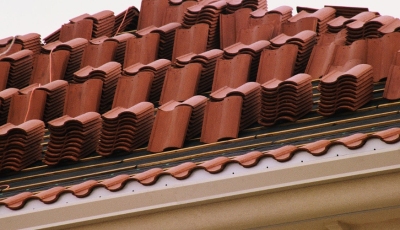
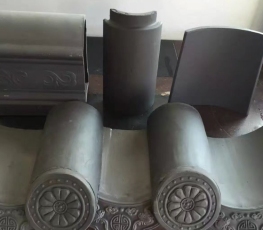
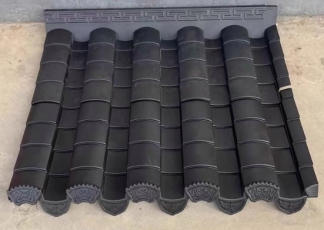
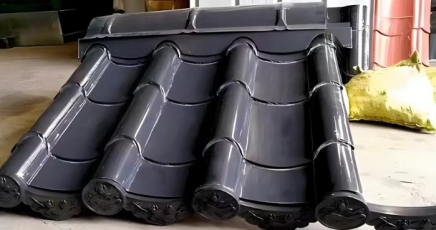
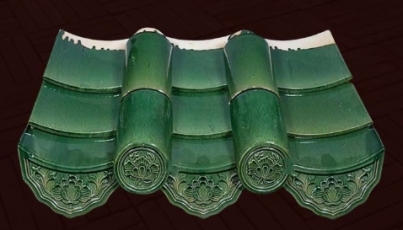
This GRC fiberglass reinforced cement antique roof tile has multiple competitive advantages in terms of cost performance and customization. First, its lightweight design reduces the structural load of the building by more than 50% compared to traditional clay tiles, making it suitable for large-scale construction projects with limited load-bearing capacity. The addition of fiberglass mesh provides excellent crack resistance, effectively preventing the tile from cracking due to temperature changes or external forces. It can be customized into various shapes and colors according to customer needs, making it suitable for different architectural styles, from traditional Chinese architecture to European classical architecture. The simple installation design reduces construction time and labor costs, making it an ideal choice for large-scale projects. Additionally, it is non-toxic and harmless, meeting modern environmental protection requirements.
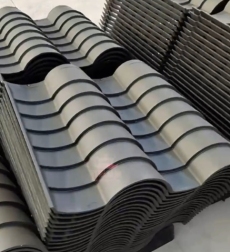
The standard tile size can be customized according to customer needs, with a common size of 400mm × 300mm. Each square meter of tiles weighs approximately 6kg, with approximately 8 pieces required per square meter. It has a water absorption rate of less than 5%, which effectively prevents water seepage and mold growth. The fire resistance rating reaches Class A, meeting the most stringent fire safety requirements. The installation uses screw-based fixed installation, which is simple and convenient, reducing construction time by more than 40% compared to traditional clay tile installation. The package includes matching installation accessories such as screws and waterproof strips, making on-site construction more convenient. It can be painted with any color according to customer needs, ensuring that it perfectly matches the architectural style.
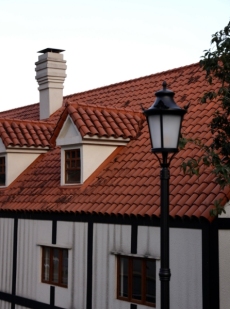
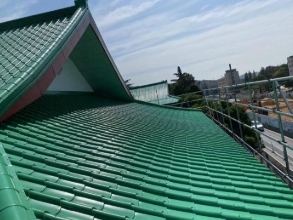
This GRC fiberglass reinforced cement antique roof tile is primarily designed for large-scale heritage restoration projects, such as ancient town renovations, cultural tourism scenic spots, and large-scale classical residential communities. It is also ideal for commercial buildings, such as retro commercial streets, boutique hotels, and exhibition halls, that want to achieve classical architectural aesthetics at a low cost. Its lightweight design and easy installation make it suitable for large-scale construction projects, reducing transportation and labor costs. Additionally, it is suitable for roof renovations of old buildings, improving the aesthetic appearance and performance of the roof without increasing the building load. It is especially suitable for projects with large areas and tight construction schedules.







 Post RFQ


 Chat
Chat



 ALL CATEGORIES