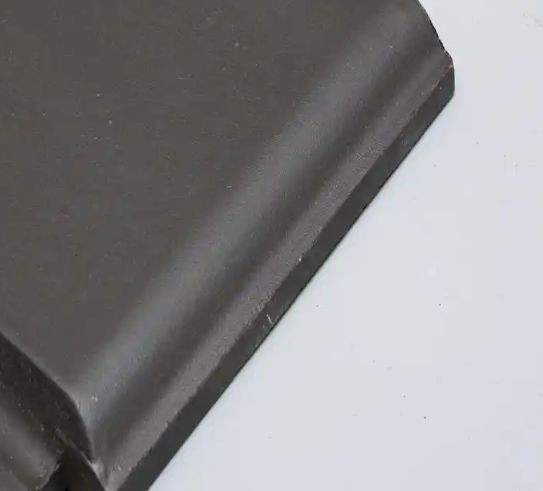
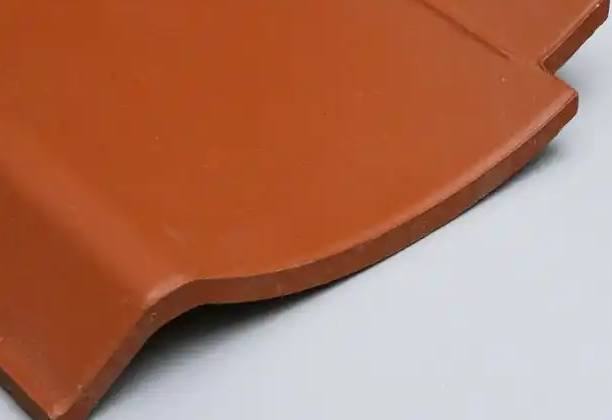


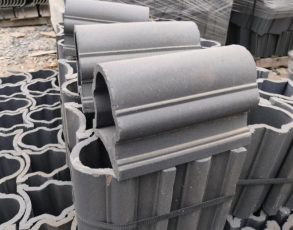
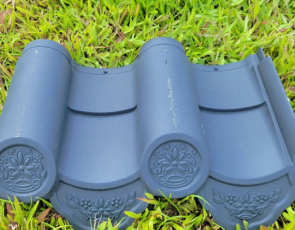
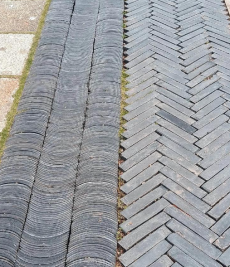
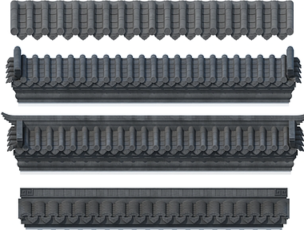
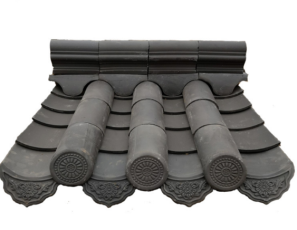
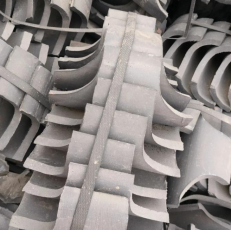

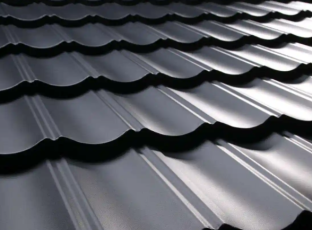
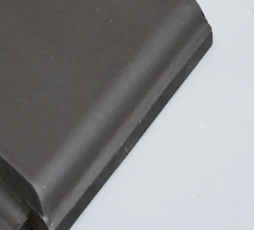
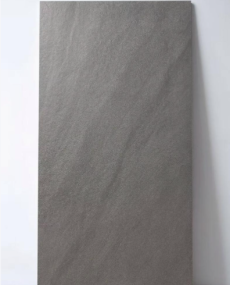
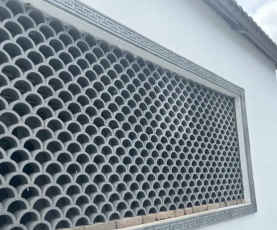
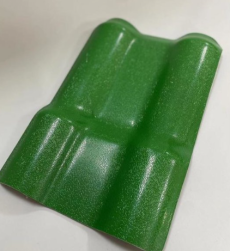
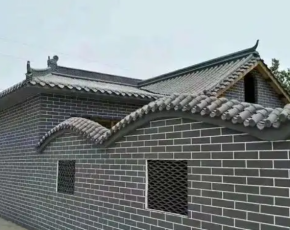
The advantage of this solar grey clay roof tile is its integration of appearance and function. The surface of the tile is exactly the same as traditional grey clay tiles, so it will not affect the overall aesthetic of the building. The monocrystalline silicon solar cell has high conversion efficiency of 22.3%, which can efficiently convert solar energy into electricity. It has an IP68 waterproof rating, which can withstand long-term immersion in water, making it suitable for rainy and humid areas. With a Grade 12 wind resistance rating, it can withstand strong typhoons and extreme weather. In addition, it is easy to install, and can be directly connected to the existing roof distribution system without additional large-scale transformation of the building.
Each solar grey clay roof tile measures 300mm in length, 400mm in width and 60mm in thickness, with a net weight of approximately 3.5kg. The solar cell part has a service life of more than 25 years, while the clay tile body can last for more than 50 years. It has a Class A fire resistance rating and can withstand high temperatures of up to 800℃ without deformation. The IP68 waterproof rating ensures that it will not leak or be damaged during long-term exposure to rain. It can withstand wind speeds of up to 40m/s, meeting the wind resistance requirements of most regions around the world. The tile is equipped with a standard mounting bracket, which can be quickly installed on any type of sloping roof, and is compatible with most existing solar power distribution systems.
This solar integrated grey roof tile is mainly applicable to zero-carbon rural homestays, cultural tourism scenic spots with traditional architectural styles, net-zero energy residential buildings, and outdoor public facilities such as scenic spot rest pavilions. It can provide clean energy for these scenarios, reducing the use of traditional fossil fuels and helping to achieve carbon neutrality goals. It is also suitable for the renovation of existing traditional buildings, allowing the original architectural style to be retained while adding new energy functions, improving the comfort and sustainability of the building.







 Post RFQ


 Chat
Chat


 ALL CATEGORIES