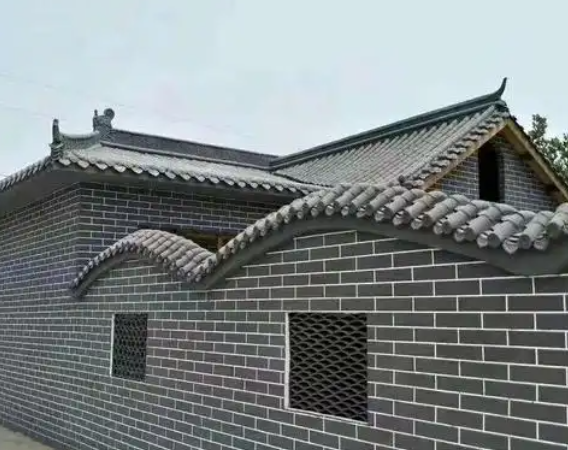
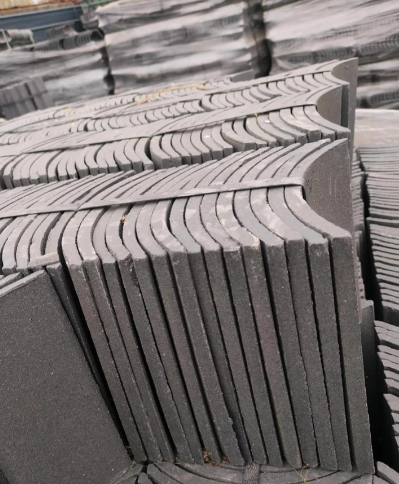


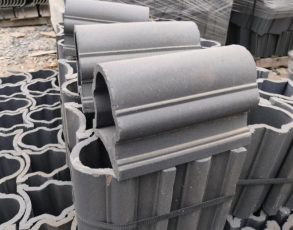
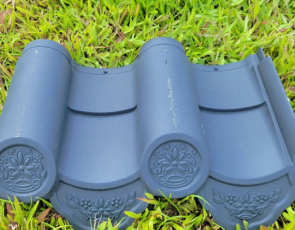
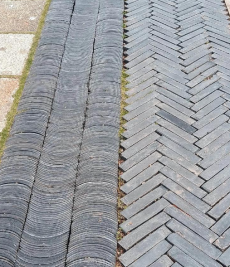
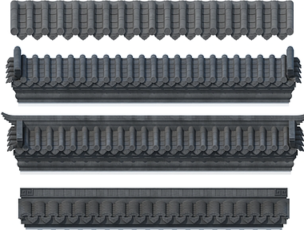
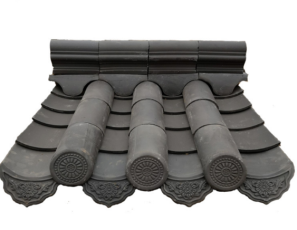
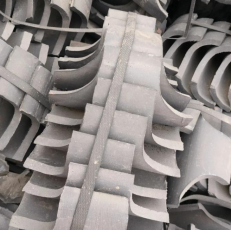

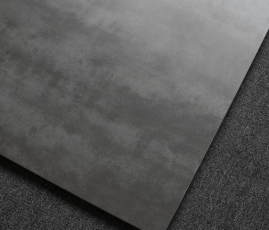
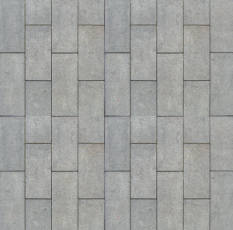
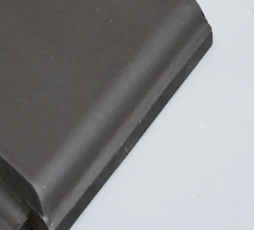
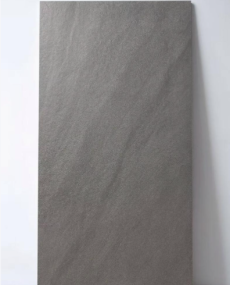
It uses a foamed clay and fiber reinforcement formula, which greatly reduces the weight while ensuring structural strength. It is 60% lighter than traditional blue bricks, reducing transportation costs by 50%. The snap-on installation design does not require mortar mixing and masonry, and one person can complete the installation, improving construction efficiency by 3 times. The water absorption rate is ≤7%, with good frost resistance and durability. The appearance restores the grey-blue texture of traditional blue bricks, conforming to the construction standards of prefabricated buildings. Compared with traditional building materials, it is more suitable for modular building projects, solving the problem of lack of traditional texture in prefabricated antique buildings, and reducing transportation and installation costs, suitable for cultural tourism projects that need to be built quickly.
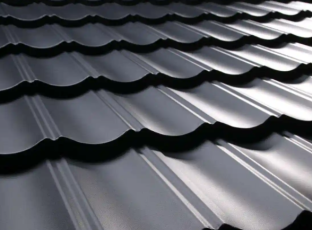
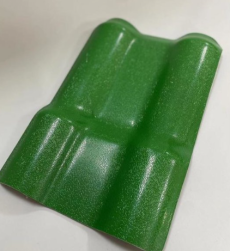
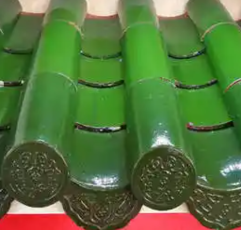
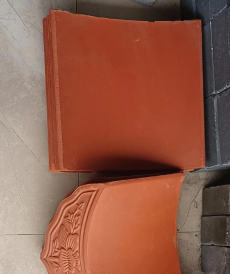
Standard brick size: 240mm (length) × 115mm (width) × 30mm (thickness), single block weight 1.2kg; roof tile size: 300mm (length) × 200mm (width) × 8mm (thickness), single block weight 0.6kg; compressive strength ≥12MPa, conforming to JGJ/T 465 standard; water absorption rate ≤7%, no damage after 12 freeze-thaw cycles; surface flatness deviation ≤±1.5mm, color difference ΔE ≤2.5; packaged in cartons, each carton holds 200 bricks, suitable for modular transportation of prefabricated buildings.
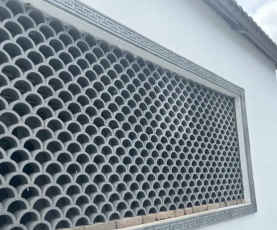
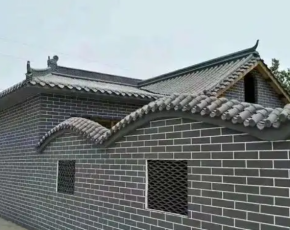
It is mainly used for prefabricated antique homestays, modular Chinese-style residences, temporary cultural tourism buildings, antique exhibition booths for outdoor exhibitions, rapid prefabricated buildings for rural revitalization and other scenarios. It is especially suitable for projects that need to be built quickly. Compared with traditional blue bricks, it has higher installation efficiency and lower transportation costs, while retaining the aesthetic style of traditional Chinese architecture, solving the problems of insufficient texture and complex construction of prefabricated antique buildings, suitable for cultural tourism development enterprises, modular building manufacturers, rural construction projects and other users.







 Post RFQ


 Chat
Chat


 ALL CATEGORIES