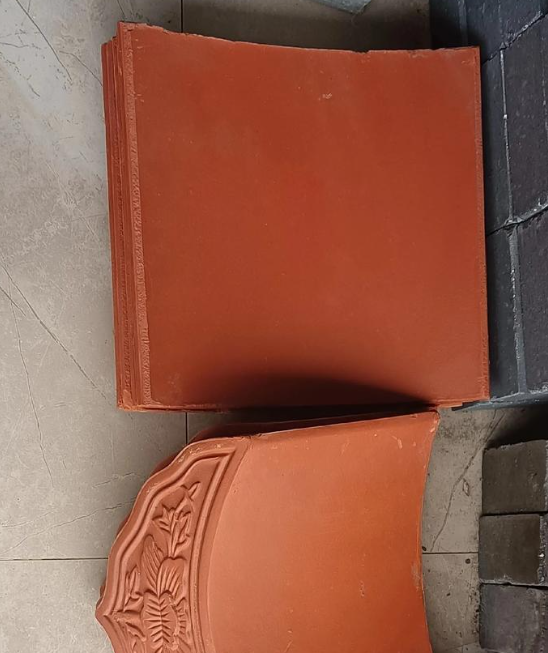
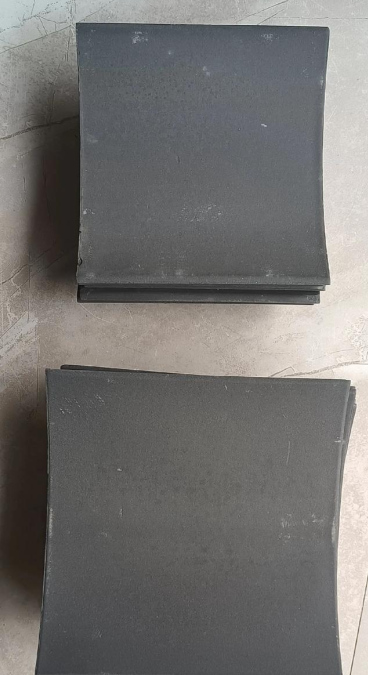


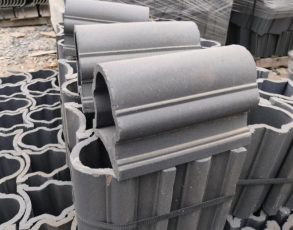
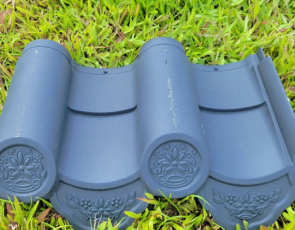
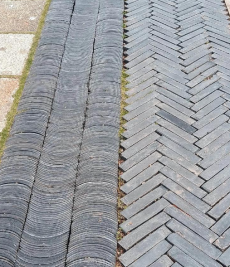
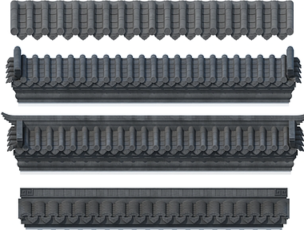
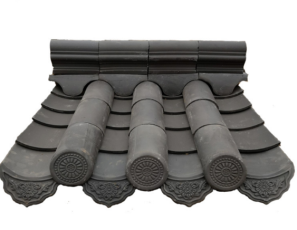
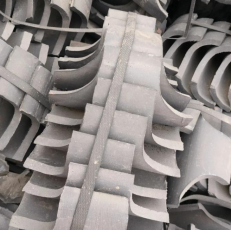

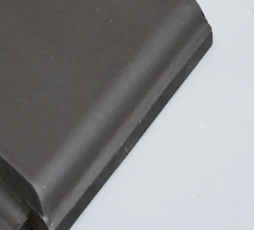
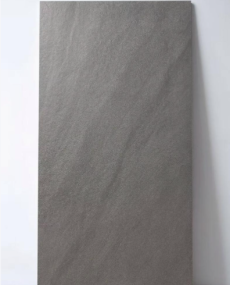
It uses a high-alumina clay and siliceous raw material formula, and isostatic pressing molding ensures uniform structure. Fired at 1350℃ high temperature, the refractory temperature reaches above 1300℃, and the compressive strength is ≥30MPa, which far exceeds the strength standard of ordinary blue bricks. It has excellent thermal stability, no peeling or cracking after 10 cold-heat cycles from 1000℃ to room temperature, and low water absorption rate to prevent cracking at high temperatures. The surface is smooth and easy to install, and the appearance is closer to the traditional grey-blue color, suitable for kiln projects that require industrial aesthetic style, solving the problems of high temperature resistance and complex installation of building materials in high-temperature industrial scenarios, and meeting the needs of overseas industrial projects while ensuring practicability and aesthetics.
Refractory brick size: 230mm (length) × 110mm (width) × 60mm (thickness), single block weight 4.2kg; refractory temperature ≥1300℃, conforming to ISO 10082 standard; compressive strength ≥30MPa, no damage after 10 cold-heat cycles; water absorption rate ≤5%, volume change rate ≤0.5% at high temperature; surface flatness deviation ≤±0.5mm, color difference ΔE ≤1; packaged in wooden pallets, each pallet holds 800 refractory bricks, suitable for industrial storage and transportation environment.
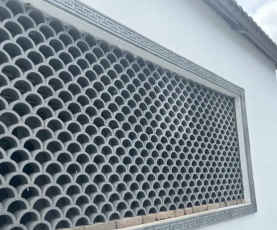
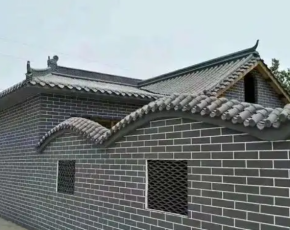
It is mainly used for sintering kiln linings in the metallurgical industry, roller kiln linings in the ceramic industry, lime kiln linings in the building materials industry, high-temperature flues, hot blast stoves and other high-temperature industrial scenarios, and can also be used for exterior walls of industrial buildings requiring high-temperature protection. It also has a traditional grey-blue appearance, balancing industrial practicality and aesthetic effects, suitable for industrial equipment manufacturers, kiln maintenance enterprises, overseas industrial building material purchasers and other users, solving the problems of high temperature resistance and easy damage of building materials in high-temperature scenarios.







 Post RFQ


 Chat
Chat


 ALL CATEGORIES