
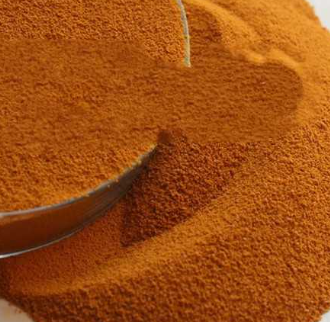





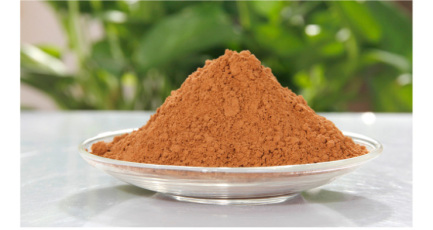




This industrial PAC features high reactivity and fast flocculation, forming dense and firm flocs that settle rapidly, shortening the treatment cycle by up to 30% compared to aluminum sulfate. Its formula is optimized for high turbidity and high COD wastewater, maintaining stable treatment effects even when the water quality fluctuates significantly. The product has low corrosivity to treatment equipment, extending the service life of pipeline systems. It is available in bulk packaging options, making it suitable for large-scale dosing systems, and the cost-effective price point makes it a popular choice for industrial wastewater treatment projects worldwide.
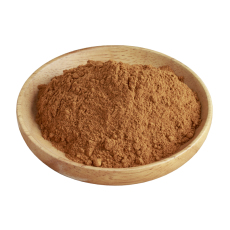
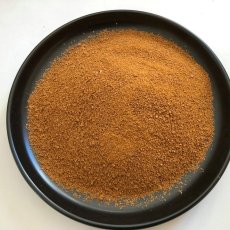
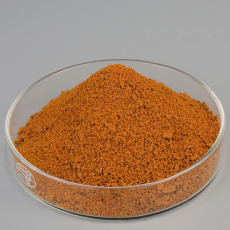
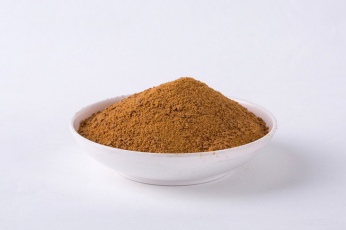
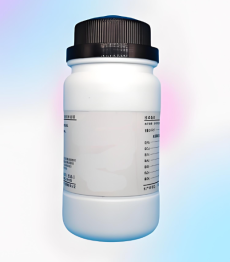
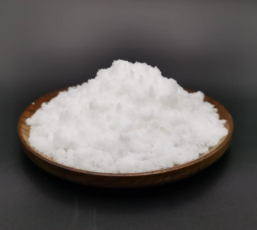
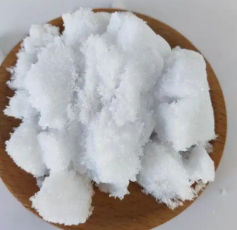
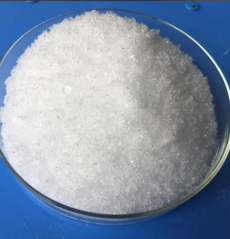
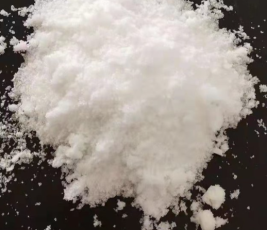
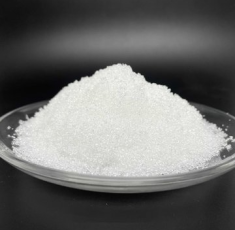
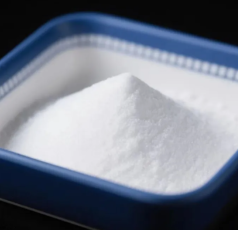
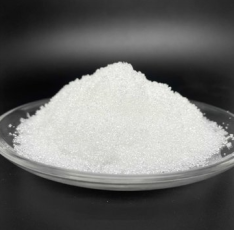
The product has a yellowish-brown powder appearance with a bulk density of 0.80-0.90 g/cm³. The aluminum oxide content is between 28% and 30%, providing sufficient coagulation activity for industrial wastewater treatment. The basicity is controlled at 50%-70%, which improves the stability of the product during storage and dosing. The water insoluble matter is ≤0.5%, which is acceptable for industrial wastewater treatment scenarios without strict pipeline blockage restrictions. The 1% aqueous solution has a pH value of 4.0-6.0, adapting to the pH range of most industrial wastewater. Each package contains 25kg of PAC, sealed in plastic woven bags with waterproof layers, and the product has a shelf life of 2 years when stored in a cool, dry place.
This product is mainly used in printing and dyeing wastewater treatment to remove color pigments and organic pollutants, electroplating wastewater treatment to remove heavy metal ions such as chromium and nickel, pharmaceutical wastewater treatment to reduce COD and BOD levels, and mining wastewater treatment to remove suspended solids and heavy metal residues. It is applicable to various industrial wastewater treatment scenarios, including small-scale workshop wastewater treatment stations, medium-sized industrial parks, and large-scale industrial wastewater treatment plants. It can be used alone or in combination with other wastewater treatment agents such as polyacrylamide to achieve better treatment effects, meeting the national wastewater discharge standards.







 Post RFQ


 Chat
Chat


 ALL CATEGORIES