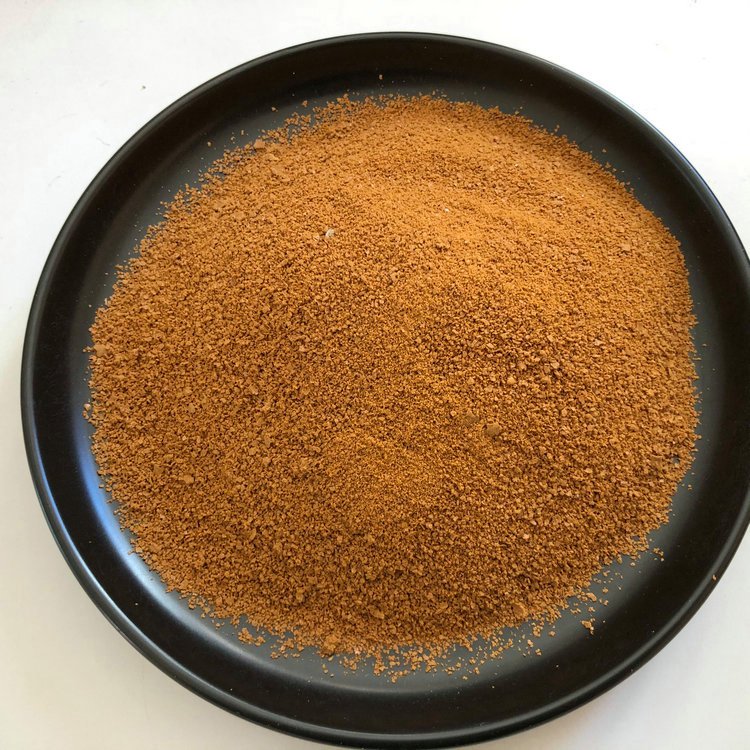




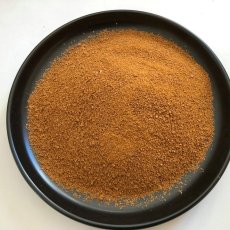

The core advantage of this product is its excellent decolorization performance. By adding special coagulant aids during the production process, the adsorption capacity to anionic reactive dyes, direct dyes and acid dyes is enhanced, and the decolorization rate can reach more than 95%, which is much higher than the 60%-70% decolorization effect of common PAC. Its flocs form quickly and have short precipitation time, which can effectively reduce the floor area and operating cost of the sedimentation tank. In addition, the product has good COD removal ability, which can simultaneously reduce the chemical oxygen demand in wastewater, realizing one-stop pollutant removal. This product can maintain stable treatment effect in high-concentration dye wastewater scenarios, solving the pain point of poor treatment effect of traditional flocculants on difficult-to-decolorize dyes, and will not produce a large amount of excess sludge, reducing the difficulty of subsequent sludge treatment.
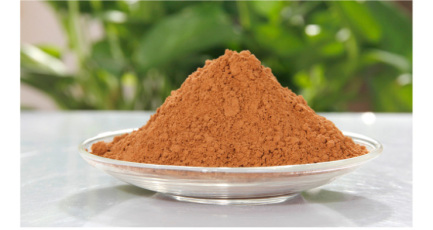
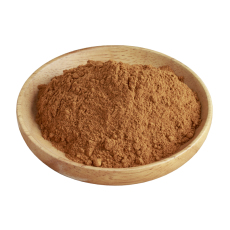
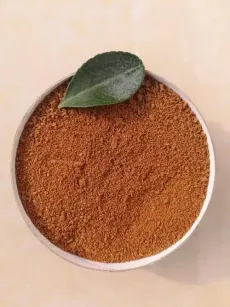
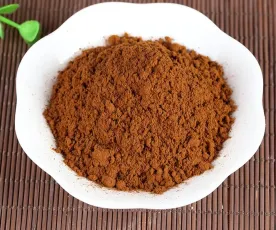
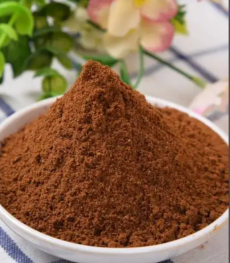
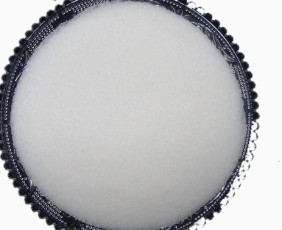
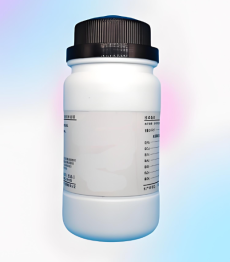
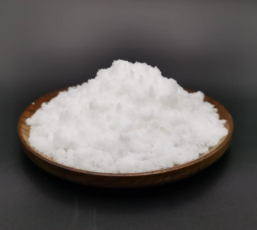
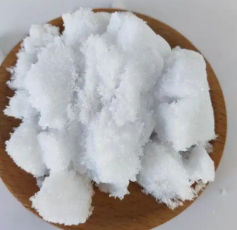
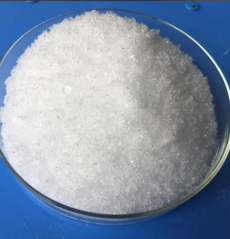
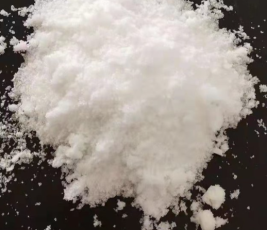
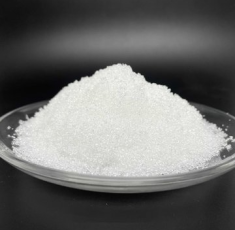
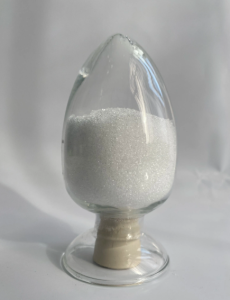
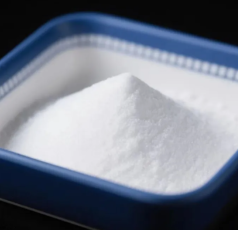
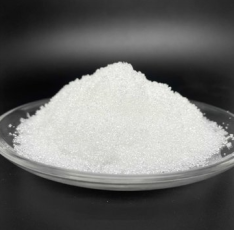
This product appears as light yellow powder, with alumina content of 30%-32%, basicity controlled at 75%-88%, pH value of 3.8-5.2 in 1% aqueous solution, and water insoluble content ≤0.2%. The bulk density is 0.65-0.75g/cm³. It is packaged in 25kg polypropylene woven bags with food-grade polyethylene film lining, and ton bag packaging can be provided according to customer needs. Its decolorization rate for reactive dyes is ≥95%, ≥92% for direct dyes and ≥88% for disperse dyes. It dissolves quickly, and can be completely dissolved within 25 minutes at room temperature. It can be prepared into a 5%-10% aqueous solution before adding, or directly added as dry powder, with a dosage of 30-150mg/L according to the chroma concentration of wastewater.
This product is mainly used in the wastewater treatment of textile printing and dyeing industry, which can effectively remove chroma pollutants such as reactive dyes, disperse dyes and acid dyes in wastewater and discharge up to standard. It is also suitable for the wastewater treatment of papermaking industry, removing the chroma and suspended solids of papermaking black liquor and improving the reuse rate of papermaking wastewater. In addition, it can also be used in the wastewater treatment of industries such as leather processing and food dyeing that produce chroma pollution. This product has passed professional tests of the domestic textile printing and dyeing industry, and can be compatible with all kinds of printing and dyeing wastewater treatment processes, including the combined process of biological treatment and advanced flocculation treatment, helping printing and dyeing enterprises meet the strict national and local environmental protection emission standards and greatly reducing the environmental compliance cost of enterprises.







 Post RFQ


 Chat
Chat


 ALL CATEGORIES