



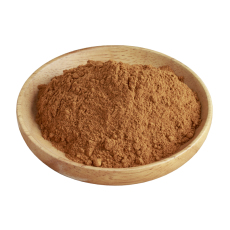
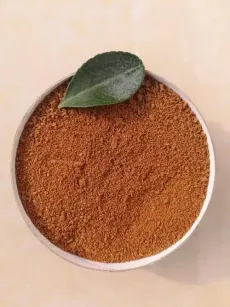
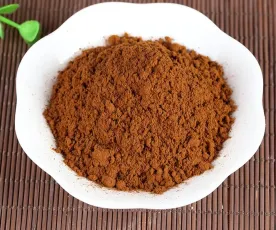
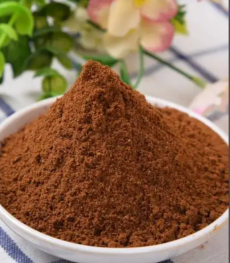
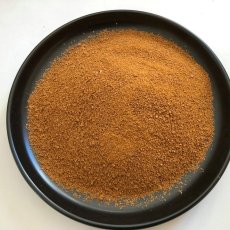

This drinking water-grade PAC stands out with its ultra-low heavy metal residue, compliant with FDA and GB 15892-2009 national standards for drinking water treatment agents. Its optimized formula achieves 98% coagulation efficiency within 15 minutes of dosing, reducing the time required for water clarification significantly. The product generates minimal excess sludge, lowering the subsequent sludge disposal costs for treatment plants. It has excellent adaptability to a wide range of water temperatures and pH values, maintaining stable performance even in cold water environments with low turbidity. Additionally, it is easy to dissolve and transport, with non-toxic dust-free packaging to protect operators from exposure hazards.
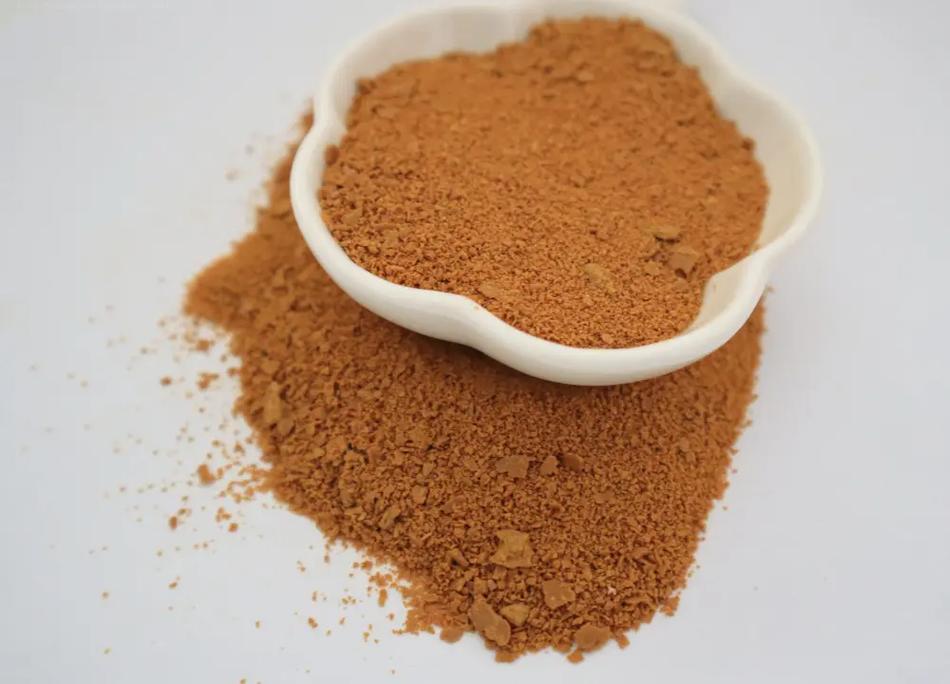
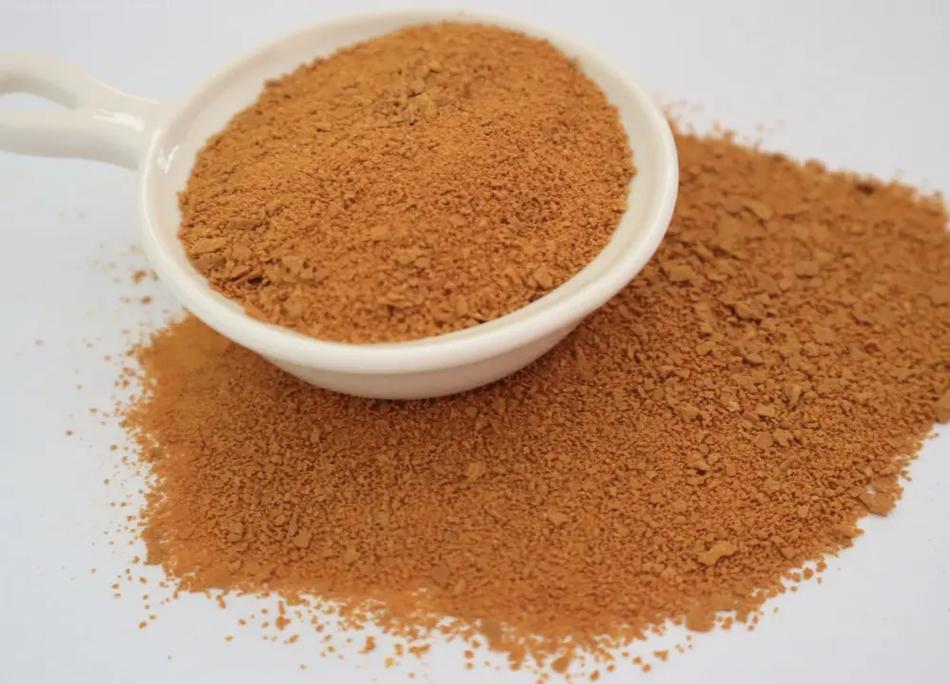
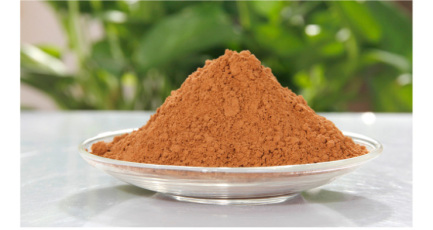
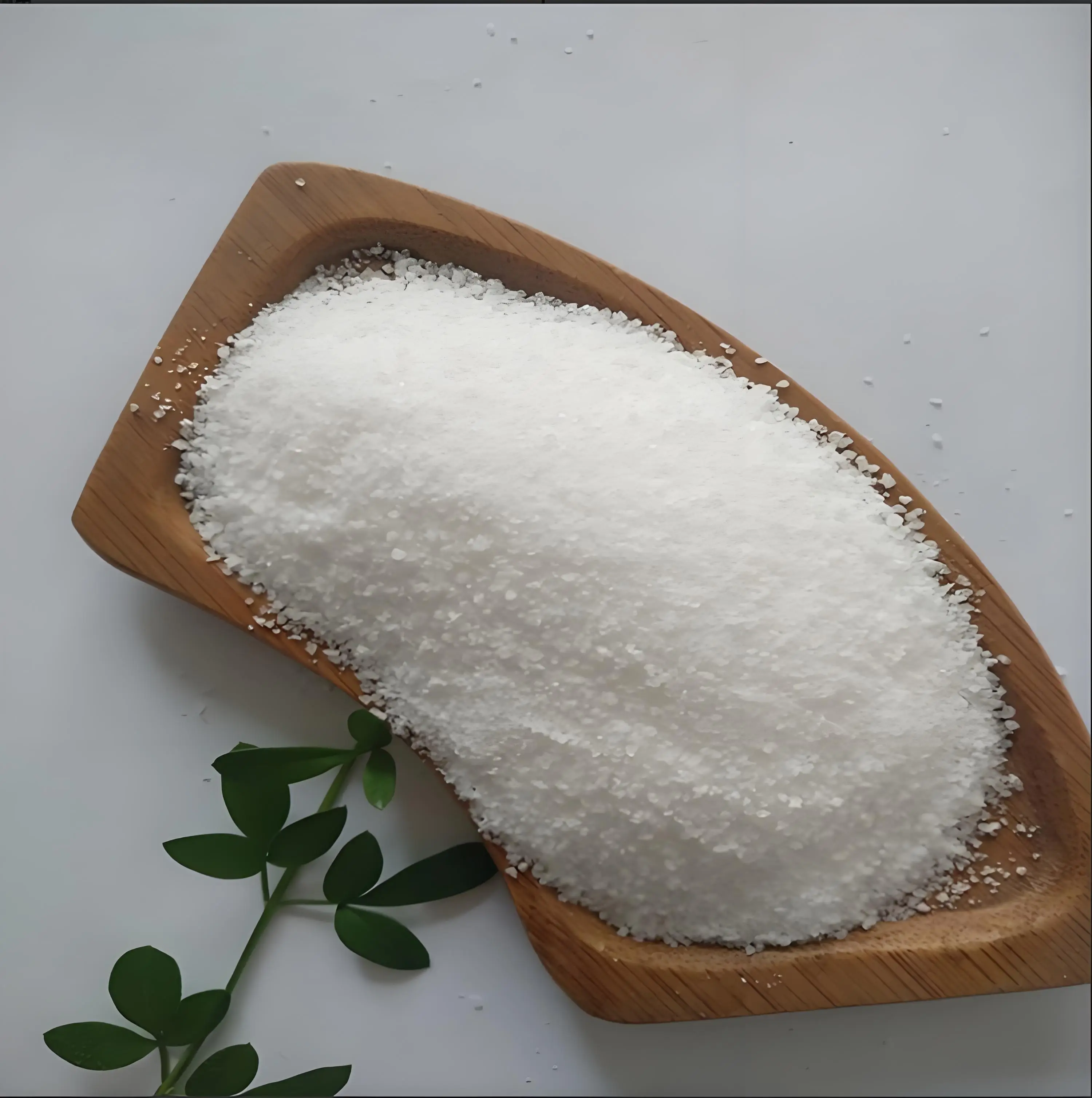
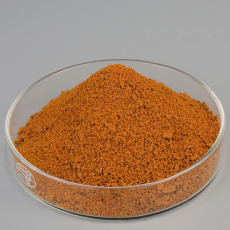
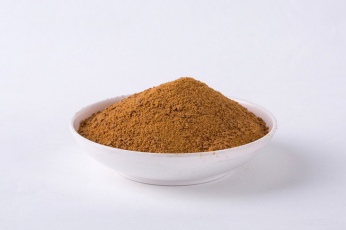
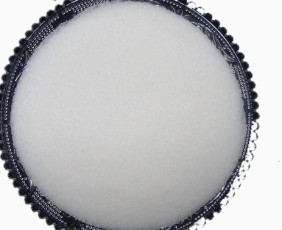
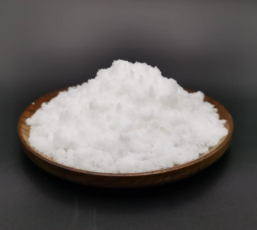
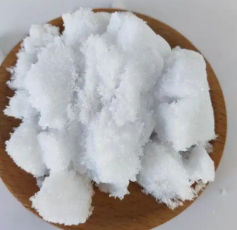
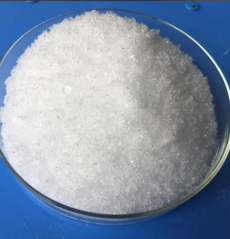
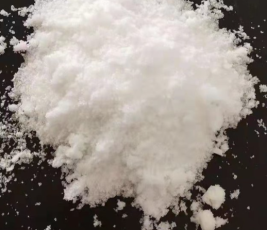
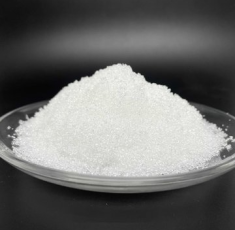
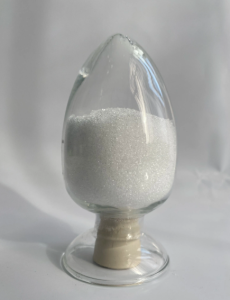
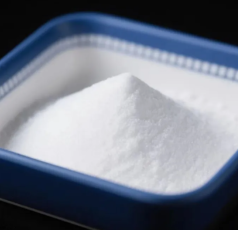
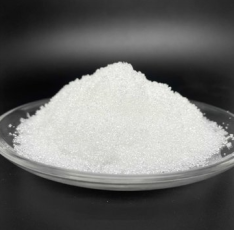
The product appears as light yellow granular or powder form with a bulk density of 0.85-0.95 g/cm³. The aluminum oxide content ranges from 29% to 31%, ensuring high coagulation activity. The basicity is controlled between 40% and 60%, which enhances the stability of the product during storage and use. The water insoluble matter is limited to ≤0.1%, reducing the risk of pipeline blockage in water treatment equipment. The 1% aqueous solution has a pH value of 3.5-5.0, which is compatible with most water treatment system settings. Each package contains 25kg of PAC, sealed in food-grade plastic woven bags with waterproof inner layers to prevent moisture damage during transportation and storage. The product has a shelf life of 2 years when stored in a cool, dry environment.
This product is primarily applied in municipal drinking water treatment plants, rural community water supply projects, bottled purified water production facilities, and small-scale commercial water purification systems. It is ideal for treating raw water with high turbidity, organic contamination, and heavy metal residues such as lead, arsenic and cadmium. Typical usage scenarios include pre-coagulation treatment of surface water from rivers and lakes, pretreatment of well water with high iron and manganese content, and polishing treatment of recycled water for reuse. It can also be used in combination with activated carbon filtration and reverse osmosis systems to achieve higher purity water quality standards, meeting the drinking water safety requirements of various regions worldwide.







 Post RFQ


 Chat
Chat


 ALL CATEGORIES