



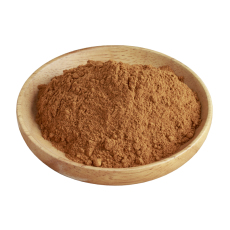
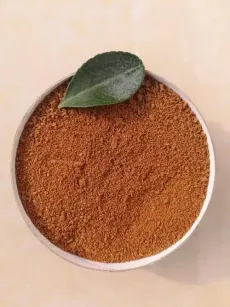
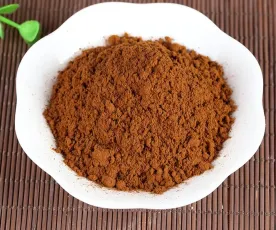
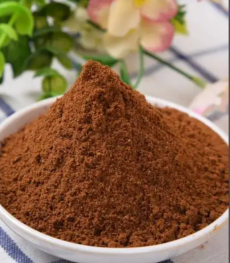

The low basicity design (40%-60%) makes it suitable for high-salt and high-hardness wastewater without large-scale pH adjustment, reducing the consumption of acid and alkali agents. It has excellent flocculation activity, forming dense and large flocs quickly, which improves the sedimentation speed and reduces the volume of sludge. It has strong salt resistance, which can maintain stable flocculation performance even in high-salt wastewater environments. It can effectively remove oil substances and chroma in wastewater, and the removal rate of COD can reach more than 95%, effectively improving the quality of discharged wastewater. Additionally, it has low water insoluble matter content, reducing the accumulation of sediment in treatment equipment.
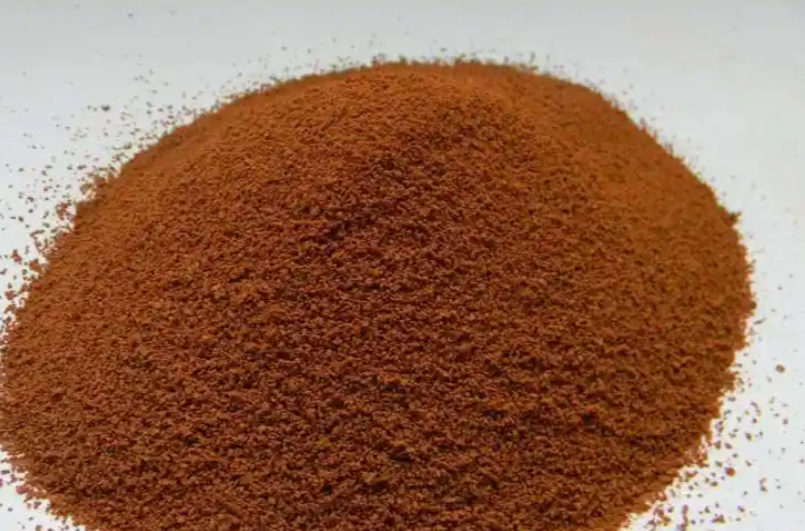
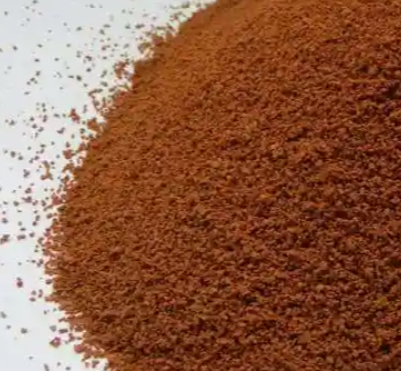
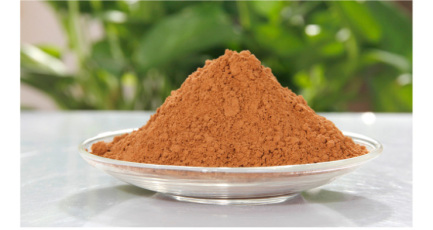
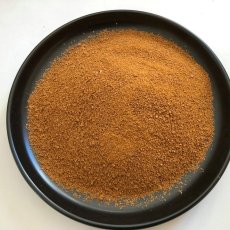
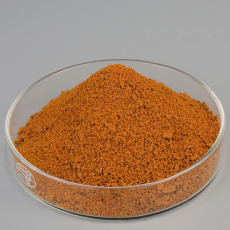
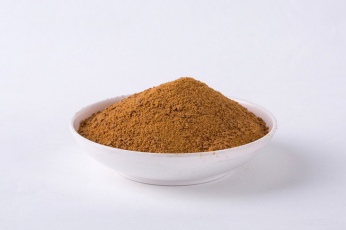
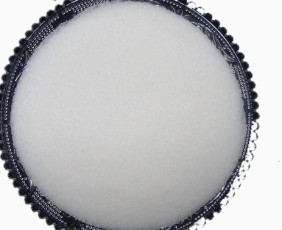
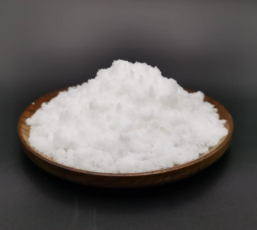
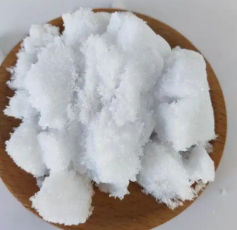
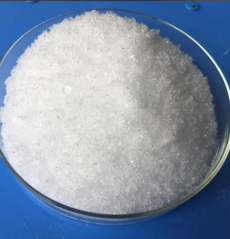
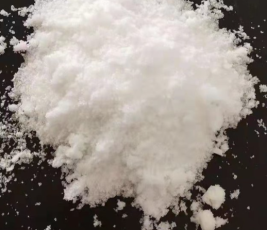
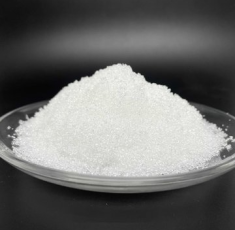
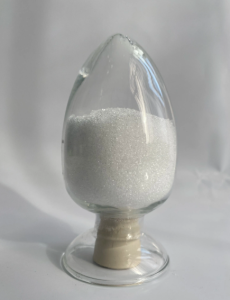
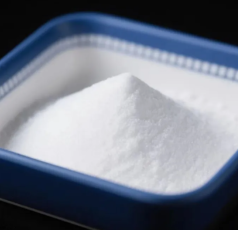
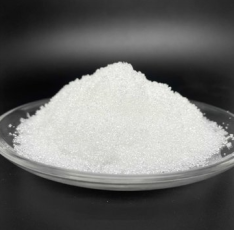
The product appears as yellowish-brown granular solid with no obvious agglomeration. The aluminium oxide content ranges from 28.5% to 29.5%, with the basicity controlled between 40% and 60%, and the pH value of 1% aqueous solution between 3.0 and 4.5. The water insoluble matter is no more than 0.2%, and the bulk density is between 0.68 and 0.78 g/cm³. More than 90% of the particles are in the range of 20-60 mesh, which ensures fast dissolution and uniform dosing. It is packed in 25kg woven plastic bags with moisture-proof lining, and can be stored for 2 years in a dry and ventilated warehouse. The product complies with the industrial standard HG/T 2225-2010.
This low base polyaluminium chloride is mainly used in the treatment of oilfield produced water, seawater desalination pretreatment, chemical high-salt wastewater treatment, papermaking middle-stage water treatment and printing and dyeing high-chroma wastewater treatment. It is especially suitable for wastewater treatment scenarios with high salt content and complex water quality, which cannot be effectively treated by traditional polyaluminium chloride, providing efficient and cost-effective solutions for special wastewater treatment.







 Post RFQ


 Chat
Chat


 ALL CATEGORIES