


The core competitive advantages of this product include its high purity and low impurity content, which will not introduce secondary pollution to the water treatment system. It has fast dissolution speed, allowing quick mixing with wastewater to exert treatment effects within a short time. It can adjust the pH value and hardness of water quality, optimizing the working conditions of subsequent water treatment processes. Unlike ordinary water treatment agents, this product has stable flocculation effect, adapting to changes in water quality and load of treatment systems. It is packaged in large tonnage bags, suitable for large-scale water treatment projects and reducing logistics costs.
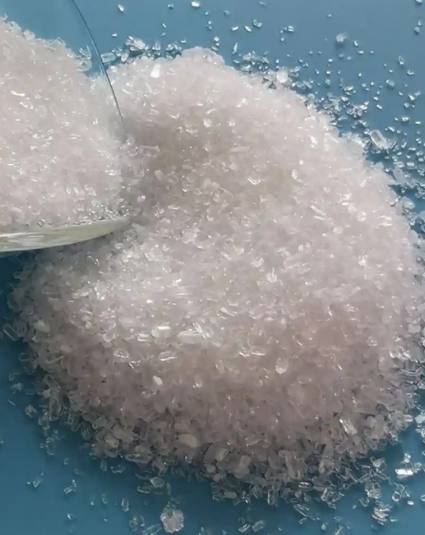
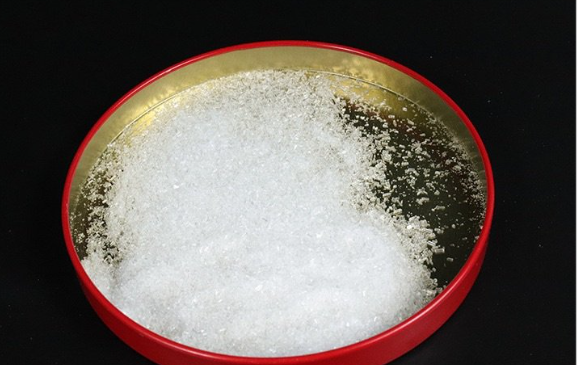
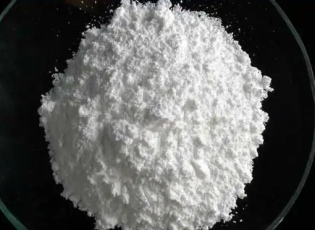
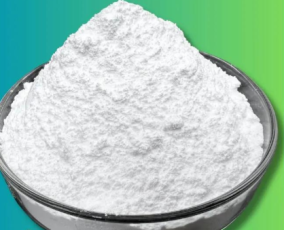
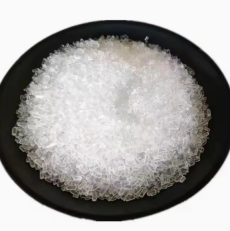
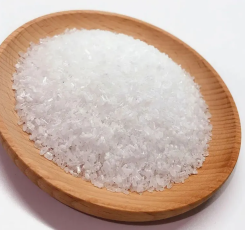
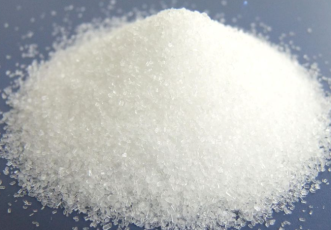
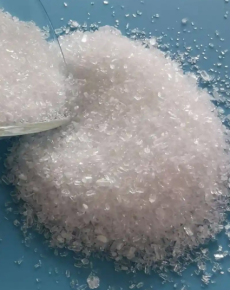
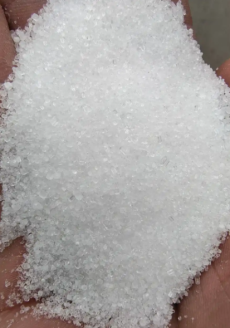
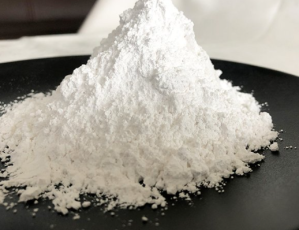
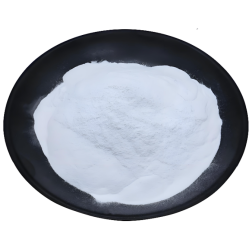
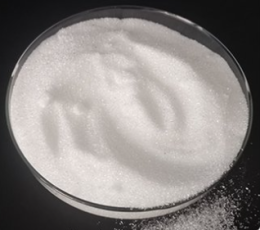
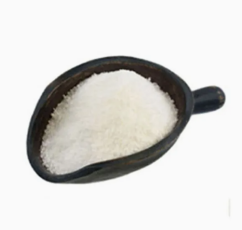
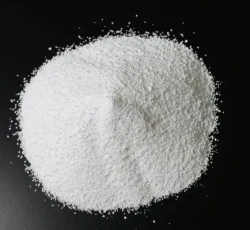
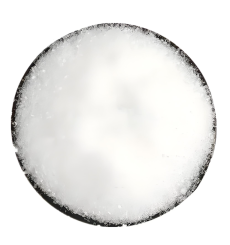
This product is mainly composed of anhydrous magnesium sulfate, appearing as white crystalline powder with a molecular formula MgSO4 and a molecular weight of 120.37. The density is 2.66 g/cm³, and the particle size is controlled at 80 mesh, ensuring uniform dispersion in water. The 10% aqueous solution has a pH value of 6.0 to 9.0, adapting to the pH regulation requirements of most water treatment systems. The moisture content is ≤2%, ensuring stable storage in dry warehouses. Each pallet is loaded with 1000 kilograms of product in food-grade tonnage bags, which is convenient for crane loading and transportation. It has good compatibility with other water treatment agents, such as polyacrylamide and aluminum sulfate, to form a complete water treatment process.
This industrial magnesium sulfate is mainly used in multiple industrial water treatment scenarios. In the printing and dyeing industry, it is used as a flocculation aid to improve the sedimentation effect of printing and dyeing wastewater and reduce the content of color pigments and suspended solids. In the papermaking industry, it is used to treat white water in paper machines, recycling fiber materials and improving water quality of recycling systems. It is also suitable for industrial circulating water treatment to adjust water hardness and prevent scale formation in pipelines. Additionally, it can be used in aquaculture water quality regulation to stabilize the pH value of aquaculture water and improve the living environment of aquatic products.









 Post RFQ


 Chat
Chat


 ALL CATEGORIES