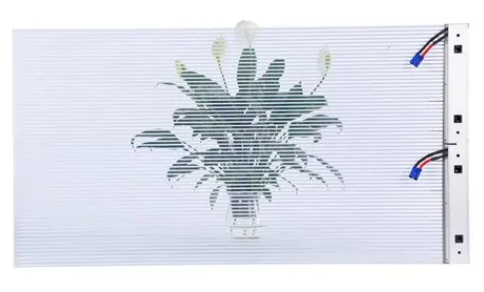
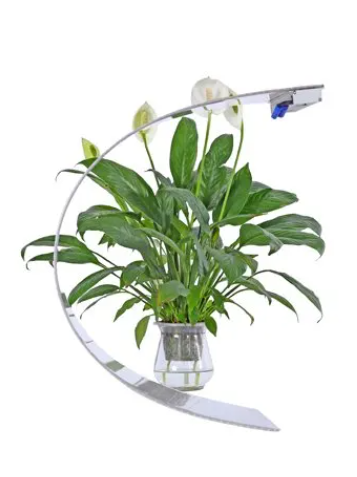





This technology transforms ordinary glass surfaces into dynamic media displays while preserving transparency. Its defining feature is its high light transmittance; when the LEDs are off, the glass remains largely clear, maintaining views and natural light penetration. The LED modules are ultra-thin (e.g., 2.8mm) and attached directly to the glass using optical clear adhesive (OCA), creating a sleek, integrated appearance. It employs technologies like common cathode drive and flip-chip LEDs for higher efficiency and lower heat generation, which is critical when bonded to glass. This allows for digital content—advertisements, art, information—to be superimposed over the real-world background, creating an augmented reality-like effect.
The product is specified by its pixel pitch and its transparency percentage (e.g., 75%-85% for the module itself). Installation is a specialized process requiring a perfectly clean glass surface and a controlled environment to apply the modules without bubbles or dust entrapment. The system uses flexible printed circuits (FPC) and very fine cabling to minimize visual obstruction. Content creation for such displays requires consideration of the transparent background; graphics with solid dark backgrounds will appear opaque, while those with lighter/transparent elements will allow more of the scenery behind to show through. It is primarily designed for indoor use (IP43) to protect the adhesive and circuitry from prolonged moisture exposure.
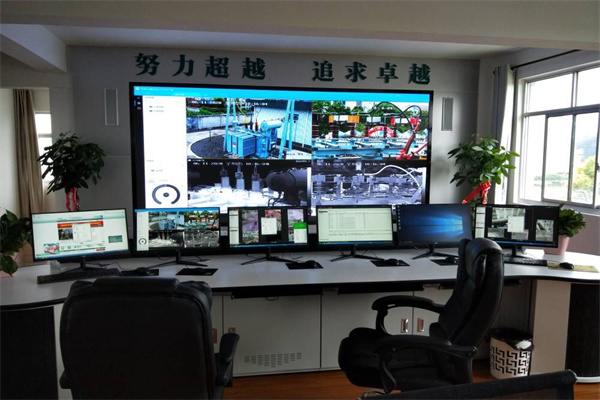
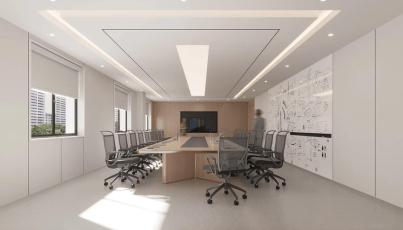
This display is ideal for commercial environments where building aesthetics and digital engagement must coexist. High-end retail stores install it on shop windows and glass storefronts to attract customers with digital campaigns without blocking the view of merchandise inside. Corporate headquarters use it on glass partitions and lobby walls to display company information or art in a sophisticated manner. Museums and galleries employ it for interactive exhibits on glass cases or as digital “windows.” In the hospitality sector, it can be found in hotel lobbies, restaurants, and bars, adding a dynamic layer to the interior design. It is also used in control rooms as see-through data overlays on viewing windows.









 Post RFQ


 Chat
Chat


 ALL CATEGORIES