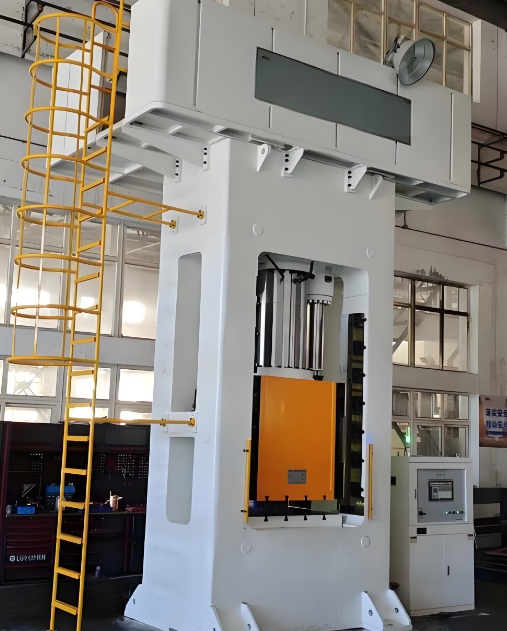
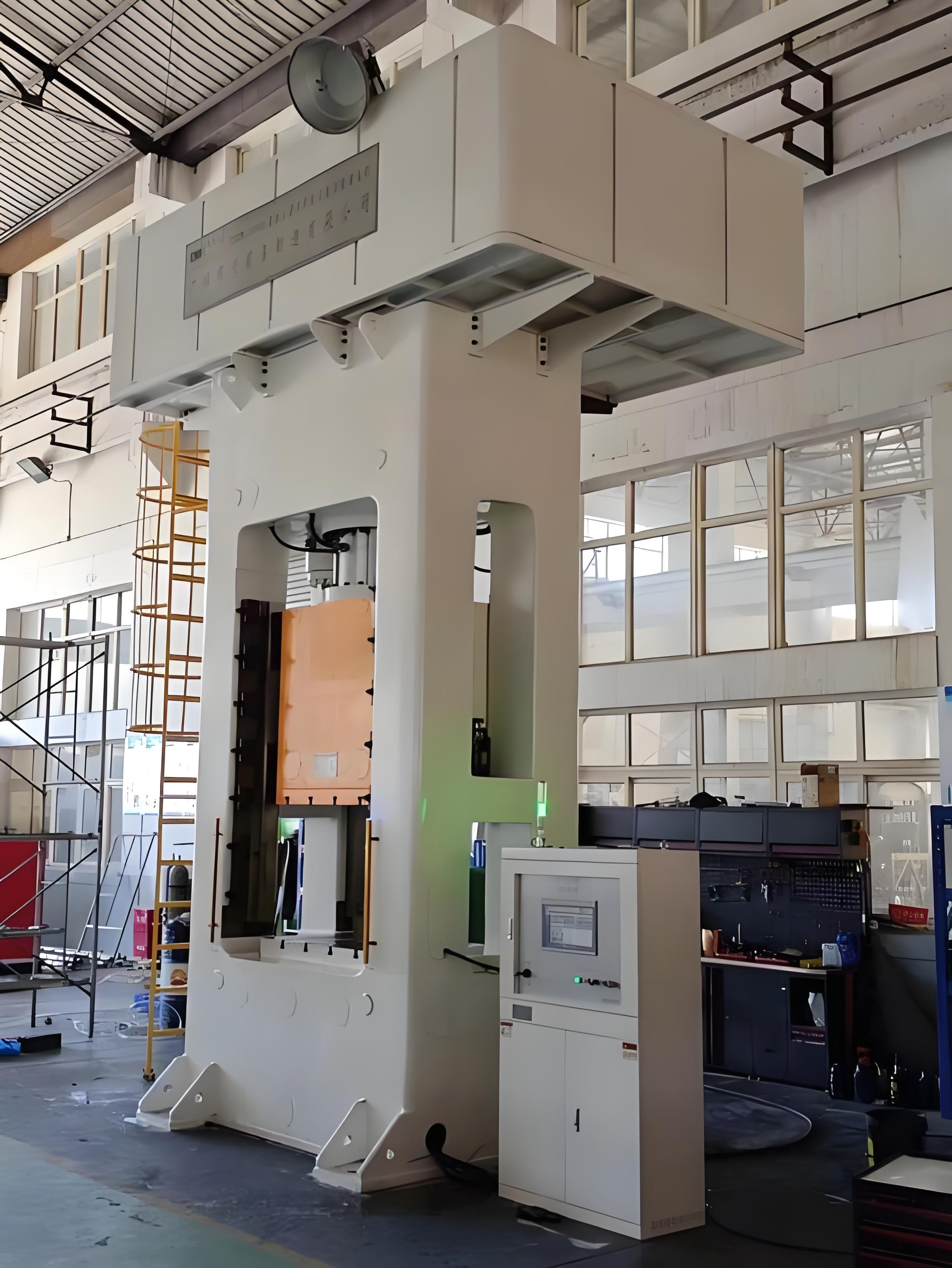




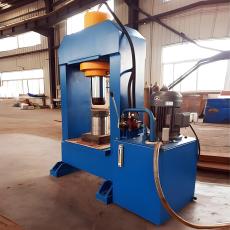
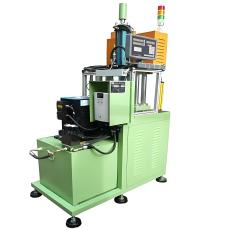
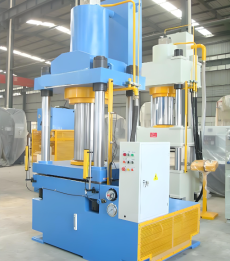
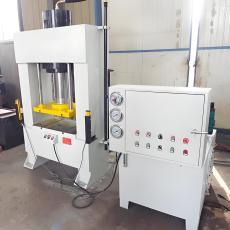
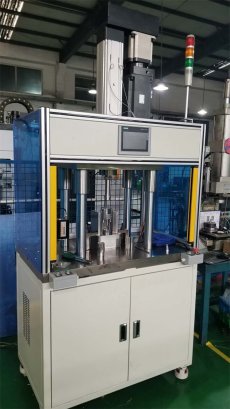
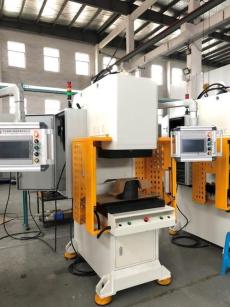
The core advantages of this precision servo hydraulic press lie in its high precision and energy saving. Firstly, the servo motor drive system can achieve stepless adjustment of pressing speed and force, with a pressure control accuracy of ±0.5% and a position control accuracy of ±0.1mm, ensuring that each processing operation achieves consistent product quality. The touch screen PLC control system provides a humanized operation interface, allowing users to easily set and adjust processing parameters. Secondly, the machine adopts an energy-saving design, reducing energy consumption by more than 30% compared to traditional hydraulic presses, and reducing operating costs. Additionally, the built-in data acquisition system can record and store all processing parameters, realizing full traceability of product quality, which meets the quality management requirements of high-precision industries such as aerospace and medical equipment.
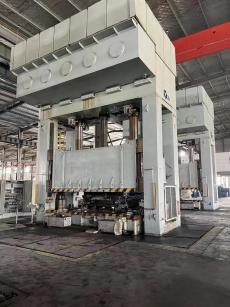
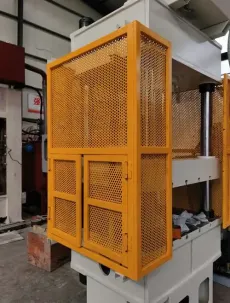
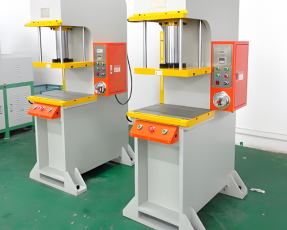
The detailed technical specifications of this precision servo hydraulic press are as follows: rated pressing pressure of 50 tons, worktable size of 800mm × 600mm, throat depth of 400mm, equipped with a 5.5kW permanent magnet servo motor, touch screen PLC control system, pressure control accuracy of ±0.5%, position control accuracy of ±0.1mm, return speed of 150 mm/s, maximum open height of 600mm, net weight of 4200 kg, equipped with a data acquisition system and hydraulic oil temperature control device. The machine supports automatic, semi-automatic and manual operation modes, and can be equipped with custom molds according to user needs.
This precision servo hydraulic press is widely used in aerospace parts processing, precision bearing assembly, electronic ceramic forming and other high-precision industries. It can be used for pressing and assembling of aerospace engine parts, precision bearing press-fitting, forming of electronic ceramic blanks and pressing of medical equipment parts. It is suitable for high-precision processing workshops with strict quality requirements, and can meet the processing needs of high-value and high-precision products. It can also be used in research and development institutions for material testing and process research.







 Post RFQ


 Chat
Chat


 ALL CATEGORIES