Basic Info
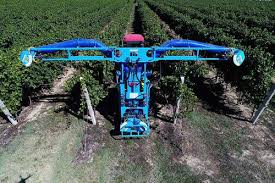
Applies electrostatic adhesion principles,imparting an electrical charge to spray droplets so they actively adhere to crop leaves(especially undersides),greatly improving pesticide deposition and utilization while reducing drift and waste.
Product Description
Product Features
Adds a high-voltage electrostatic generator(low current for safety)and charging electrode(s)to a traditional atomization system.Droplets are charged as they pass through the charging zone.Charged droplets,driven by electric field and airflow,"wrap"and adhere to plant surfaces.Can reduce chemical use by 30-50%.Especially effective for underside leaf coverage.
Product Specifications
Electrostatic voltage typically 8kV-30kV,microampere current.Charging methods include contact,induction.Requires specially formulated chemicals/adjuvants for optimal charging.Requires good insulation and safety design.
Product Application
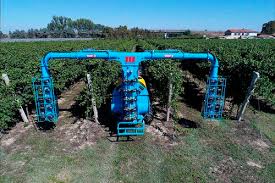
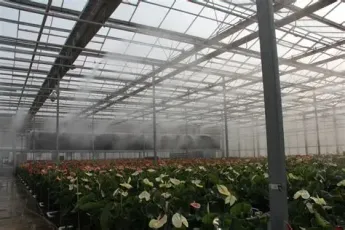
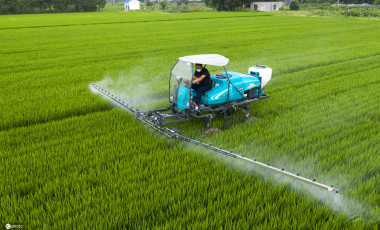
Suitable for crops requiring high chemical efficiency and underside coverage,like controlling aphids,whiteflies,spider mites,and diseases on vegetables and fruit trees.Use in greenhouses reduces humidity and residue.Also for environmentally sensitive areas requiring reduced drift.
Frequently Asked Questions (FAQ)
Q:What is the working principle and core advantage of an electrostatic sprayer?
A:A high-voltage electrostatic generator charges droplets negatively, while plant surfaces are naturally positive. This electrostatic attraction greatly increases droplet adhesion, underside coverage, and reduces chemical runoff.
Q:How much chemical can electrostatic spraying save? Is it more effective?
A:Theoretically saves 20%-30%. Due to strong adhesion and uniform coverage, especially on leaf undersides, it offers better control against pests like aphids and mites residing there.
Q:Which crops and scenarios are electrostatic sprayers suitable for?
A:Particularly effective for pests/diseases on leaf undersides (e.g., citrus, cotton, greenhouse vegetables). Also suitable for arid regions and precision agriculture scenarios aiming to reduce chemical use.
Q:What are the weather/environmental requirements for electrostatic spraying?
A:Avoid high relative humidity during operation (generally below 80%) to prevent charge dissipation. Calm or low-wind conditions are ideal to maximize electrostatic attraction and minimize drift.
Q:What is the main difference between electrostatic and conventional sprayers?
A:The core difference is the added high-voltage electrostatic system, requiring specific liquid conductivity. Special nozzle design ensures effective droplet charging, representing advanced application technology.
Q:Can the Electrostatic Sprayer truly reduce pesticide usage, and what is the principle?
A:Yes. It uses high-voltage static electricity to give droplets a negative charge, causing them to actively adhere to both sides of positively-charged plant leaves. This greatly reduces drift and runoff, increasing droplet deposition by over 30% and enabling a 20%-30% reduction in chemical usage.













 Post RFQ


 Chat
Chat


 ALL CATEGORIES