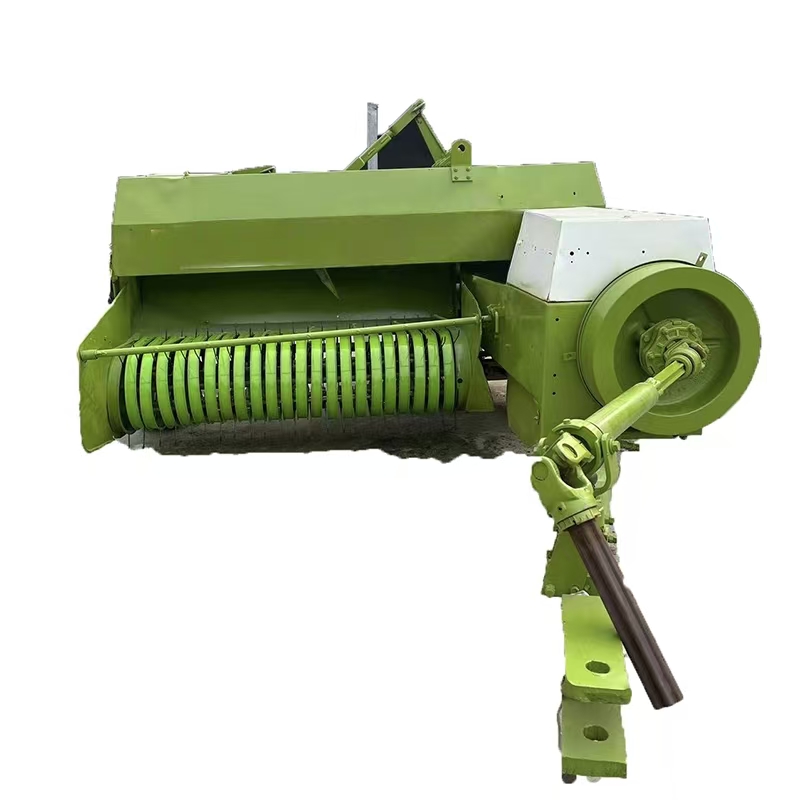

Basic Info
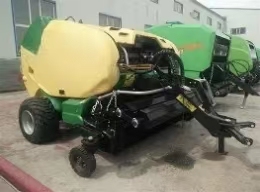
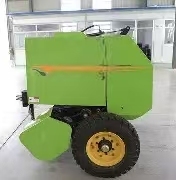
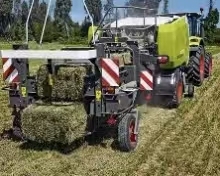
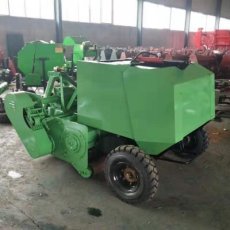
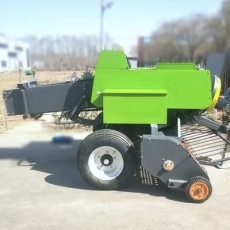
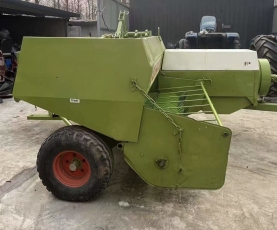
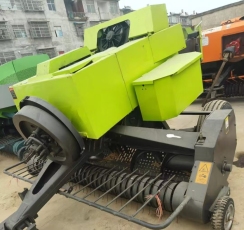
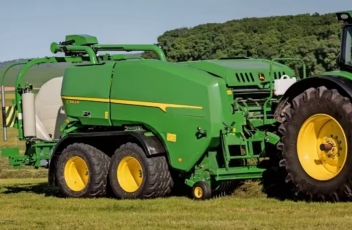
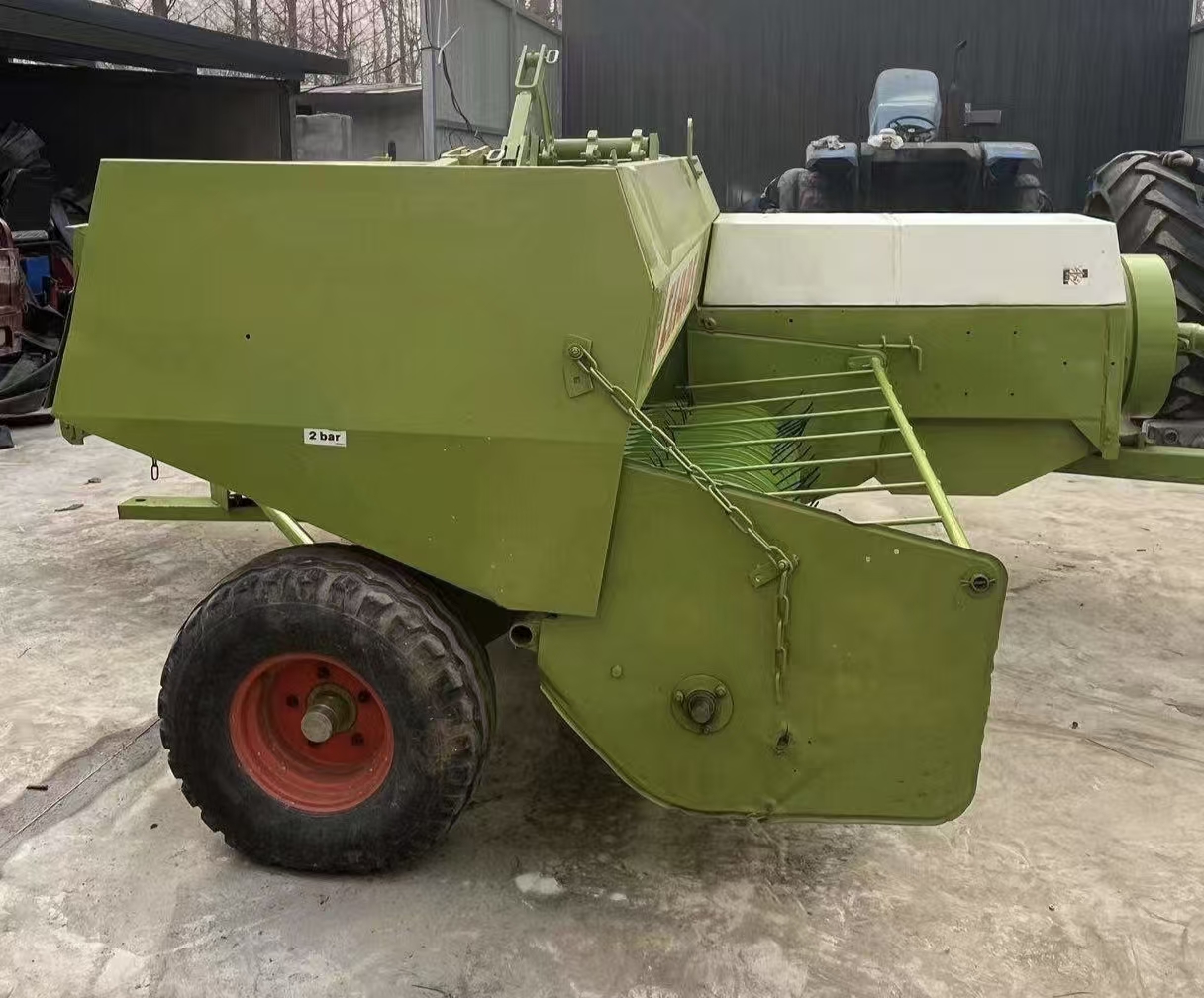
The John Deere 459 Premium is a mid-sized round baler known for its balanced performance in hay and straw harvesting.Utilizing a belt-roller design,it produces moderately dense round bales,which can aid in reducing nutrient loss and facilitating transport and storage.This model features the proprietary John Deere Premium net wrap system,aiming to provide consistent automatic net feeding and cutting for improved operational continuity.
Customer reviews
Andrei Ivanov · Professional Straw Recycling Contractor
This round baler is our primary workhorse,processing over ten thousand acres of straw in a single season.Its durability is impressive,with exceptionally reliable knotter performance and minimal twine breakage or downtime.The bales are firm outside yet fluffy inside,ensuring safe transport and ideal conditions for later ensiling,receiving positive feedback from our clients.
Maria Sanchez · Technical Manager,Professional Straw Recycling Company
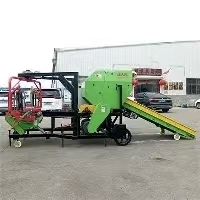
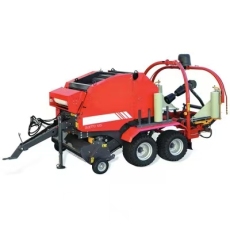
The trailed round baler-wrapper combination performed exceptionally well during the operating season.Its standard 6-layer wrapping cycle takes only 90 seconds,and the film tension control system is precise,maintaining premium silage quality after two months of field storage.The automatic film-changing mechanism has a failure rate 40%below industry average,significantly improving our operational continuity.
Erin Walters · Operations Director,Agricultural Services Company
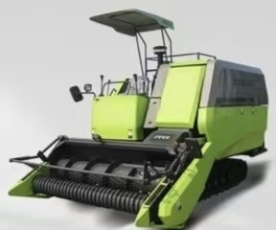
The self-propelled baler proved its value across 5000 contiguous acres.The hydrostatic drive system reduces headland turning time by 40%,and the intelligent monitoring system displays real-time forage moisture and bale weight data.Most notably,its modular design allows core component replacement in just 2 labor hours,reducing annual maintenance costs by approximately$18,000.
Product Description
Features
A key feature is the DuraCore™bale chamber,constructed with wear-resistant steel plates and reinforcements intended to enhance durability in demanding conditions.The Premium net wrap system integrates multiple sensors to monitor bale density and net supply,seeking to minimize operational interruptions.The pickup's spring-loaded tines allow for floating adjustment to reduce soil intake.Hydraulic controls for major functions aim to improve operator convenience.

Specifications
The working width is approximately 2.3 meters,equipped with a wide 120-tooth pickup.A standard hydraulic bale density control system allows the operator to adjust bale tightness based on crop conditions.Standard bale weight typically ranges from 250-450 kg.It requires a tractor with a rear PTO and dual-acting hydraulic circuits to power baling and wrapping functions.Design considerations for easier maintenance include centralized lubrication points and accessible service doors.

Applications
Primarily suited for large-scale livestock farms,hay producer cooperatives,and straw recovery operations.It is commonly used for baling alfalfa,oat hay,rice,and wheat straw.The 1.2-meter diameter bales are compatible with spike-equipped trailers for transport and can be handled by forklifts or loaders for stacking.For users requiring field storage,the relatively dense bale shape may offer some resistance to weather exposure.
Frequently Asked Questions (FAQ)
Q:What is the main difference between round balers and square balers?
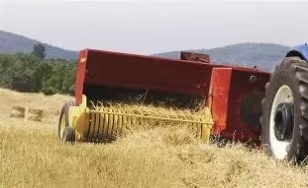
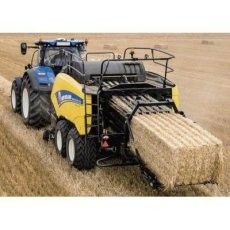
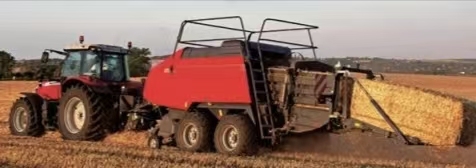
A:The key differences lie in bale shape and storage.Round balers produce cylindrical bales with a weather-resistant outer layer,suitable for outdoor storage.Square balers produce dense,uniform rectangular bales that optimize storage and transport space,ideal for commercial straw handling.
Q:What crops are round balers suitable for?
A:Round balers are well-suited for hay,straw,and some silage crops.The tightly wrapped outer layer of the cylindrical bale offers some weather resistance,making them suitable for short-term outdoor storage and a common choice for livestock farms and straw recycling.
Q:What are the core working components of a round baler?
A:Key components include the pickup,bale chamber,twine/net wrap system,and density control mechanism.The pickup gathers material,the chamber forms the bale,the twine/net secures it,and density control affects bale firmness and weight.
Q:What are the safety precautions when operating a round baler?
A:Ensure all guards are in place and keep clear of rotating parts.Never attempt to clear blockages by hand while the machine is running.Always disengage the PTO and wait for all moving parts to stop completely before inspection.Exercise extra caution on slopes.
Q:How to choose a round baler model based on my field size?
A:For large,contiguous fields(over 100 acres),large,high-capacity models are recommended for efficiency.For scattered,irregularly shaped,or smaller fields(e.g.,under 50 acres),medium or small models with a smaller turning radius offer greater flexibility and practicality.
Q:What is the maintenance schedule for a round baler?
A:Daily maintenance includes cleaning and inspecting key parts like the knotter.Lubricate all bearings and chains every 50-100 operating hours.After each season,conduct a thorough inspection of wear parts(pickup teeth,rollers),replace damaged components,and clean the machine interior.