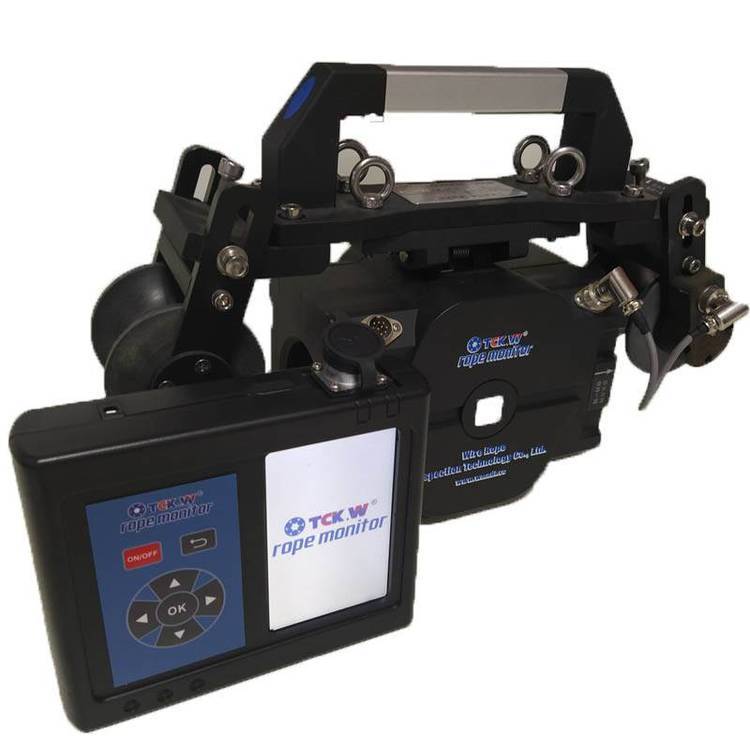
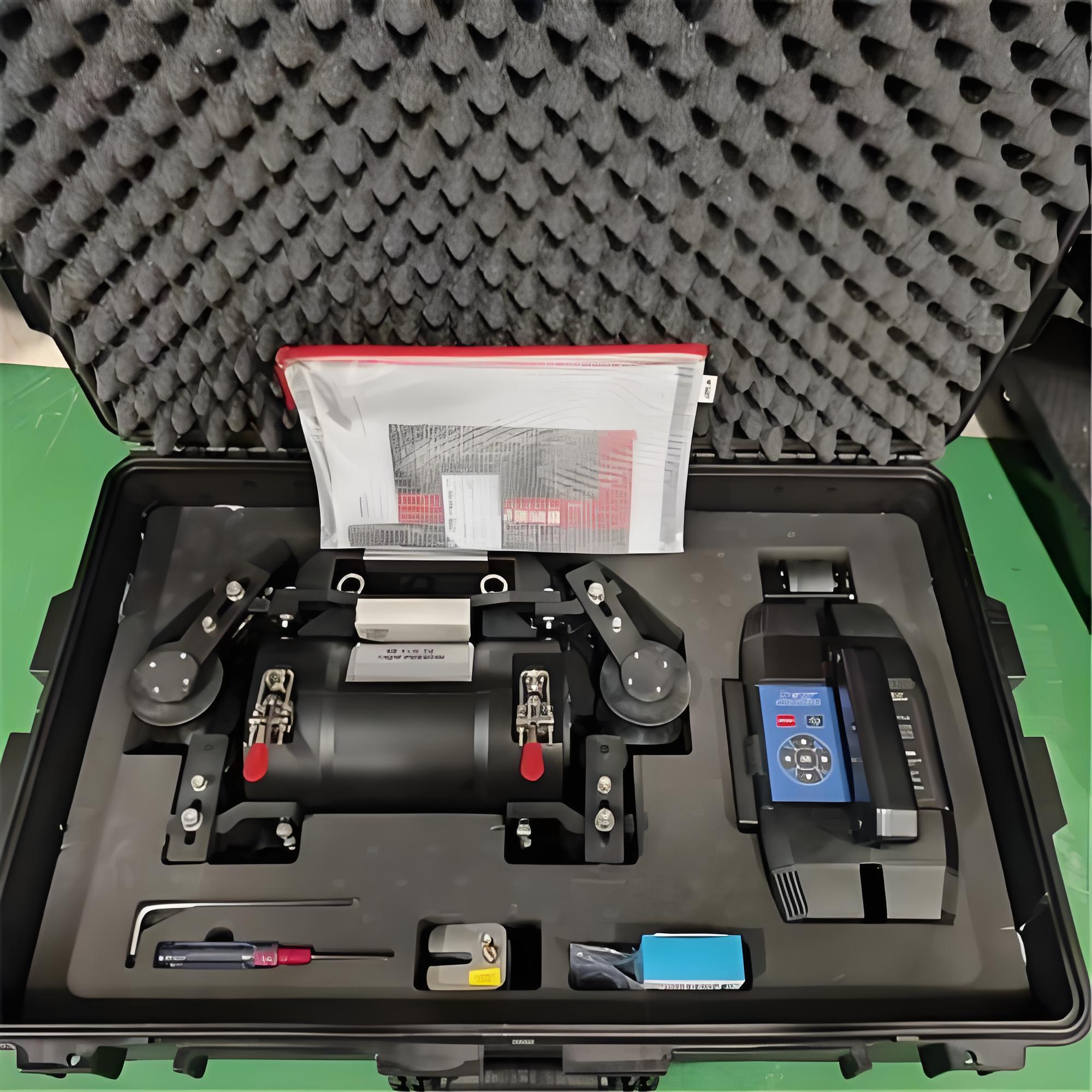



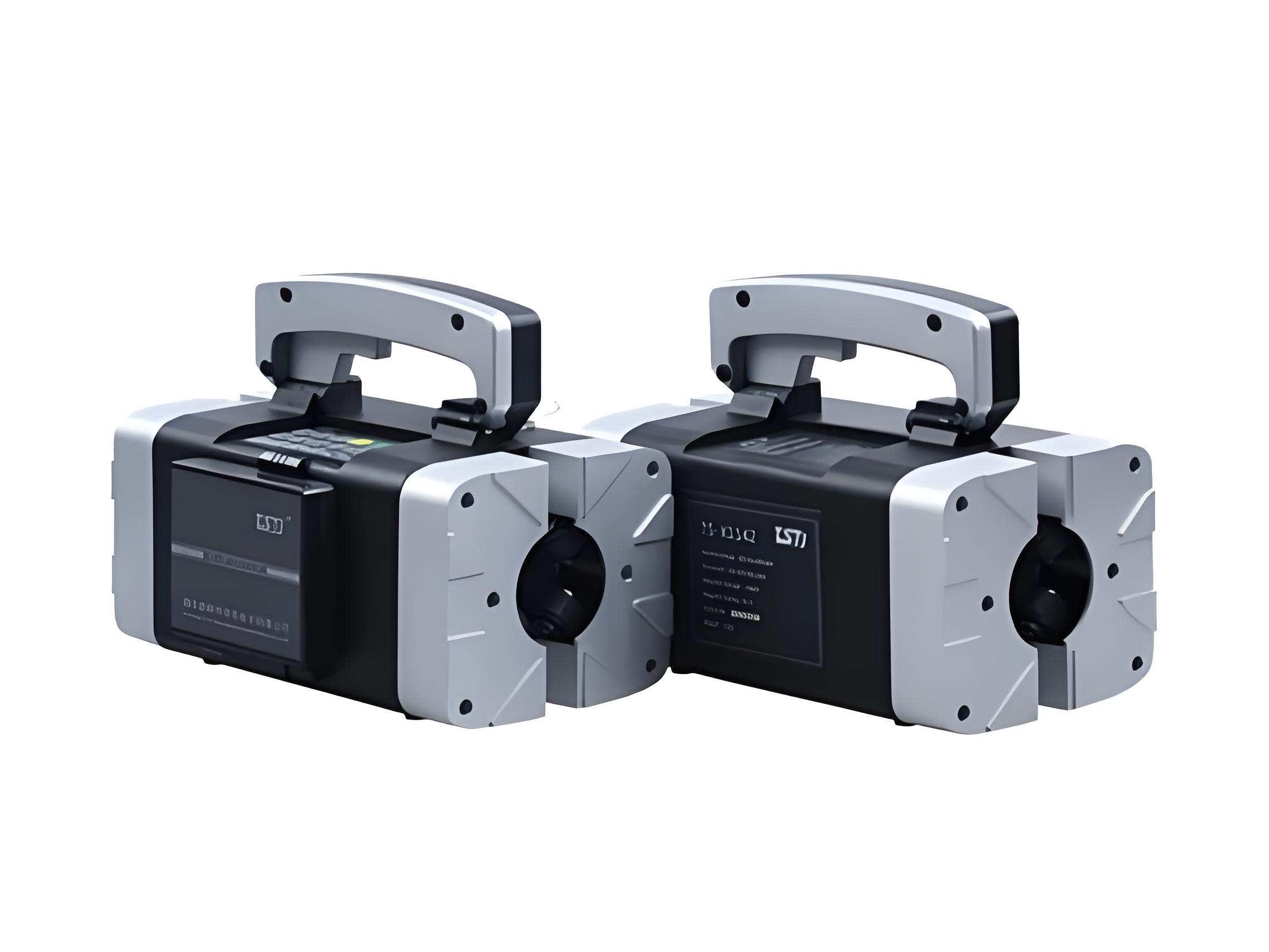
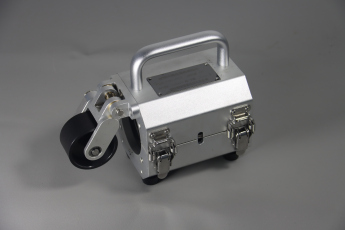
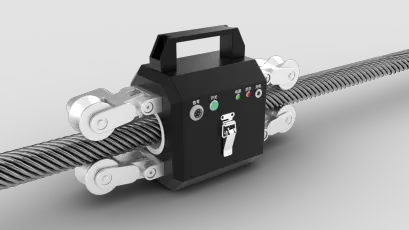
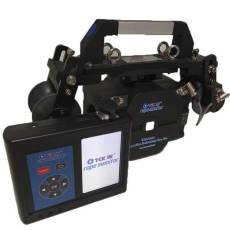
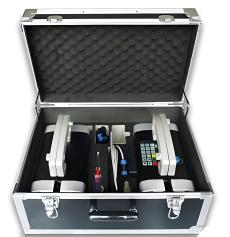
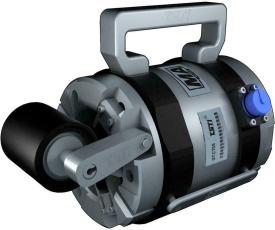
The core advantage of this vehicle-mounted detector lies in its mobile detection capability, which can move freely between multiple equipment detection points, greatly improving the efficiency of batch inspection. The multi-channel magnetic flux leakage sensor array covers the full circumference of the wire rope, ensuring comprehensive detection of all defects. The Linux industrial control system has strong stability and can work stably in complex outdoor environments. The system supports remote data push, and can send detection reports and defect warning information to the management terminal in real time, realizing intelligent safety management of wire ropes. It also supports docking with third-party equipment management platforms, and can integrate detection data into the enterprise's overall equipment management system.
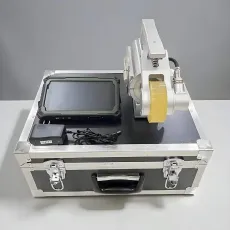
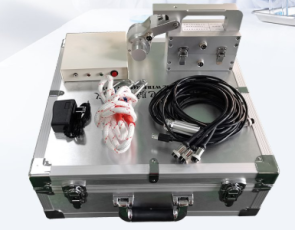
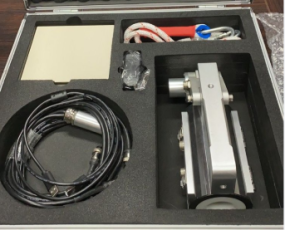
The main unit installation dimensions are 600mm × 400mm × 300mm, and the sensor array length can be customized according to the actual detection needs, with a maximum length of 1200mm. The rated power consumption is 300W, and the operating temperature range is -30℃~70℃, with a humidity tolerance of up to 95% (non-condensing). The device is equipped with a 21.5-inch industrial touch screen, which can real-time display the detection data and defect distribution map, and supports one-click generation of professional maintenance reports. The storage capacity can be expanded to 1TB, which can store 5 years of long-term detection data, meeting the needs of big data analysis.
This vehicle-mounted detector is mainly used for batch detection and regular maintenance of wire ropes in port logistics parks, mining enterprises, large-scale engineering equipment rental companies, and large-scale property management groups. It can be installed on special detection vehicles, and move between multiple port cranes, mine hoists and other equipment for rapid inspection, realizing large-scale and intelligent wire rope safety management. It can also be used for emergency detection of wire rope equipment after natural disasters such as typhoons and earthquakes, helping to quickly assess equipment safety status.








 Post RFQ


 Chat
Chat


 ALL CATEGORIES