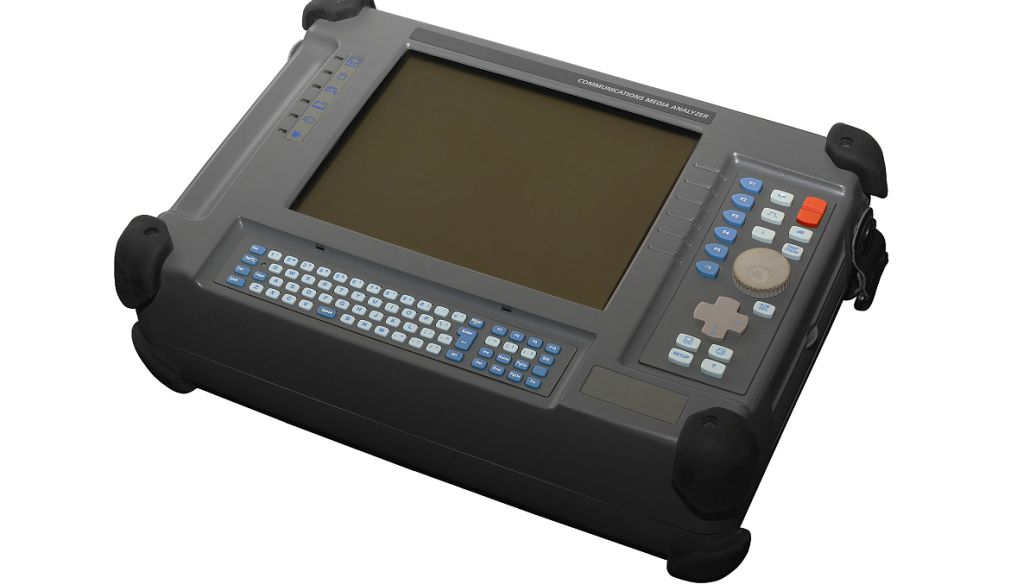


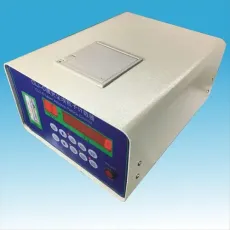
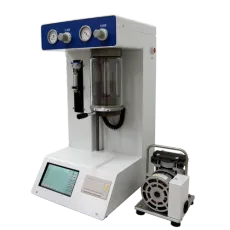
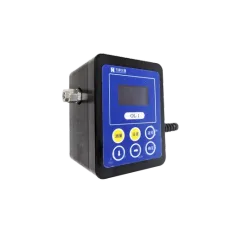
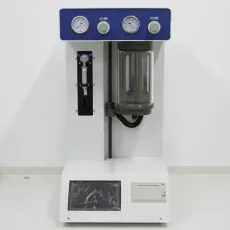
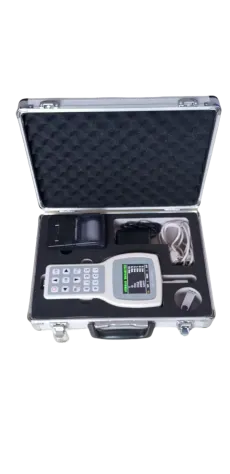
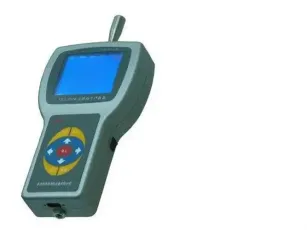
It adopts on-line laser scattering sensing technology, which can detect the particle concentration and size distribution of hydraulic oil in the pipeline in real time without sampling, solving the pain point of lag of traditional offline detection. It supports MODBUS and Ethernet industrial bus protocols, and can be directly connected to the factory SCADA system for centralized data management and control. It has a multi-level concentration alarm function, which will automatically trigger sound and light alarms when the particle concentration exceeds the preset threshold, reminding maintenance personnel to deal with it in time. The body is made of IP65 waterproof and dustproof material, adapting to the complex industrial environment of the workshop. It supports cloud data storage and local storage, and can trace historical monitoring data to generate monthly/quarteral pollution trend reports, helping enterprises formulate preventive maintenance plans.
The detection particle size range covers 1μm to 1000μm with 8 standard particle size channels. The online monitoring flow rate ranges from 5 to 20L/min, adapting to most industrial hydraulic pipeline specifications. It is powered by AC 110/220V wide voltage, adapting to global industrial power supply standards. It adopts pipeline insertion installation, which can be deployed quickly without modifying the original pipeline structure. The working temperature range is 0℃ to 50℃, and the humidity range is 30%~90%RH without condensation. It has an automatic cleaning function, which can regularly purge the sensor lens to avoid oil contamination affecting detection accuracy. The built-in industrial processor has a data response delay of ≤1s. It has passed ISO 11171 certification, meeting the industry standards for hydraulic oil particle detection. It supports outputting multiple pollution grading reports such as ISO 4406, NAS 1638 and SAE AS4059 at the same time.
It is suitable for hydraulic systems of engineering machinery, hydraulic stations of metallurgical rolling mills, hydraulic pipelines of aerospace manufacturing workshops, marine hydraulic equipment, hydraulic systems of injection molding machines and other scenarios. It can monitor the pollution status of hydraulic oil in real time for 24 hours, early warn equipment faults caused by particle wear, reduce unexpected shutdown losses, and meet the explosion-proof and safety certification requirements of industrial sites, adapting to heavy industrial production environments.








 Post RFQ


 Chat
Chat





 ALL CATEGORIES