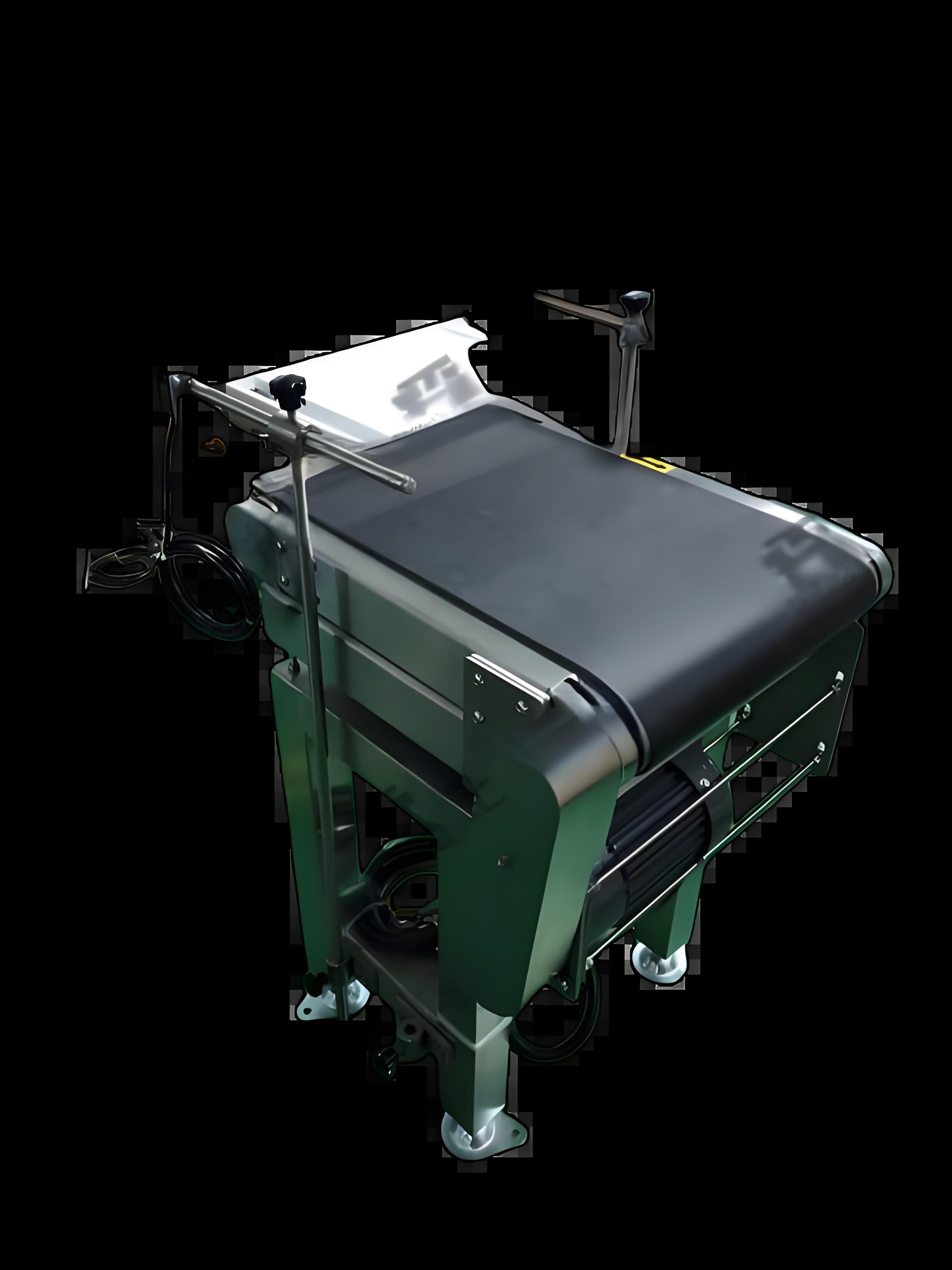
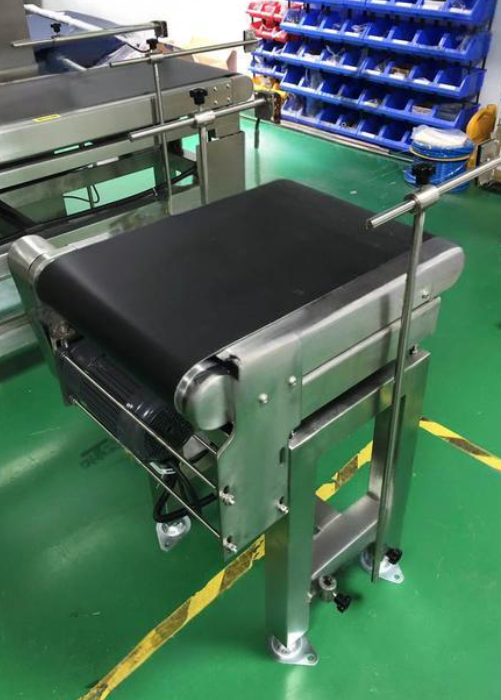




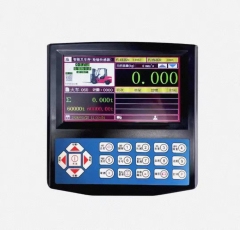
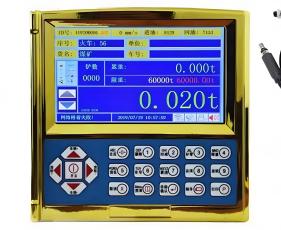
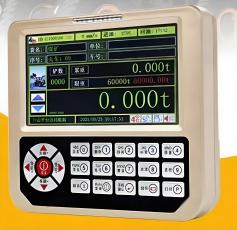
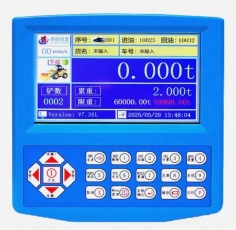
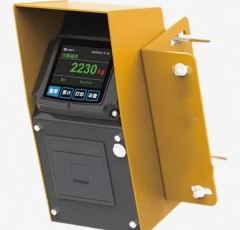
It adopts high-precision weighing sensors certified by OIML, with an error control of less than 0.5%. It is equipped with a contact speed measurement module to ensure accurate speed collection. The automatic calibration function eliminates the need for frequent manual debugging. The IP65 protection grade is suitable for dusty and humid workshop environments. The modular design is easy to install and maintain, and supports multi-device networking and cluster management. It can synchronize weighing data to the cloud platform in real time, helping enterprises realize visual production data and fine management, solving the industry pain points of tedious calibration and lagging data of traditional belt scales.
The weighing accuracy complies with the international OIML R50 Class 0.5 standard, with a weighing range covering 10 to 500 tons per hour. It is suitable for industrial belts with a width of 500mm to 2000mm. The frame is integrally formed of Q235 carbon steel, with strong deformation resistance. The IP65 protection grade can resist dust and a small amount of water splashes. It is powered by a standard 220V AC power supply, 50/60Hz, which is suitable for most regions' power grids around the world. The speed measurement adopts contact rollers, with a collection error of less than 0.1%. The automatic weight calibration system can automatically complete zero calibration and range calibration regularly. The output interface supports RS485 and Modbus TCP protocols, and can be connected to mainstream industrial control systems. The overall size is 1500×800×1200 millimeters, the net weight is 850 kilograms, and the working temperature range is -10°C to 60°C.
It is mainly suitable for continuous conveying material weighing scenarios in industries such as auto parts manufacturing, mechanical processing, building material production and metallurgical mines. It can accurately measure the conveying volume of bulk materials such as sand, coal, steel and chemical particles. It is suitable for online weighing links in factory assembly lines, helping enterprises realize accurate statistics of material circulation, optimize production feeding plans and inventory management, and improve production efficiency and cost control capabilities.










 Post RFQ


 Chat
Chat


 ALL CATEGORIES