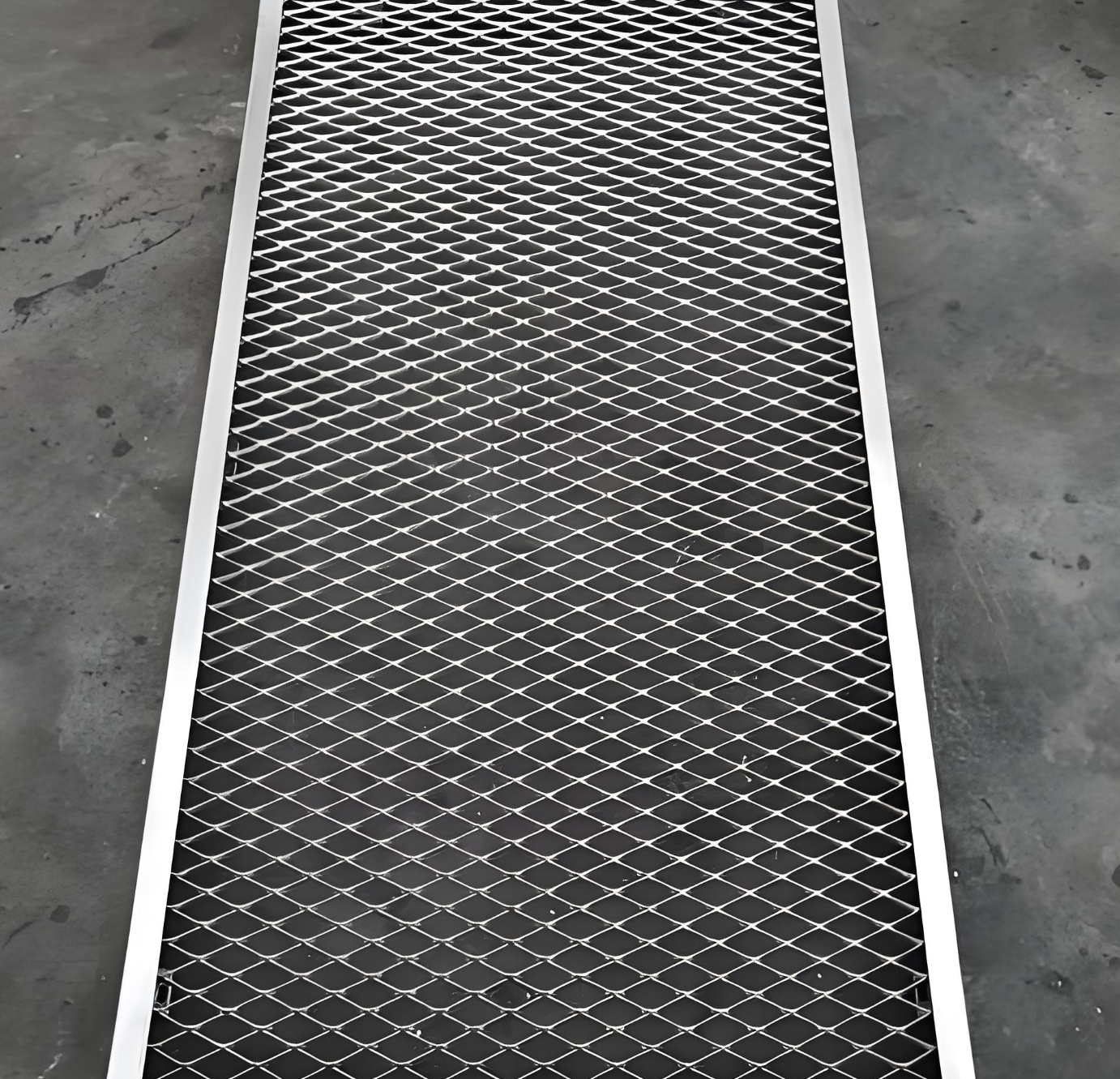
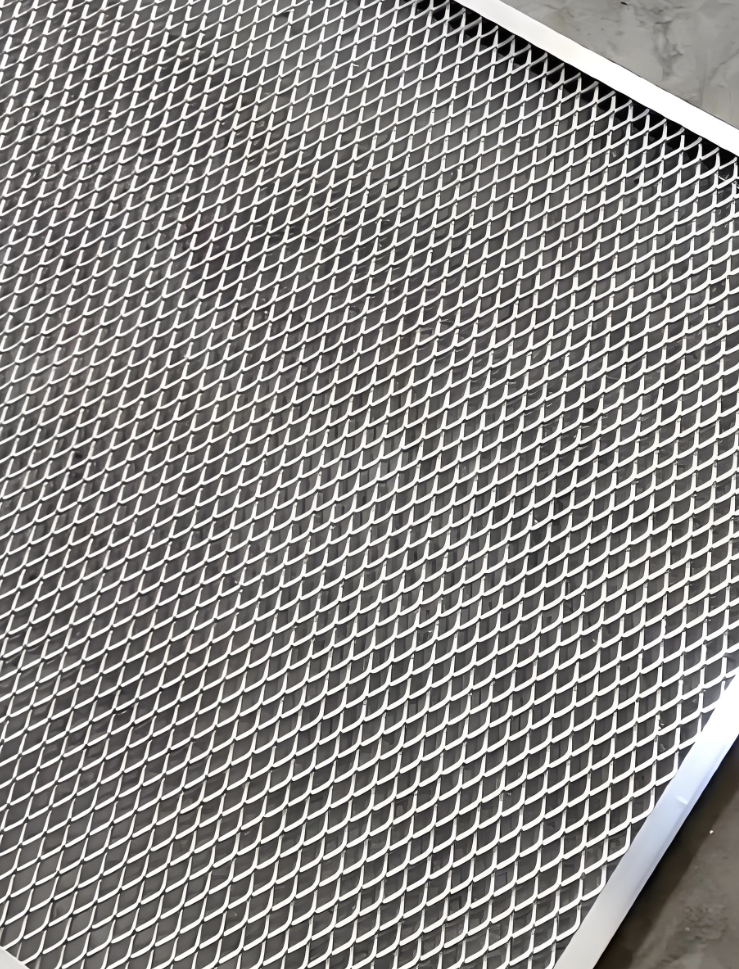





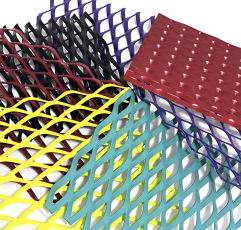
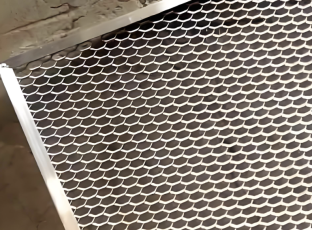
The core competitive advantages of this heavy-duty expanded aluminum mesh include its high tensile strength that meets industrial safety standards, which can effectively resist impact and deformation during use. Compared with traditional steel protective nets, its aluminum alloy material is 70% lighter, reducing transportation and installation costs significantly. The anodized surface treatment forms a dense protective film, providing excellent salt spray resistance and weather resistance, suitable for harsh industrial and outdoor environments. The diamond mesh structure ensures good ventilation while blocking debris and unauthorized access, solving the pain points of heavy steel nets, high maintenance costs and poor ventilation in traditional protection solutions. It can also be customized in size and mesh specifications to match different application scenarios.
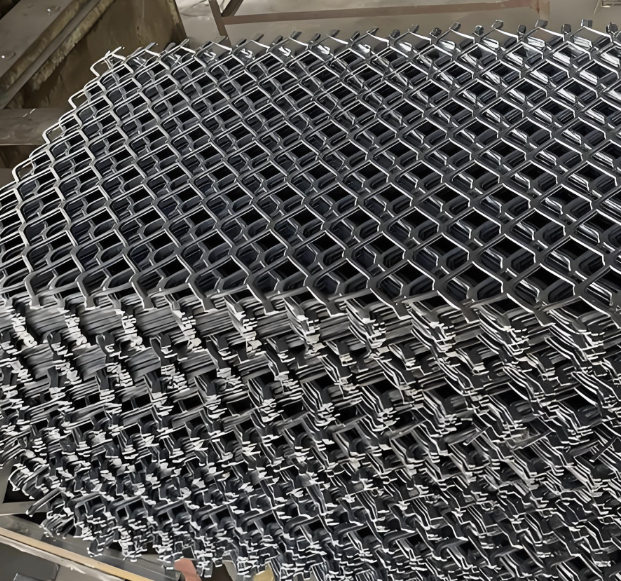
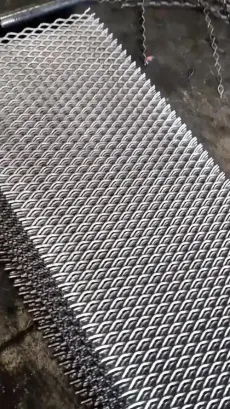
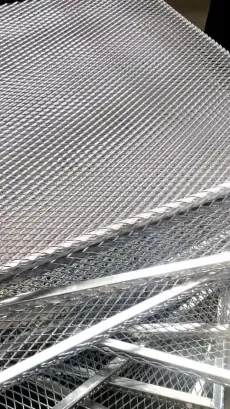
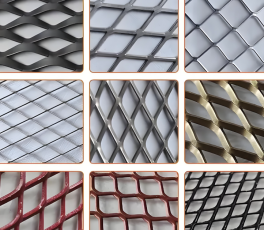
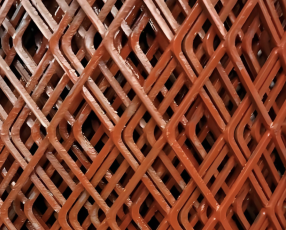
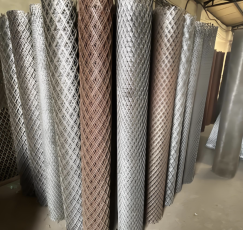
This product has strict technical parameters: the base material is 1060 pure aluminum alloy with a thickness of 1.5mm, the standard mesh shape is diamond with a hole size of 50mm x 100mm, and the fixed specification is 1220mm in width and 3050mm in length. The tensile strength of the mesh is not less than 180MPa, and the anodized film thickness is controlled between 8-12μm, ensuring long-term corrosion resistance. The fire rating reaches UL94 V-0, meeting industrial fire safety requirements. The single square meter weight is about 2.8kg, which is far lower than the same specification steel protective net. The product has a flat surface without burrs, and the edge treatment is smooth to avoid scratching during installation and use. Customized specifications such as mesh size, thickness and surface color are supported according to customer needs.
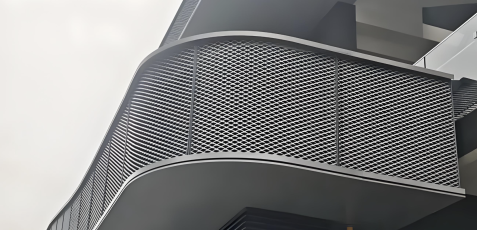
This heavy-duty expanded aluminum mesh is widely used in various industrial scenarios. It is mainly used as a protective fence for industrial workshops, isolating dangerous equipment and preventing unauthorized personnel from approaching. It can also be made into protective covers for engineering machinery such as cranes and excavators, preventing debris from entering the equipment and reducing wear. In port and logistics parks, it can be used as a partition net for cargo storage areas, with good ventilation to avoid moisture accumulation of goods. In addition, it can also be used as a protective barrier for outdoor substations and wind power facilities, providing reliable safety protection while adapting to complex outdoor environmental conditions.







 Post RFQ


 Chat
Chat


 ALL CATEGORIES