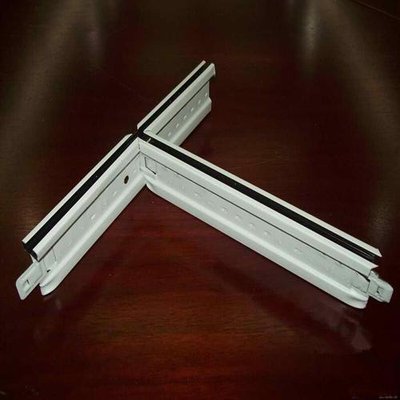
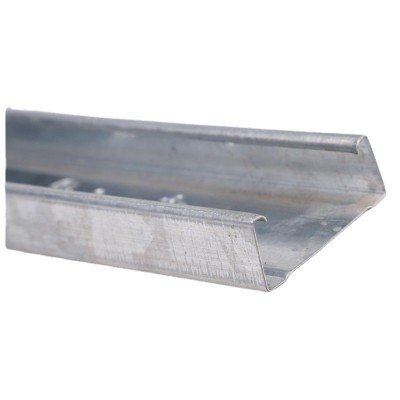





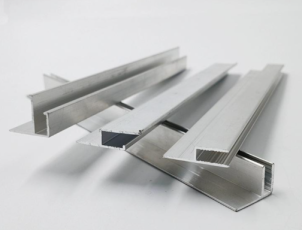
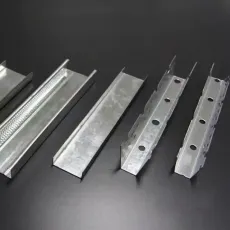
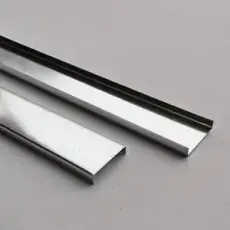
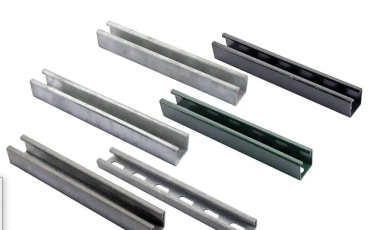
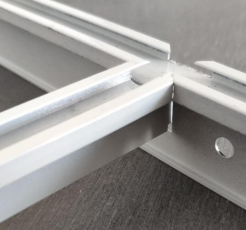
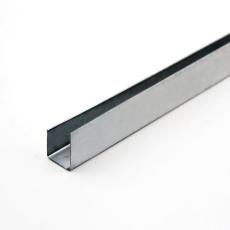
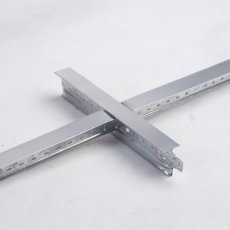
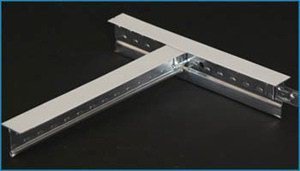
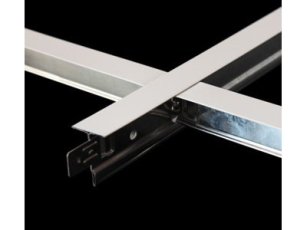
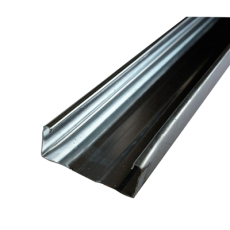
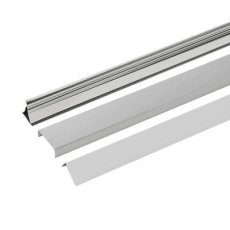
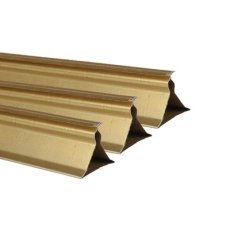
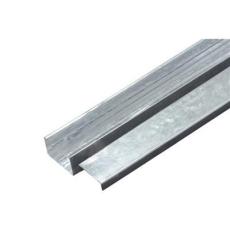
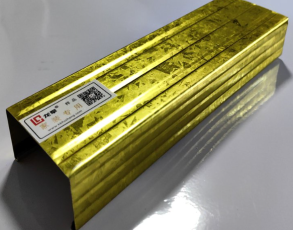
The V-shaped cross-section design is the core feature of this joist,with its sloped web providing a precise mounting base and stop for the panels.The product typically exhibits high straightness tolerance to ensure straight and smooth lines when joined.In steel versions,its mechanical performance is similar to conventional joists,while the aluminum version offers a lighter weight and superior corrosion resistance.Beyond basic anti-corrosion galvanizing,surface finishes often include a wide range of powder coating color options,allowing the joist itself(in exposed systems)or just the line seams to become an integral part of the design.
A key specification is the degree of the V-angle,with common fixed angles being 90°or 120°,which directly determines the sharpness of the final ceiling lines.The web height influences the visual weight of the system and the internal plenum space available.Material thickness selection relates to span and load-bearing requirements.For products with an adjustable angle design,the range of adjustment and the reliability of the locking mechanism are important parameters.The joist length and connection interface must match the module of the companion panels and edge trim system to ensure pattern integrity.
Primarily used in commercial and public spaces that emphasize design,such as brand retail stores,hotel lobbies,high-end office areas,art venues,and airport lounges.It is employed to construct herringbone,chevron,or other diagonal pattern ceilings.The system can be paired with various materials like metal sheets,acoustic panels,wood veneers,or even glass panels.This design can guide visual flow,visually adjust spatial proportions through the density variation of lines,and combine aesthetics with some acoustic diffusion functionality.








 Post RFQ


 Chat
Chat


 ALL CATEGORIES