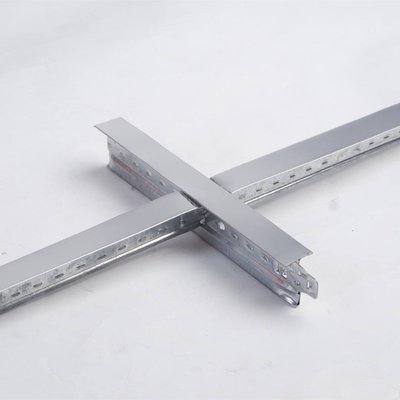





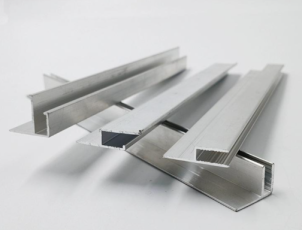
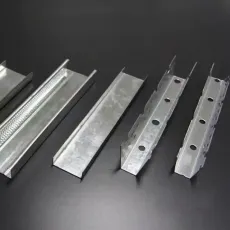
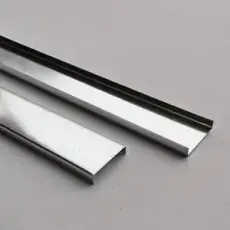
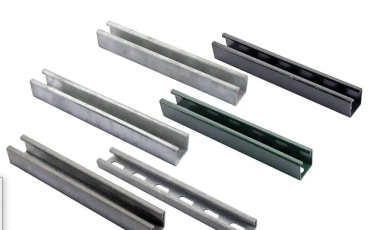
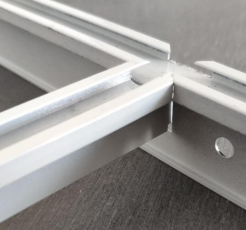
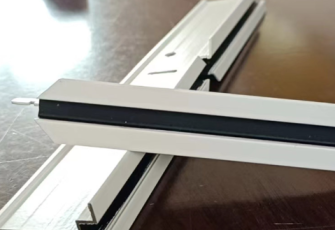
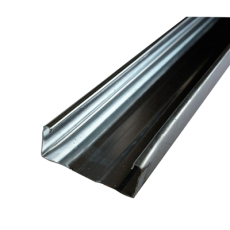
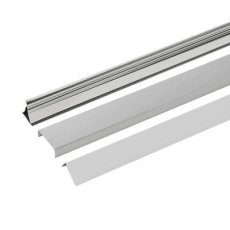
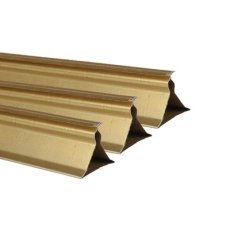
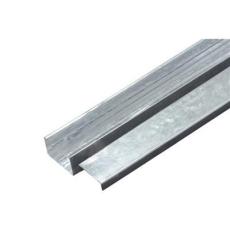
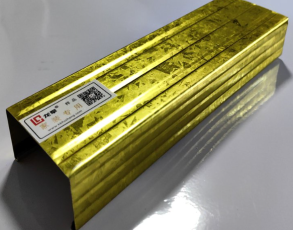
Excellent corrosion resistance is a primary feature,allowing use in high-humidity areas without rust concerns.The material is non-magnetic and possesses inherent resistance to mold.Anodizing creates a hard,wear-resistant oxide layer on the surface,offering translucent,metallic colors.The extrusion process allows for complex,high-precision cross-sectional shapes to achieve various special clip-in and decorative functions.Its low density makes handling and installation less labor-intensive.
The mechanical properties(e.g.,yield strength,Webster hardness)of the profile are directly related to the aluminum alloy grade(e.g.,6063-T5)and wall thickness.The thickness and grade of the anodized layer(e.g.,AA15)are key quality metrics.Straightness,twist,and other geometric tolerances are typically controlled tightly to ensure a flat installation.The load-bearing capacity of the system requires specific calculation based on the profile cross-section and wall thickness.
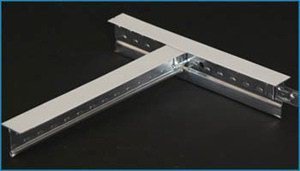
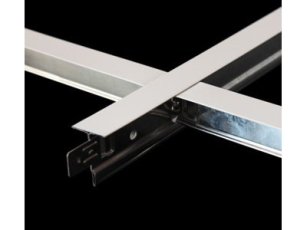
Extensively used in locations with special environmental requirements,such as areas surrounding indoor pools,coastal buildings,hospital operating rooms,electronics cleanrooms,chemical laboratories,and wet areas in high-end commercial spaces(restrooms,kitchens).In exposed grid systems,its refined anodized finish often serves as a decorative highlight.It is also commonly used as the primary suspension and fixing framework for open-cell aluminum grids,aluminum baffles,and aluminum linear ceilings.








 Post RFQ


 Chat
Chat


 ALL CATEGORIES