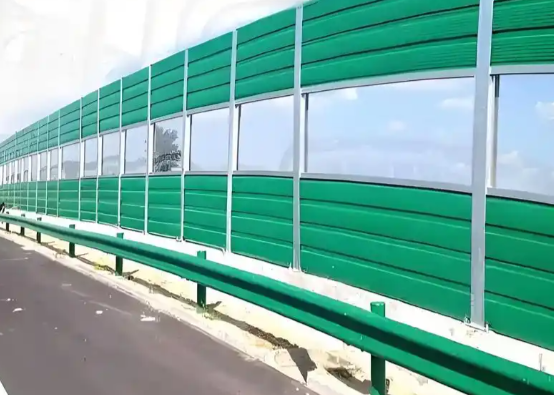
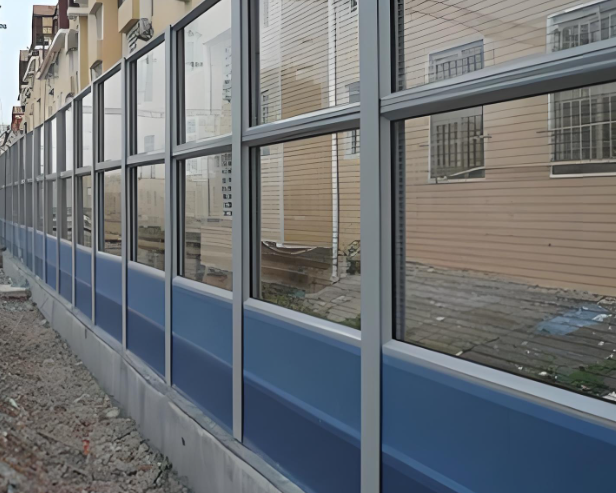


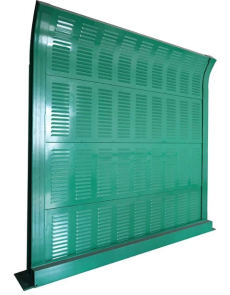
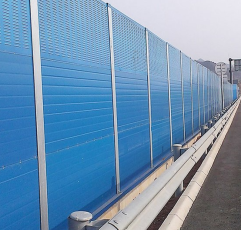
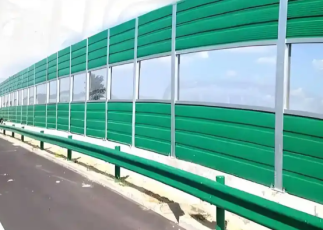
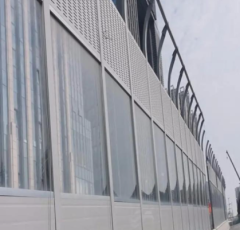
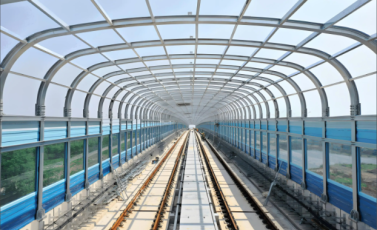
This sound barrier’s key differentiator is its 85% light transmission rate, allowing unobstructed views of railway tracks and surrounding scenery, unlike opaque metal or concrete barriers. The toughened polycarbonate sheet resists impact from stone debris kicked up by train wheels, meeting EN 12600 standards for impact resistance, which reduces the risk of panel damage and associated maintenance costs. The UV-coated surface prevents yellowing and degradation from sunlight, ensuring 20 years of clear visibility and noise reduction. The aluminum alloy frame is lightweight yet durable, resisting corrosion in coastal or industrial railway environments. The modular bolt-on system allows quick installation and replacement of damaged panels, minimizing disruption to railway operations. Additionally, it delivers 32-38 dB of noise reduction, effectively blocking train horn blasts, wheel rumble, and brake screech, addressing the pain points of sleep disturbance and reduced property value for nearby residents.
.
Each panel measures 1.8m in width and 3-5m in height, with a polycarbonate sheet thickness of 12mm. The aluminum alloy frame is 6063-T5, with a 40x40mm profile for structural rigidity. The barrier has a Noise Reduction Rating (NRR) of 32-38 dB, tested to ASTM E90 standards. Impact resistance meets EN 12600 (Class B), withstanding impacts from 1kg steel balls at 5m/s. UV transmission is <5%, protecting the polycarbonate from yellowing and degradation. Each panel weighs 35kg, making it manageable for two workers to install without specialized equipment. Installation uses a modular bolt-on system with posts spaced every 1.8m, anchored to concrete footings or bridge decks. Temperature resistance ranges from -30°C to 80°C, ensuring performance in both cold winter and hot summer climates. Maintenance requires annual cleaning with mild detergent and water to remove dust and bird droppings, and quarterly inspections for frame tightness and panel integrity.
This sound barrier is ideal for urban commuter railway lines adjacent to residential buildings, light rail systems passing through commercial districts, train station platforms, and suburban railway tracks near parks. It is also suitable for high-speed rail lines within 300m of communities, railway bridges over residential areas, and heritage railway lines where scenic views are a priority. Transit authorities can install it to comply with local noise pollution regulations, while railway operators can use it to improve passenger safety (by preventing debris from entering tracks) and reduce community complaints. Municipal governments can integrate it into urban renewal projects to enhance the aesthetic of railway corridors without blocking natural light or scenic views. Additionally, it is suitable for areas where opaque barriers would disrupt local tourism or landscape aesthetics, providing a balance between noise control and visual appeal.







 Post RFQ


 Chat
Chat


 ALL CATEGORIES