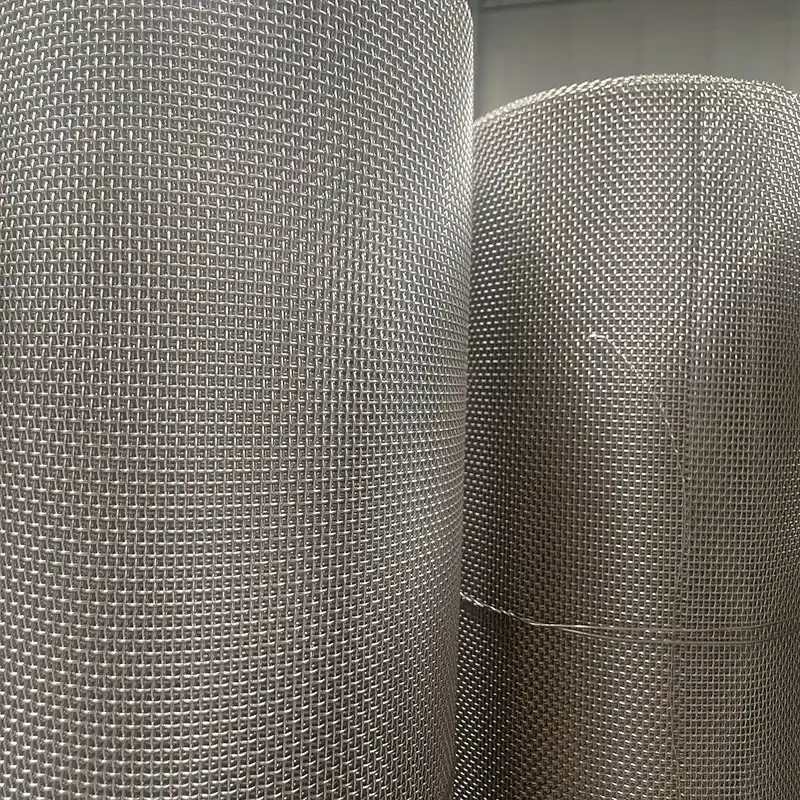
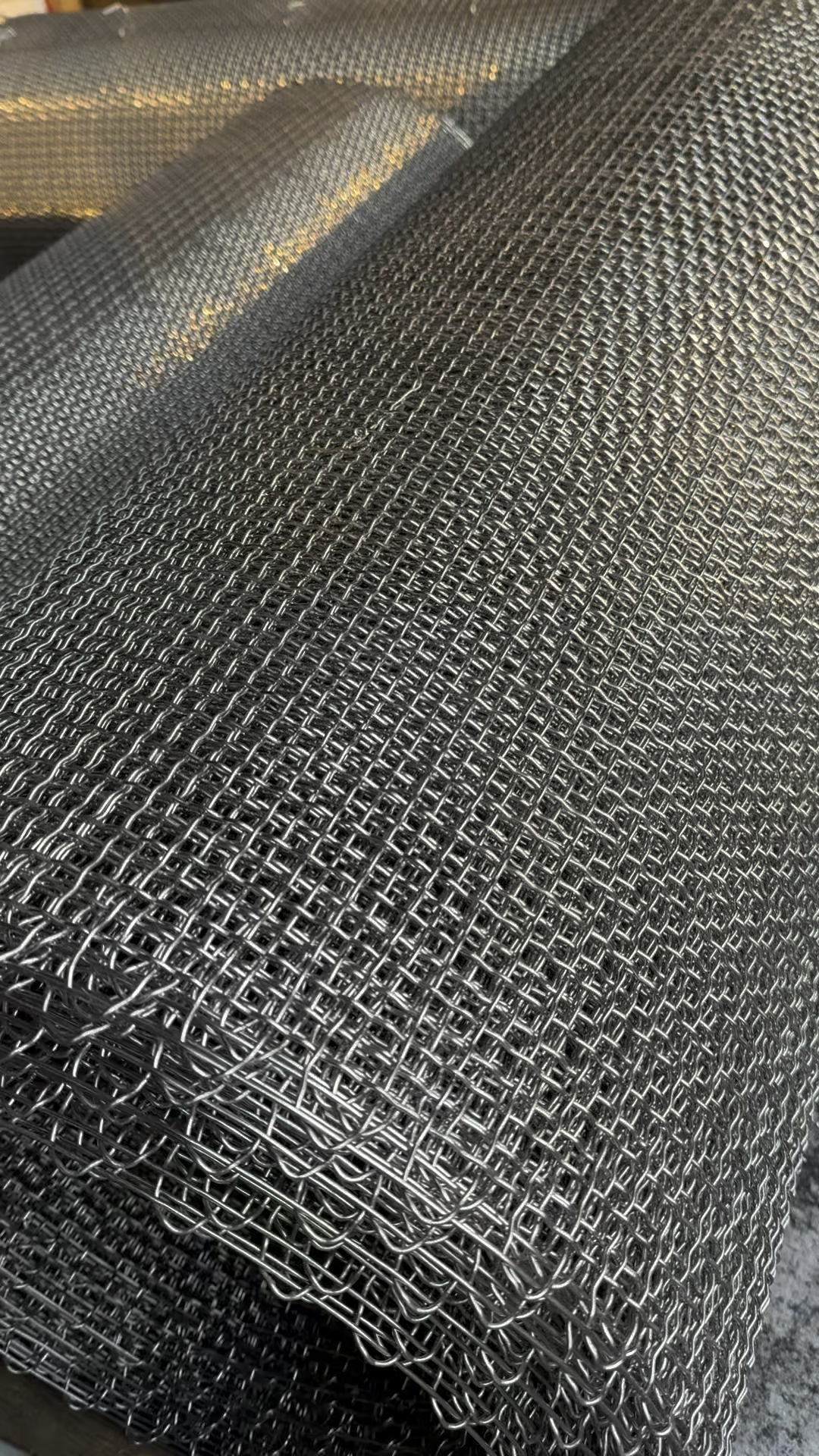




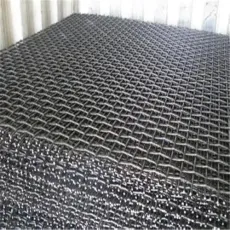
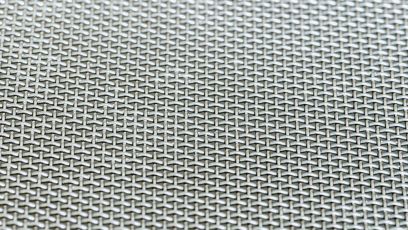
This high-temperature mesh offers unique advantages that solve critical pain points in thermal processing industries. The 310S stainless steel material provides excellent high-temperature oxidation resistance, forming a dense chromium oxide layer on the surface to protect the mesh from degradation at temperatures up to 1200℃. The plain weave structure ensures uniform mesh openings, enabling efficient high-temperature gas filtration and thermal insulation while allowing for proper air flow in industrial furnaces. The 0.8mm wire diameter delivers exceptional tensile strength at high temperatures, preventing mesh deformation or breakage during thermal cycling. Compared to common heat-resistant materials such as ceramic fibers, it offers superior durability and resistance to mechanical impact, reducing the risk of damage during installation and maintenance. It meets ISO14001 environmental certifications, ensuring compliance with global emissions regulations for industrial thermal processing. Additionally, it offers excellent corrosion resistance against high-temperature corrosive gases such as sulfur dioxide and nitrogen oxides, making it suitable for waste incineration and glass manufacturing processes.
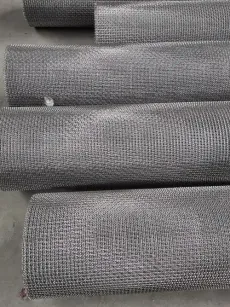
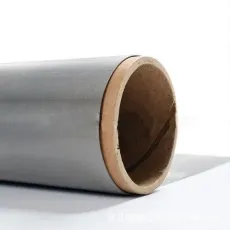
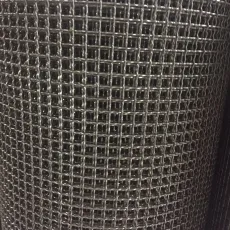
Constructed with a 0.8mm thick 310S heat-resistant stainless steel wire, this mesh is designed to withstand extreme thermal conditions. The plain weave structure creates 5mm x 5mm square mesh openings, providing optimal balance between thermal insulation and gas flow in industrial furnaces. The standard width of 1.5m and roll length of 15m allow for easy installation in furnace linings, thermal insulation systems, and high-temperature filtration equipment. It delivers a temperature resistance range of -50℃ to 1200℃, enabling stable performance in continuous high-heat processes such as steel smelting, glass melting, and cement clinker production. The high-temperature corrosion resistance grade ensures it can withstand prolonged exposure to 10% sulfur dioxide gas at 1000℃ without significant oxidation or material degradation. The pickling passivation surface treatment removes scale and impurities, enhancing the mesh’s high-temperature oxidation resistance. Each roll is packaged in a heat-resistant fiberglass bag to prevent damage during transportation. The mesh’s tensile strength at 1000℃ reaches 280MPa, ensuring structural integrity in extreme high-temperature environments.
This high-temperature 310S stainless steel mesh is widely used in thermal processing industries. In metallurgy, it is used as a furnace lining component and high-temperature gas filter in steel smelting furnaces, protecting furnace walls from thermal damage and filtering out dust and impurities from exhaust gases. In glass manufacturing, it is employed in melting furnaces to hold molten glass and prevent contamination from furnace refractories, ensuring the production of high-quality glass products. In cement production, it is used in preheater systems to filter high-temperature dust and prevent blockages in heat exchange equipment. In waste incineration plants, it serves as a high-temperature gas filter to remove toxic particles and heavy metals from exhaust gases, ensuring compliance with environmental emissions regulations. It is also suitable for aerospace and automotive heat treatment processes, providing thermal insulation and filtration in high-temperature ovens for component hardening. Industrial furnace manufacturers, thermal processing plants, and waste management facilities rely on its high-temperature resistance and durability to maintain efficient and compliant operations.








 Post RFQ


 Chat
Chat


 ALL CATEGORIES