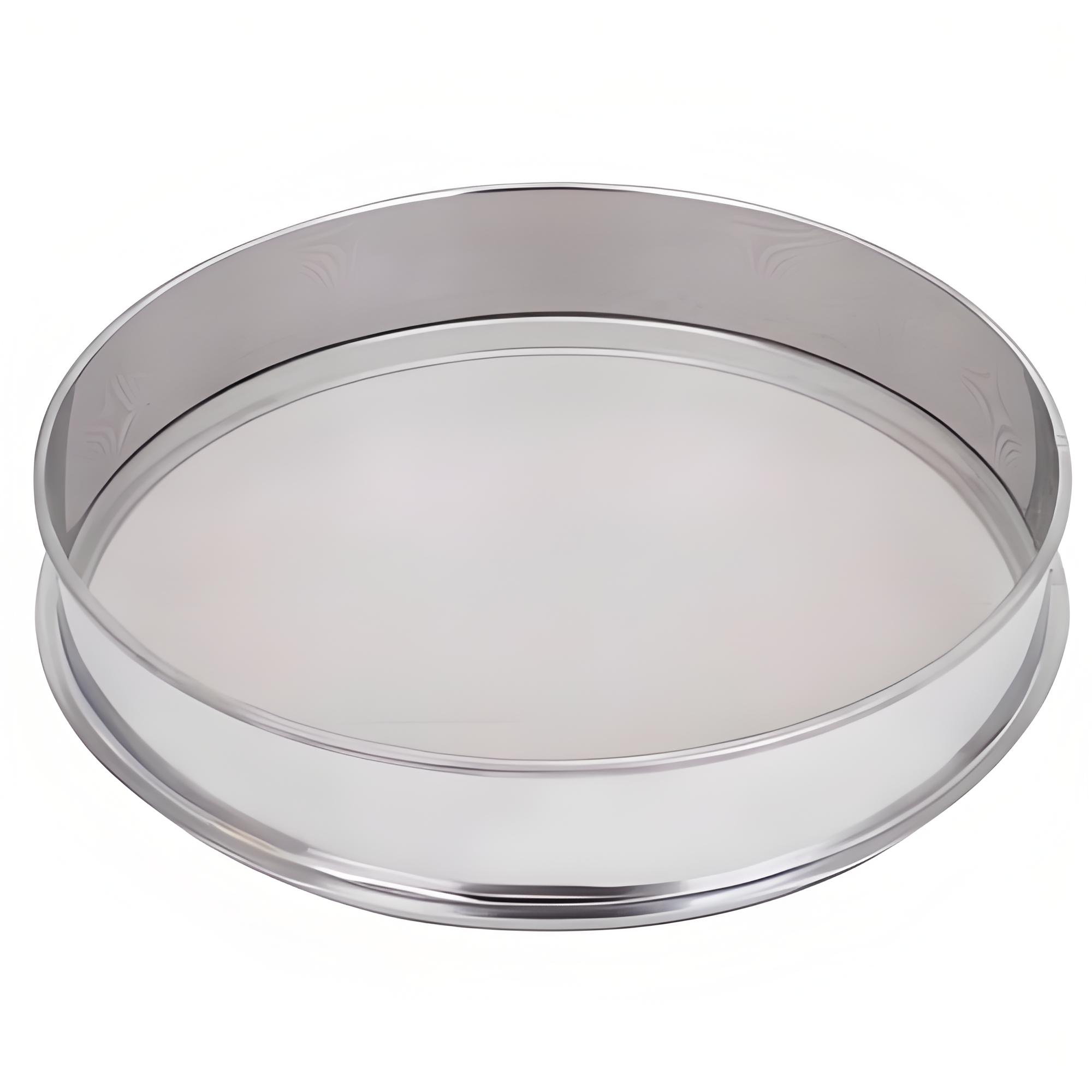


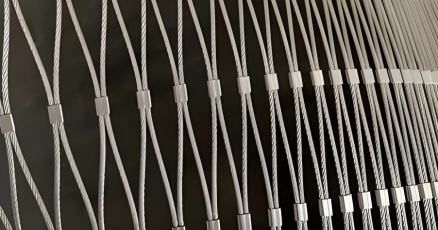
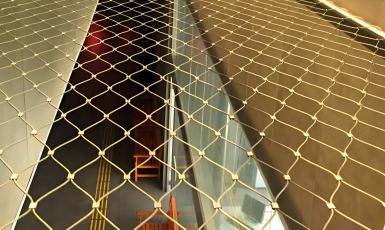
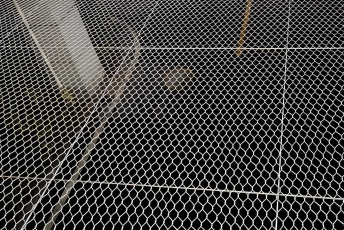
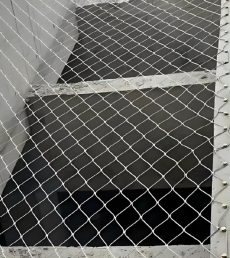
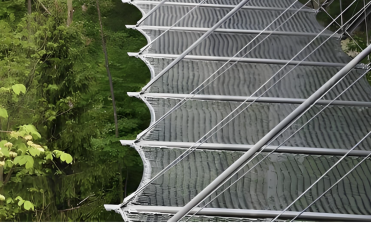
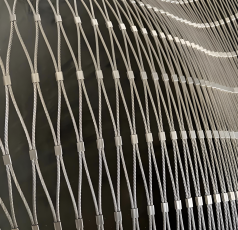
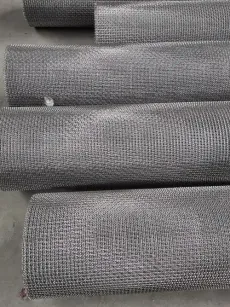
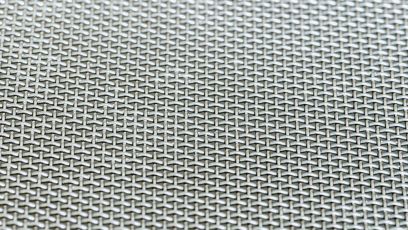
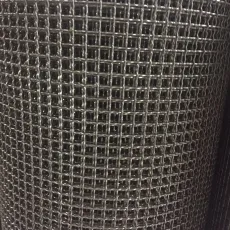
Crafted from 316L medical-grade stainless steel, this screen mesh complies with USP Class VI standards, ensuring it is safe for direct contact with drugs and biological materials. The electropolishing treatment creates an ultra-smooth surface with Ra ≤0.2μm, eliminating burrs and dead corners to prevent drug residue buildup and simplify sterilization processes. With mesh counts from 200 to 500 mesh, it provides precise filtration precision from 25μm to 74μm, meeting the strict requirements of drug formulation and biotech research. Its cleanliness reaches ISO 14644-1 Class 5, making it suitable for Class 100 cleanroom operations. The mesh can withstand autoclave sterilization at 121℃ without deformation, and its sterile vacuum packaging ensures no contamination during transportation and storage. Customizable cutting options allow for tailored sizes to fit small-scale laboratory equipment or large-scale production lines, solving pain points like drug contamination, inconsistent filtration precision, and non-compliance with GMP standards.
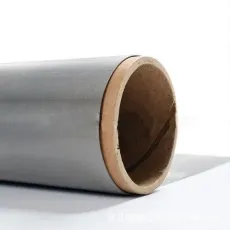
This pharmaceutical screen mesh offers precise technical specifications to meet strict medical filtration needs. Mesh counts range from 200 mesh (74μm aperture) to 500 mesh (25μm aperture), with corresponding wire diameters from 0.1mm to 0.03mm to maintain structural integrity. Made from ASTM F138-certified 316L medical-grade stainless steel, it has a tensile strength of ≥550MPa and a yield strength of ≥205MPa. The temperature resistance range spans from -196℃ (cryogenic storage) to 1000℃ (high-temperature sterilization), supporting diverse pharmaceutical processing scenarios. Filtration precision is consistently within ±2μm of the specified aperture, ensuring reliable separation of drug particles. Standard widths include 0.5m, 1m, with customizable lengths from 1m to 10m. The surface roughness is Ra ≤0.2μm, and each roll or cut piece is packaged in sterile vacuum-sealed bags to meet cleanroom requirements.
This ultra-fine pharmaceutical screen mesh is widely used in GMP-certified pharmaceutical plants for drug powder sieving, capsule filling material filtration, and injection terminal filtration. In biotech research, it serves cell separation, microbial culture filtration, and vaccine production processes. It is also suitable for high-end cosmetic manufacturing for raw material filtration to ensure product purity. The mesh can be integrated into tablet presses, capsule filling machines, and laboratory filtration devices, providing precise, sterile filtration to meet regulatory requirements. Its ability to withstand autoclave sterilization makes it ideal for repeated use in cleanroom environments, reducing waste and operational costs. Additionally, it is used in herbal medicine extraction filtration to ensure the purity of herbal extracts, meeting both traditional medicine and modern pharmaceutical quality standards.








 Post RFQ


 Chat
Chat


 ALL CATEGORIES