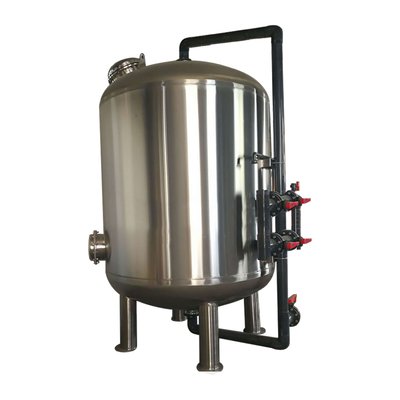


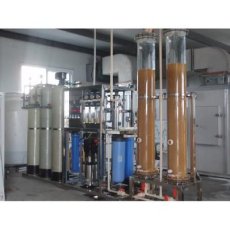
The superior performance of the activated carbon filter stems from its packed Granular Activated Carbon(GAC).Activated carbon possesses an extremely developed internal pore structure and a vast specific surface area(often exceeding 1000 m²/g),which enables powerful physical adsorption of organic matter,color,and odor from water.Its unique capability lies in also effectively removing residual chlorine and chloramines through chemisorption and catalytic action,which is crucial for protecting downstream oxidation-sensitive Reverse Osmosis membranes and ion exchange resins.The filter is typically equipped with a backwash function to remove suspended particles trapped within the carbon bed,preventing channeling and compaction.For certain applications,advanced models may feature thermal regeneration systems to restore the carbon's adsorption capacity.The effluent water is clear with a low Silt Density Index(SDI),significantly enhancing the stability of subsequent treatment processes.
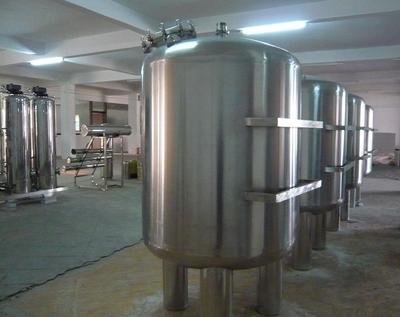
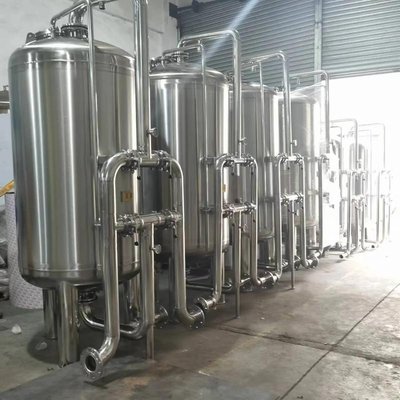
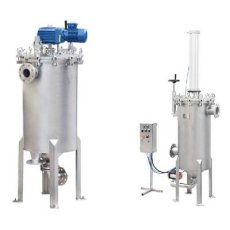
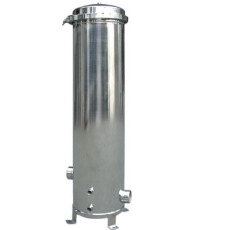
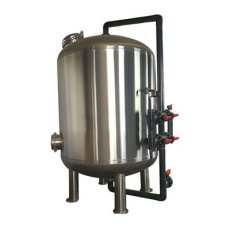
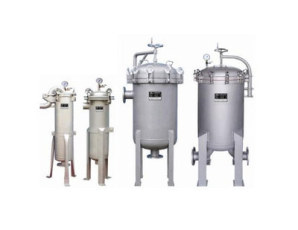
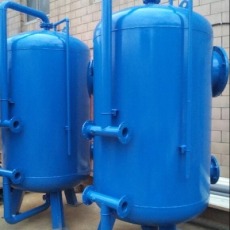
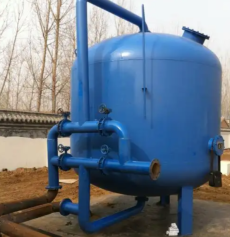
The equipment vessel is primarily constructed from carbon steel rubber-lined,stainless steel,or FRP.The quantity of activated carbon fill depends on the treatment flow rate and water quality,ranging from several hundred kilograms to several tons.The design Empty Bed Contact Time(EBCT)is typically between 5 to 15 minutes,corresponding to a flow velocity of approximately 10-15 m³/h.To ensure proper carbon wetting and uniform water distribution,the vessel is equipped with upper and lower water distributors(often made of stainless steel or ABS).Equipment accessories typically include sight glasses(for observing the carbon bed and backwash status),sample valves,and pressure gauges.During backwashing,the flow rate must be controlled to achieve a bed expansion rate of 30%-50%for effective cleaning.
This filter is a standard pretreatment unit in pure and ultrapure water systems,primarily used to remove residual chlorine and soluble organic matter from tap water or groundwater,providing protection for Reverse Osmosis membranes and Electrodeionization(EDI)units.In the food and beverage industry,it is used for decolorization,deodorization,and taste improvement of process water.The chemical and pharmaceutical industries utilize it for pretreatment in pure water preparation to ensure water quality meets production standards.Furthermore,it is applied to address organic contamination and odor issues in groundwater,as well as in swimming pool and water park treatment systems to control chloramine levels and improve water comfort.







 Post RFQ


 Chat
Chat


 ALL CATEGORIES