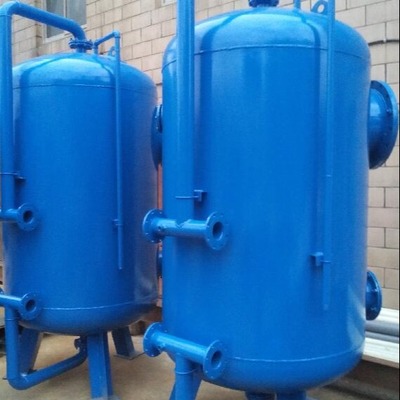
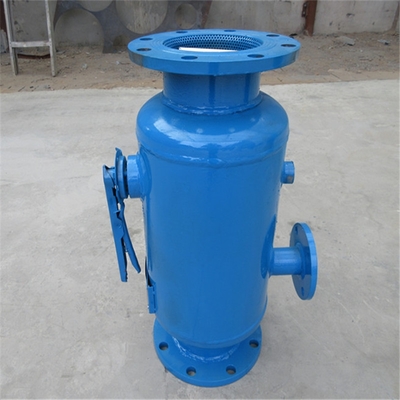


The core feature is its deep, graded filtration capability. The composite bed of media with varying densities and sizes offers high dirt-holding capacity and long filtration cycles. Its backwashing function, using water or air-scour, effectively restores media performance with relatively low operational costs. The robust design allows flexible media selection (e.g., activated carbon for chlorine, manganese greensand for iron/manganese) based on raw water quality. Automatic models enable fully automated operation and backwash via timer or differential pressure triggers, minimizing manual intervention.
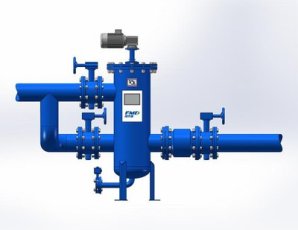
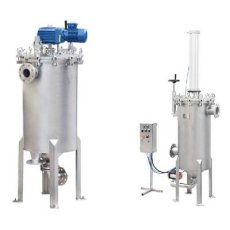
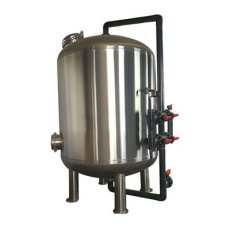
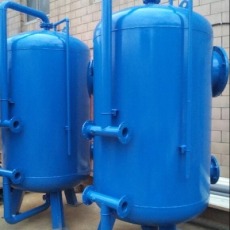
Standard design follows ASME or GB pressure vessel codes. Single-vessel capacity ranges from 1 to hundreds of cubic meters per hour. The total media bed height is typically 1.0-1.2m, with anthracite (~0.4m) and quartz sand (~0.5m) layers. Backwashing requires high intensity: water wash ~12-15 L/(s·m²), air scour ~15-20 L/(s·m²). The system includes the vessel, valve manifold, piping, control panel, and optional air compressor. A differential pressure rise of 0.05MPa is often used as the backwash trigger point.
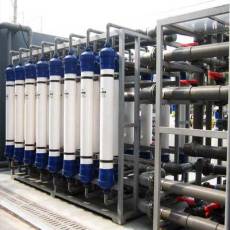
Widely used for industrial water pretreatment in power, chemical, steel, and electronics industries. Particularly suitable for primary purification of surface water (rivers, lakes) to remove turbidity and suspended solids; as a pretreatment unit for boiler feedwater; as side-stream filtration in cooling water systems to reduce turbidity; and for providing qualified feedwater to membrane systems (UF, RO), ensuring their stable operation and extended lifespan.







 Post RFQ


 Chat
Chat


 ALL CATEGORIES