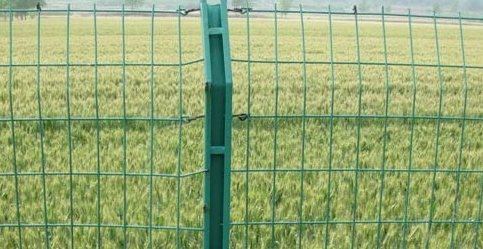
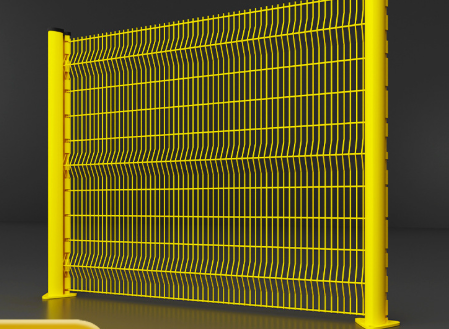





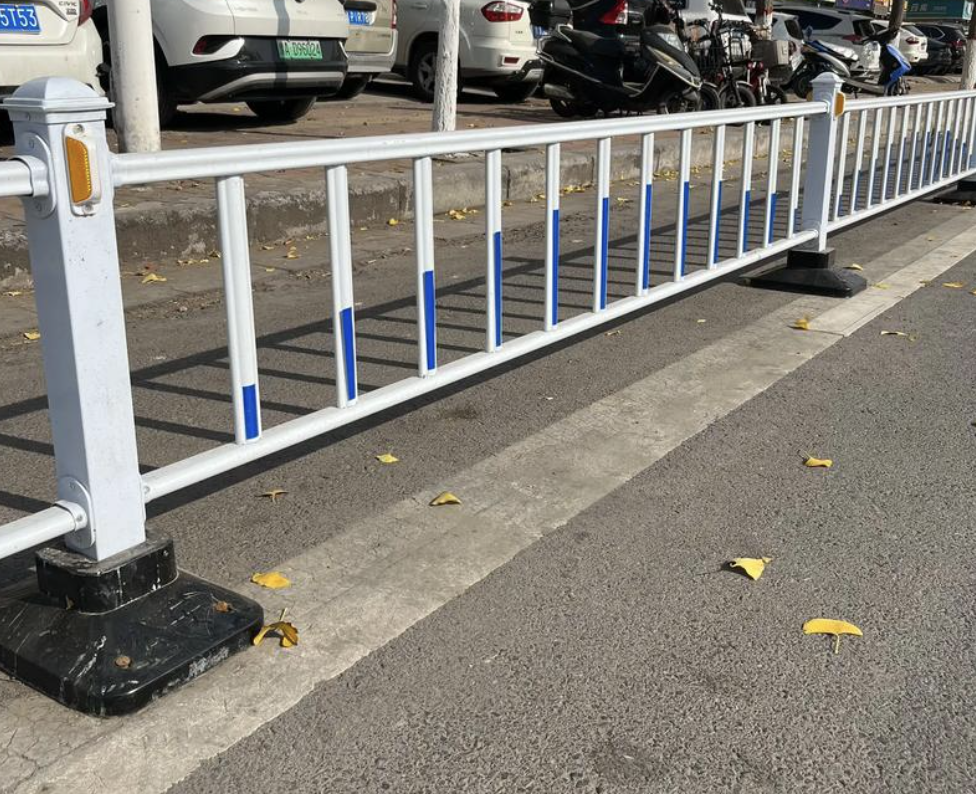
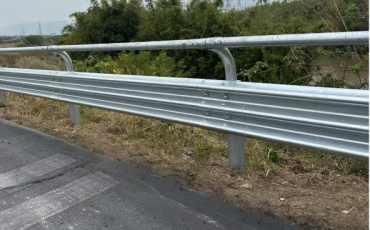
The C-beam corrugated structure of this rural guardrail offers a simple, lightweight design that is easy to transport and install in remote rural areas with limited construction equipment. The electro-galvanized coating provides basic corrosion resistance for over 10 years, which is sufficient for rural environments with low traffic volume and minimal exposure to road salt or industrial pollutants. The clip connection system eliminates the need for specialized tools, allowing local construction teams to install the guardrail quickly without extensive training. Unlike heavy highway barriers, its lightweight design reduces transportation costs by 40% and minimizes soil disturbance during installation, preserving agricultural land and natural landscapes. Additionally, it uses universal components that are readily available in local hardware stores, making maintenance and replacement affordable for rural communities. This guardrail directly addresses the pain points of rural road safety, including limited construction budgets, remote installation locations, and lack of specialized maintenance resources.
The C-beam panels measure 4000mm in length, 250mm in width, and 2.0mm in thickness, providing sufficient strength for rural road traffic volumes. Steel posts have a diameter of 114mm and a wall thickness of 3.0mm, with a standard buried depth of 500mm to ensure stability in rural soil conditions. The electro-galvanized coating complies with GB/T 13912 standards, with a zinc adhesion strength of ≥30N/cm. The maximum impact resistance load is 40kN, which is sufficient to stop a 1.2-ton passenger vehicle traveling at 60km/h. Connection clips are made of Q235 steel with electro-galvanizing, ensuring secure attachment between panels and posts. The guardrail’s total height is 700mm, with 500mm of visible height above the road surface to provide effective roadside protection. All components are pre-cut and pre-drilled in factories, reducing on-site cutting and drilling time by 60%.
This guardrail is widely used in rural county roads, village access roads, mountainous agricultural roads, and forestry access routes to prevent vehicles from running off the road into ditches, fields, or wooded areas. It is also suitable for rural bridge approaches, riverbank roads, and farm field boundaries to protect agricultural land and natural resources. Target industries include rural infrastructure construction, agricultural development, and forestry management, with key clients being township governments, rural construction cooperatives, and forestry bureaus. In addition, it can be installed in temporary rural construction zones, such as agricultural equipment access routes or rural festival venues, to provide temporary safety barriers. For remote rural areas with limited maintenance resources, it can be paired with simple reflective markers to enhance nighttime visibility without requiring complex power supplies.












 Post RFQ


 Chat
Chat


 ALL CATEGORIES