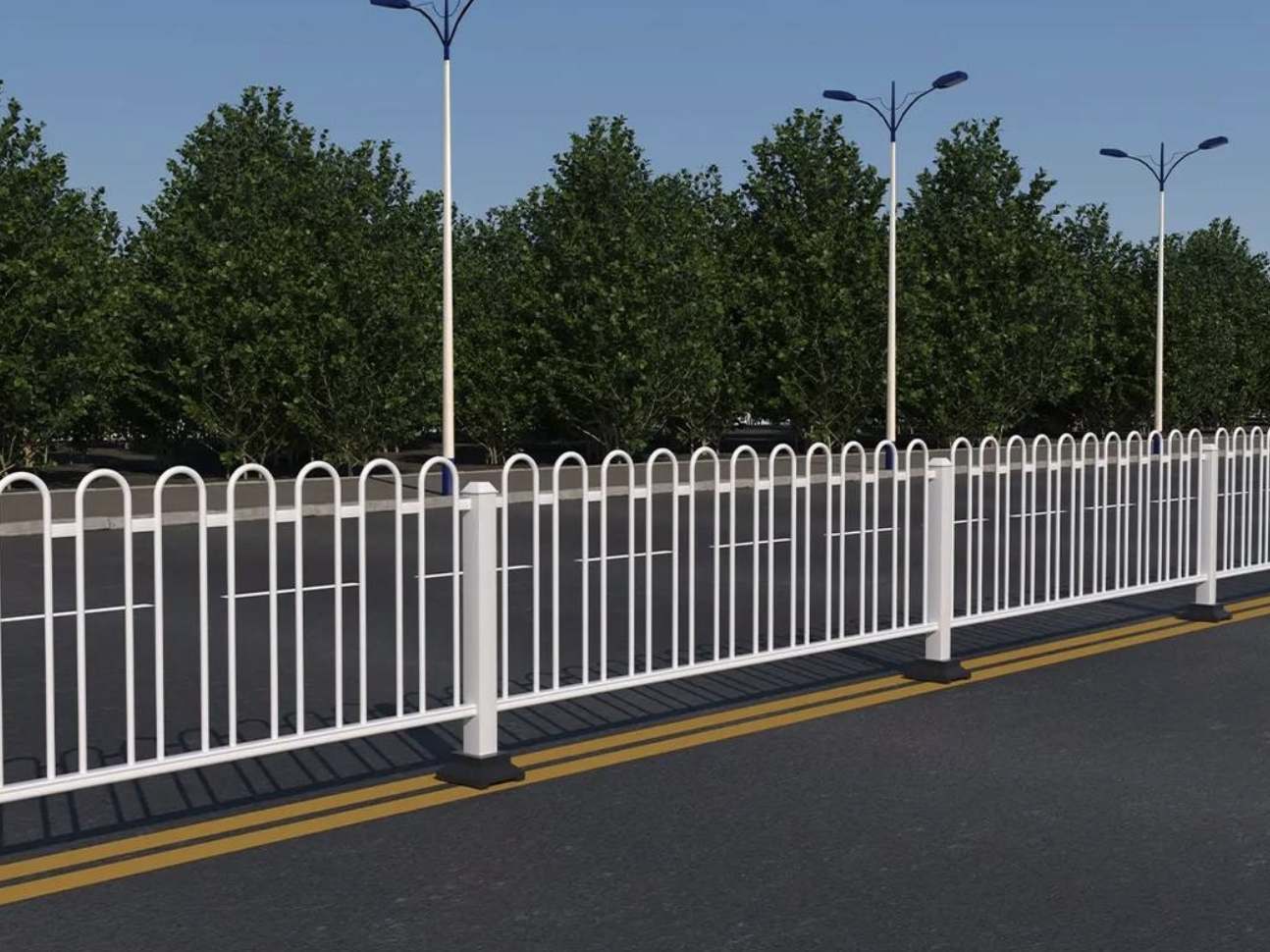
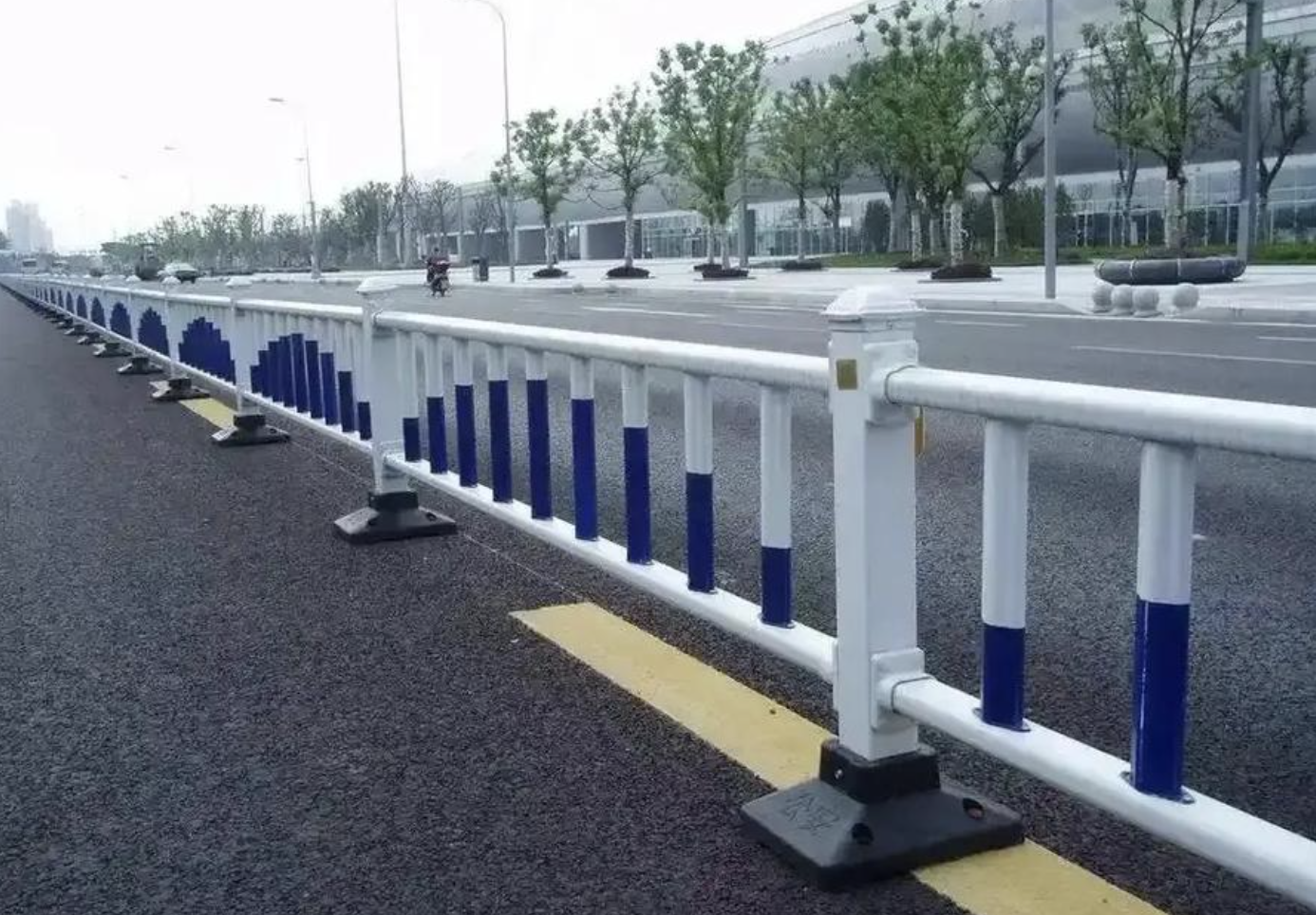





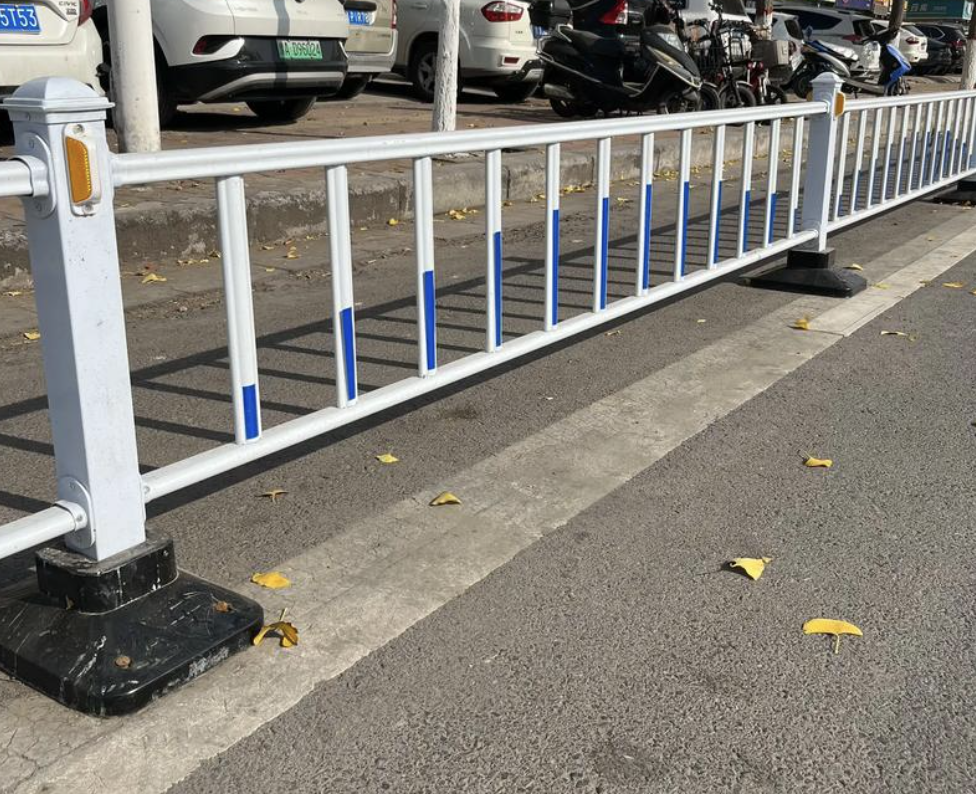
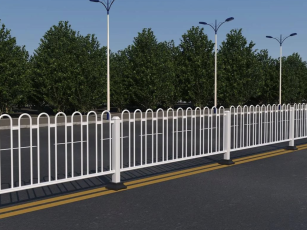
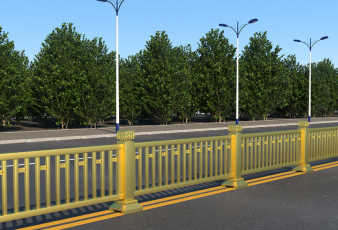
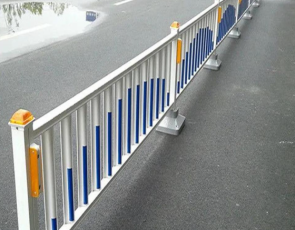
The Urban Zinc-Steel Municipal Guardrail stands out with its high-strength zinc-aluminum alloy steel construction, which offers 50% better corrosion resistance than traditional carbon steel guardrails, making it ideal for humid coastal cities and industrial urban areas. The vertical bar design with cross braces prevents pedestrians from climbing over, effectively solving the problem of unauthorized road crossings that cause traffic jams and accidents. Its electrostatic spraying treatment provides a smooth, scratch-resistant finish available in a variety of colors, including municipal gray, traffic blue, and green, allowing it to blend with or highlight urban architectural styles. The flange base mounting system enables quick installation and adjustment, eliminating the need for deep excavation and reducing construction time by 40% compared to embedded guardrails. Passing GB 5768-2009 Level 2 impact tests, it can withstand collisions from 5-ton vehicles traveling at 60km/h, protecting both motorists and pedestrians in dense urban traffic scenarios.
Crafted with precision to meet urban infrastructure standards, the Urban Zinc-Steel Municipal Guardrail features vertical bars made of 40mm diameter zinc-aluminum alloy steel with a wall thickness of 2.0mm, spaced 100mm apart to prevent climbing. Cross braces are 60mm diameter steel tubes with a wall thickness of 2.5mm, providing additional structural stability. The main panel measures 1100mm in height and 2000mm in width per section, with a total weight of 28kg per meter for optimal durability. The zinc-aluminum coating meets GB/T 18226 standards with a minimum thickness of 80μm, while the electrostatic spray coating is 70μm thick, ensuring excellent resistance to UV radiation and chemical corrosion. Supporting flanges are 200*200*10mm steel plates, fixed to the ground with M16 expansion bolts. The guardrail operates reliably in temperatures ranging from -30℃ to 70℃, with a maximum impact resistance capacity of 60kN, and is certified under CE for compliance with EU safety regulations.
This guardrail is widely used in urban transportation and public space management scenarios, including downtown main roads, central lane separators, non-motorized vehicle lanes, pedestrian sidewalks, and school or hospital surrounding roads. It is particularly effective in busy commercial districts, where it separates pedestrian flow from vehicle traffic, reducing the risk of accidents and improving pedestrian safety. In residential areas, it can be used to separate community roads from sidewalks, preventing unauthorized vehicle access and ensuring the safety of children and elderly residents. Additionally, it is suitable for use in temporary event zones, such as city festivals or sports events, to guide crowds and maintain order. Its customizable color options allow it to match urban landscaping, making it a popular choice for city beautification projects. For coastal cities, its superior corrosion resistance prevents rust caused by salt air, ensuring long-term performance in harsh marine environments.









 Post RFQ


 Chat
Chat


 ALL CATEGORIES